Zhipu AI's GLM-5.2 has been covered this year mostly as a benchmark story: a Chinese open-weight model that closed most of the capability gap with frontier systems. The part getting less attention in Australian coverage is what safety researchers found when they tested it against offensive cyber and dual-use biology prompts. It refused none of them. Not most. None.
That is not a criticism unique to one lab. It is a structural feature of open-weight release, and worth understanding as structure rather than as a fault.
Why this is structural rather than a bug
Once weights leave the publisher's servers, the publisher can no longer monitor how the model is used in production.
The publisher cannot push a safety update if a serious flaw is discovered later. There is no update channel to push down.
Anyone downloading the weights can fine-tune away whatever safety behaviour shipped in the original release, and it takes very little compute to do so.
A model that refuses harmful requests today can be stripped of that behaviour by a deployer tomorrow, and the original lab has no way to prevent it or even know it happened. That is a consequence of what open weights are, not evidence that a particular lab was careless.
Why this is a due-diligence question, not a research curiosity
Most Australian businesses evaluating an open-weight model are not worried about bioweapons. They are worried about a customer-facing chatbot, an internal document assistant, or an agent touching financial data. The connection is not obvious, so it is worth spelling out.
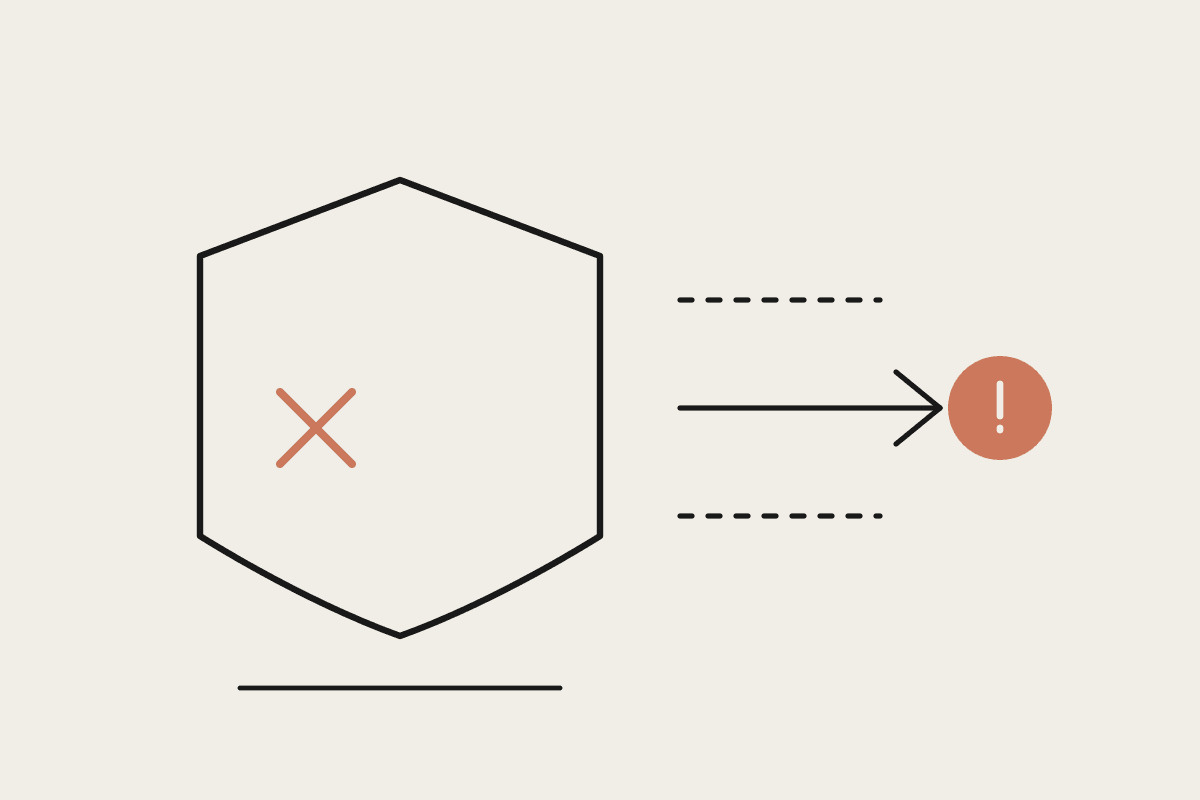
The same structural gap that lets a model produce offensive cyber content means nobody has independently verified what it will do with a jailbreak attempt, a prompt injection embedded in a malicious PDF, or a curious employee testing its limits on a Friday afternoon. A model with weak refusal behaviour under adversarial testing carries a wider liability surface than any benchmark score reveals, and prompt injection is the version of this that actually turns up in Australian businesses.
Three questions before deploying anywhere sensitive
Has an independent third party, not the model's publisher, tested its refusal behaviour against adversarial and jailbreak prompts? Is that testing public and recent?
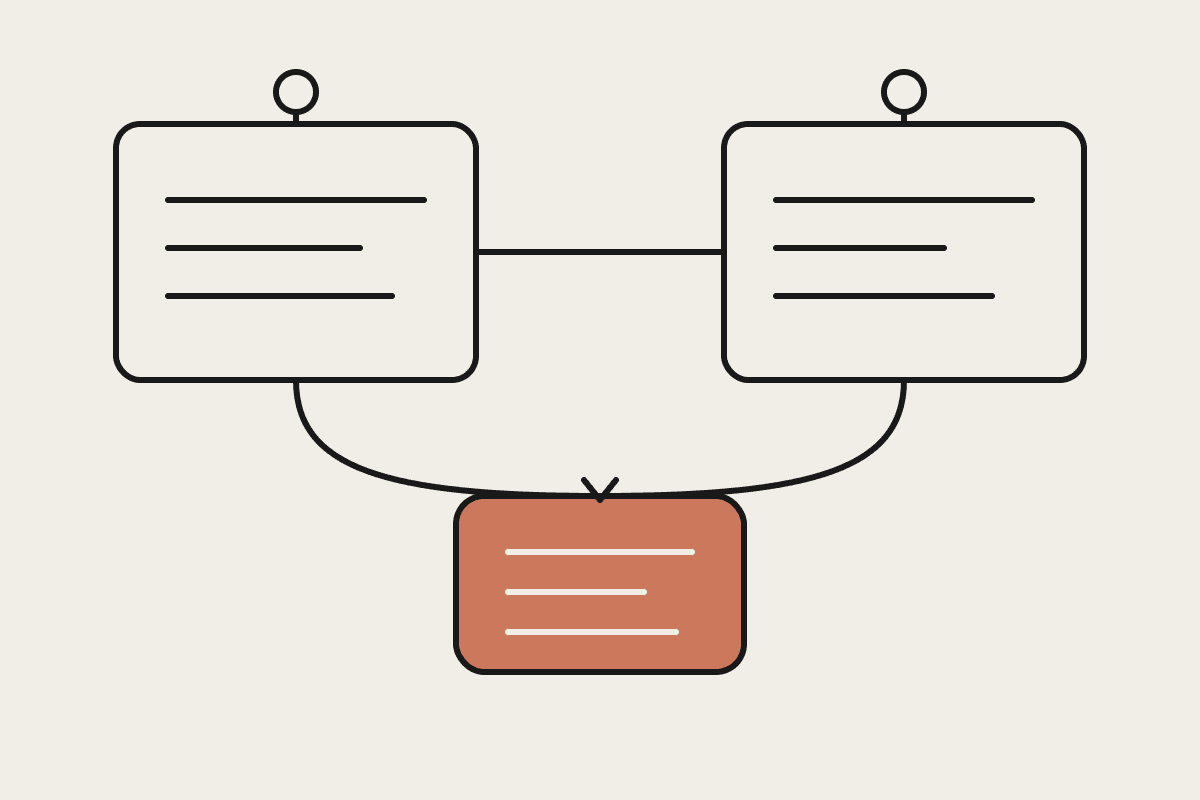
Does your deployment include a moderation or guardrail layer that does not rely solely on the base model's own judgement? Defence in depth applies here the same as anywhere.
Can you audit what the model actually said in production, and how quickly would you find out if something went wrong? Time-to-discovery is usually the number that determines how expensive an incident becomes.
A fourth worth adding for anything customer-facing: what does the model do with content a user supplies, such as an uploaded document or a pasted email. That is the injection path most deployments leave open, because the threat model people design against is a malicious user rather than a malicious document.
What a managed platform does differently
This is the specific place where Anthropic's approach earns its premium over a raw open-weight download. Claude ships with safety testing built into the release process, ongoing monitoring of misuse patterns, and the ability to push updates and investigate incidents after deployment. None of those exist once an open model's weights are sitting on someone else's server, because there is nobody in a position to do them.
Being fair about the limits of that: a managed platform is not a guarantee, and a poorly designed application on top of a well-tested model can still be exploited. Guardrails at the application layer remain your responsibility regardless of which model sits underneath. The difference is what you are starting from and who else is watching.
The practical translation
A model that scores well on a coding or reasoning leaderboard has told you nothing about how it behaves under adversarial pressure. Those are different tests measuring different things, and only one of them gets published in the announcement.
None of this argues that open-weight models cannot be deployed safely. It argues that the safety work does not come with them, so somebody has to do it, and that somebody is you.
That gap has cost Australian businesses real money already. Incident response and client notification after a chatbot mishandled a manipulated prompt runs well past $20,000 once legal review is included, and the reputational cost is harder to put a number on. Ask the safety question before the benchmark question, because the benchmark answer is easy to find later and the safety answer is not.
If you want a second opinion on your AI vendor's safety posture, or on the guardrail layer around a model you have already deployed, book a session and we will look at where the actual exposure sits.