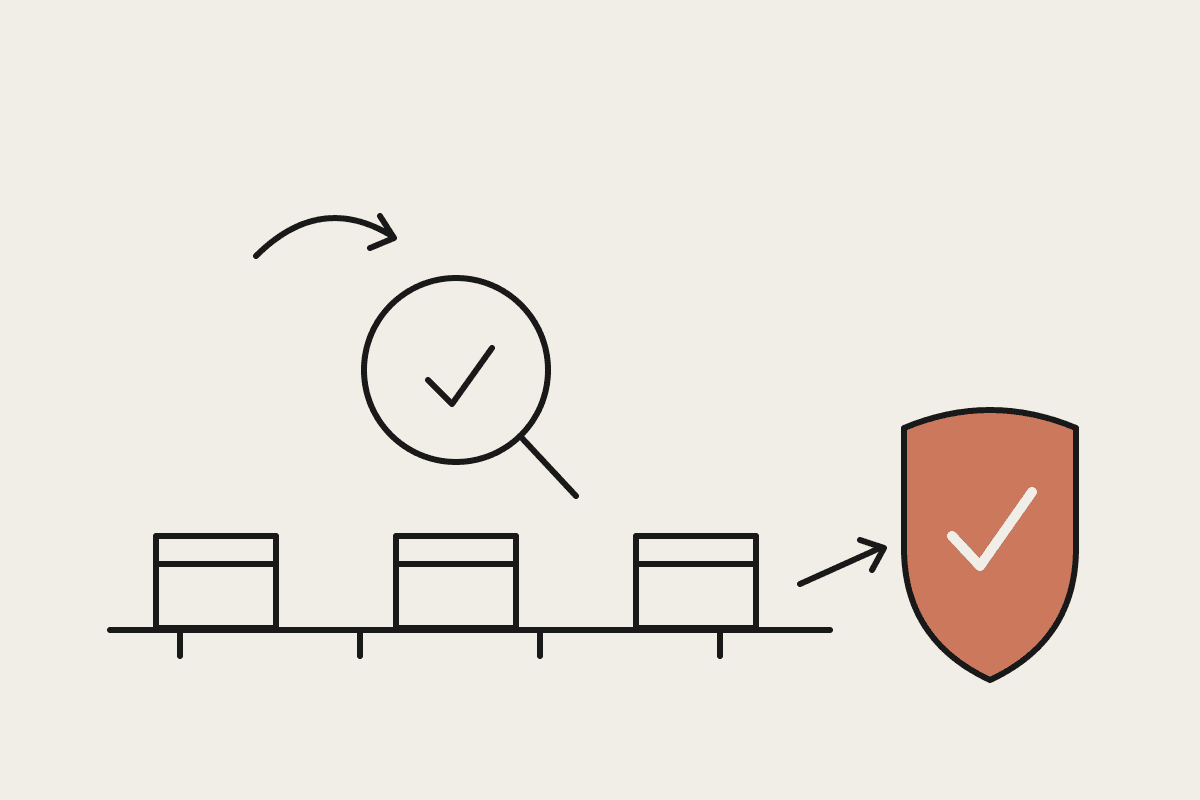
The loudest story in this year's AI price war is the token rate. The quieter one, and the one that actually decides your monthly bill, is caching. When a model has already processed a block of context, a cache hit lets it reuse that work for a fraction of a US cent instead of charging you full price to read the same words again. Claude's prompt caching runs on this principle, cutting the cost of repeated context by up to 90 per cent and returning answers faster at the same time.
For an Australian business running high-volume workloads, caching often matters more than which model sits underneath. Get it right and a workload that looked too expensive to run at scale becomes routine. Get it wrong and you pay full freight for the same paragraphs thousands of times a day.
Why repeated context dominates your bill
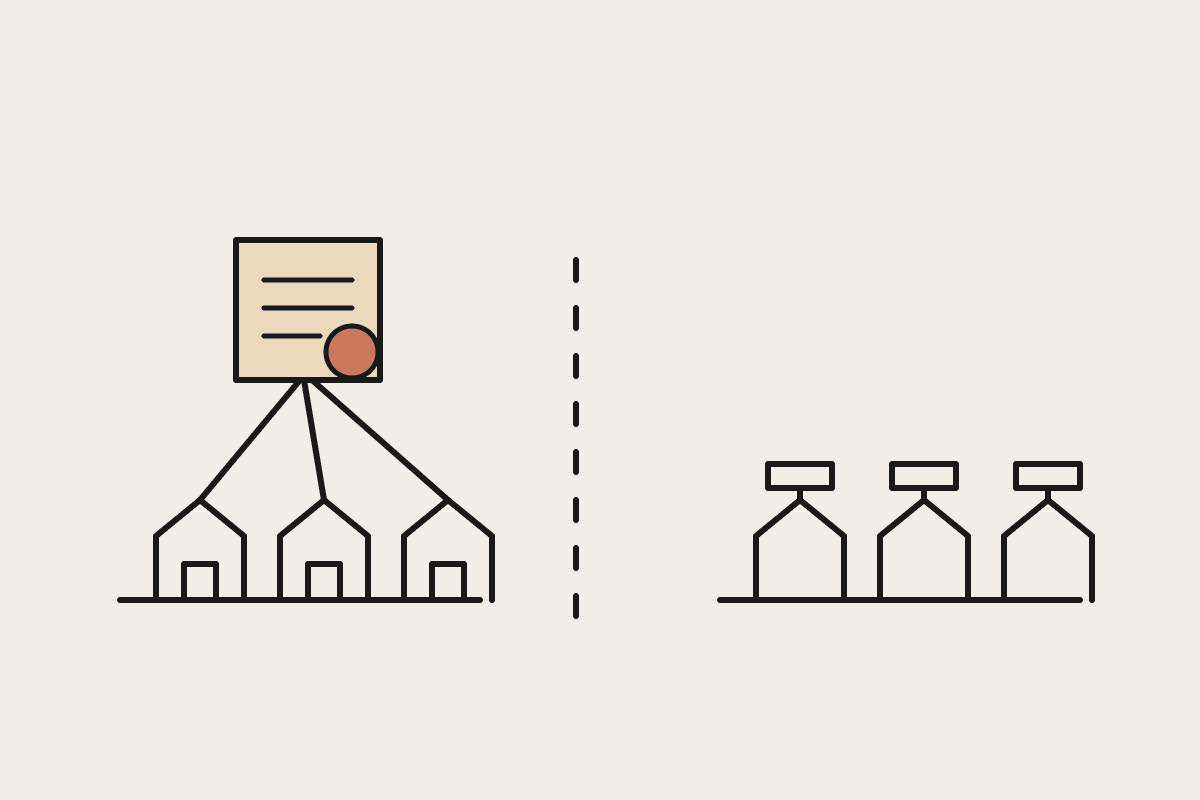
Most production AI workloads send the same material over and over. The prompt is rarely a short question. It is a long, stable block of instructions, reference data and examples, with a small dynamic part at the end that changes per request.
A support assistant resends the same product manual and tone guide with every ticket
A document-review workflow resends the same checklist for every contract it examines
An agent resends its tool definitions and system instructions on every step of every task
In a typical support deployment, 80 to 90 per cent of input tokens are identical from one call to the next. Without caching you pay full price for every repeat. With caching you pay once to write that context to the cache, then a small fraction for each replay.
A worked example in Australian dollars
Take a Brisbane wholesaler running 2,000 AI-handled enquiries a day, each carrying about 15,000 tokens of fixed context in catalogue extracts, returns policies and answer instructions.
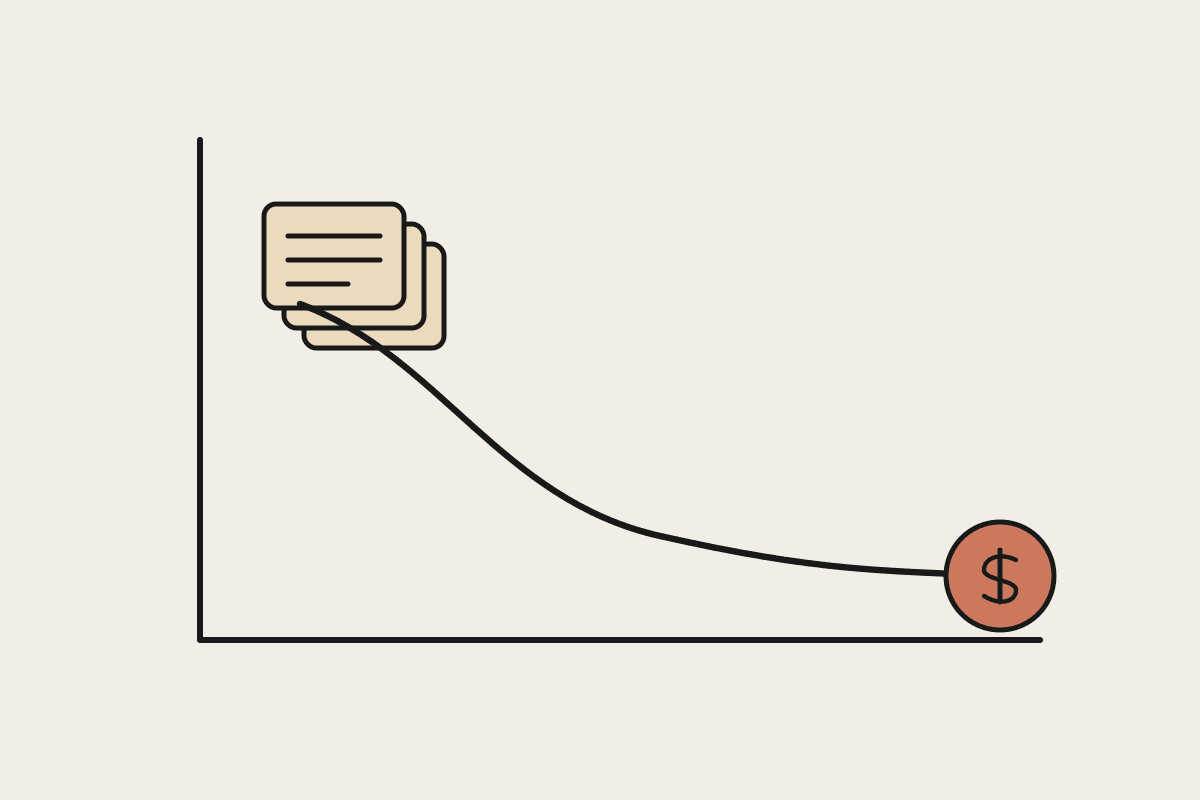
Uncached, that is roughly 30 million input tokens a day at full rate, landing near $4,500 a month on a mid-priced model
With cache writes and hits priced properly, the same workload falls to around $900 a month
Double the enquiries and the gap roughly doubles, because the fixed context is the part being replayed
Exact figures vary by model, provider and traffic pattern, and output tokens still cost full price. The shape of the saving holds across Claude and the open-weight APIs alike. A workload that costs about $54,000 a year uncached can sit closer to $11,000 with a caching design that suits the traffic. For a growing operation, that difference is the line between a pilot that gets shelved and one that ships.
Getting the architecture right
Caching rewards deliberate prompt design rather than a switch you flip at the end. Three things decide whether the savings actually show up in your invoice.
Put static context in a stable prefix
A cache hit only happens when the start of the prompt matches exactly. Fixed instructions, reference documents and examples belong at the front, in an order that never changes. Anything that varies per request, like the customer's actual question, goes at the end. One stray timestamp near the top can quietly break every hit.
Match cache lifetime to traffic
A cache entry lives for a set window. If your enquiries arrive in a steady stream through the business day, the cache stays warm and almost every call is a hit. If traffic is sparse and bursty, entries expire between calls and you pay to write the cache more often than you read it. The pattern of your traffic, not just its volume, sets the real saving.
Trim the prompt while you are in there
A caching review is a good moment to ask what belongs in the prompt at all. Some fixed context is better moved into retrieval or a tool call the model reaches for only when it is needed. Shrinking the prompt cuts both the cache-write cost and the per-call floor, so the review often pays twice.
What this means before you build
Retrofitting caching into a workflow built without it usually takes a day or two of engineering, and at most volumes it pays for itself inside the first month. The more valuable move is to design for it up front. If you are sizing a high-volume workload, model the caching economics before a line of production code is written, because they can change the answer on whether the project is worth doing at all.
There is an Australian governance angle worth naming too. Sensitive context, like customer records covered by the Privacy Act, does not have to sit in a permanent prompt to be available to the model. A caching review often tightens what data is exposed on every single call, which is good for cost and good for compliance at the same time.
We design Claude workloads cache-first as standard in our setup engagements. If your AI bill is creeping up, or you want the numbers done properly before you commit to a build, book a free brainstorm.