Alibaba extended the Qwen3.8 family down to a 27-billion-parameter dense model on 14 August 2026. It continues a line that includes Qwen3.6-27B, which already scores 77.2% on SWE-bench Pro in a package small enough to run on a single high-end GPU rather than a multi-accelerator cluster. Dense models in the 20 to 30 billion parameter band have quietly become the class where small enough to self-host affordably and capable enough to be useful actually overlap.
Which makes this the size worth doing real arithmetic on, because for once the arithmetic is not obviously hopeless.
Why the 27B class is the one to watch
The headline open-weight models are not a realistic self-hosting proposition for most Australian mid-market businesses. Kimi K3 at 2.8 trillion parameters, DeepSeek V4-Pro, GLM-5.2: serving any of these properly needs infrastructure that a 40-person business is never going to build, which pushes the real decision back to a managed API regardless of how the weights are licensed. Free weights you cannot run are not free.
A 27B dense model is a different proposition. One high-end GPU, one inference server, no distributed serving, no exotic sharding. It is genuinely within reach of a business that wants to self-host without hiring a dedicated machine learning infrastructure team. That does not automatically make it the right call, but it makes it a real option rather than a theoretical one.
What it actually costs to run
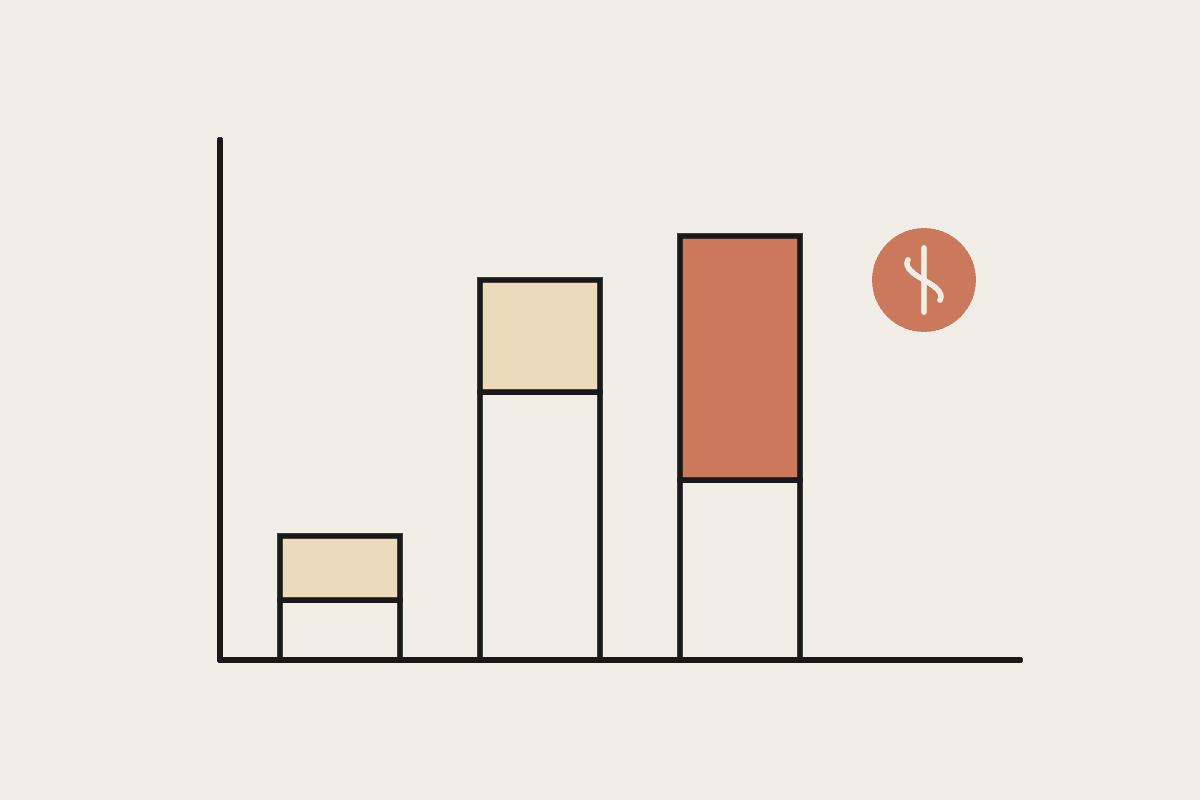
Cloud GPU rental for a model this size runs roughly $400 to $900 a month on a mid-tier instance, depending on utilisation and whether you need it available around the clock or only during business hours.
An owned on-premise GPU capable of serving a 27B model comfortably costs $9,000 to $14,000 upfront. That amortises to a lower monthly figure across three years, but the capital goes out the door on day one.
Maintenance labour adds roughly $1,300 to $4,000 a month for a properly maintained deployment: patching, monitoring, model updates, and the person who gets paged when inference stops at 4pm on a Friday.
Add power, cooling and rack costs for on-premise, which are small but not zero, and the total moves well past the sticker price of free weights.
The labour line is the one most self-hosting calculators leave out, and it is usually the largest recurring number in the stack. A GPU is a purchase. A maintained inference service is a job.
Against a Claude API bill
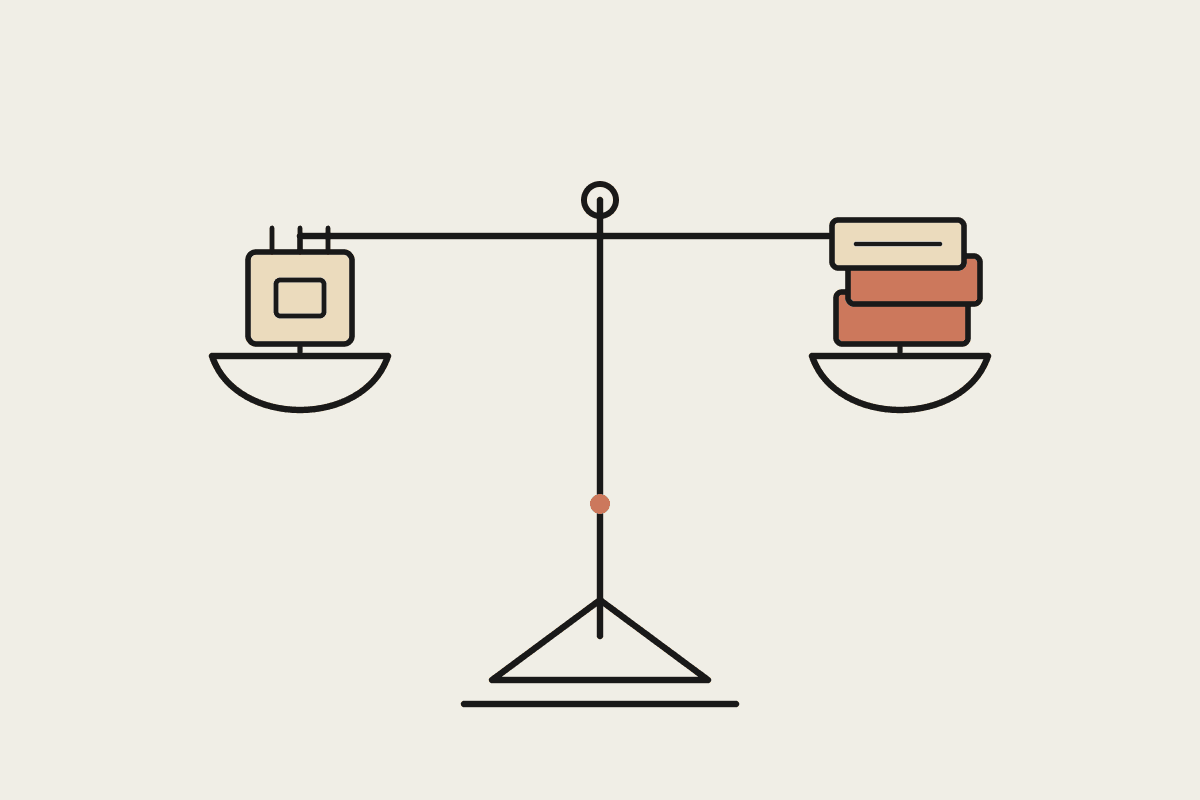
For a business processing moderate, steady volume, the same workload on Claude's API typically costs less in total once the labour and infrastructure above are included. The break-even most honest analyses land on sits somewhere around several hundred thousand tokens a day, sustained. Below that, the managed API wins on total cost and wins comfortably. Above it, self-hosting starts to make sense, and the further above it you go the more sense it makes.
The trap is that businesses estimate their volume from peak days rather than average ones. A workload that hits 400,000 tokens on the busiest Tuesday of the month and 60,000 tokens on a normal day is not a self-hosting workload, because you pay for the GPU on the quiet days too. Managed pricing flexes with the quiet days. Owned hardware does not.
Where a self-hosted 27B model genuinely wins
Consistent, high-volume internal workloads rather than spiky or seasonal demand. Document processing pipelines and batch classification fit; customer-facing chat usually does not.
Teams that already have engineering capacity to maintain it as a byproduct of other infrastructure work, so the labour cost is marginal rather than new.
Use cases where data residency is a hard contractual requirement rather than a preference, which does happen in Australian government and health work.
Workloads where latency to an offshore API is a genuine problem, which is rarer than people assume but real for some interactive tooling.
Run the numbers on your own volume first
Before committing capital to hardware for a 27B model, pull your actual token volume for the last 90 days, not your projected volume. Split it into average and peak. Then price all four cost lines above against a managed API bill for the same throughput, and include the labour honestly, at what your engineers actually cost rather than what you wish they cost.
We have seen Australian businesses spend $12,000 on a GPU to save money on a workload that would have cost about $3,000 a year on a managed API. The hardware was not wasted exactly, it does other work now, but the business case that justified it did not survive contact with the real numbers. That is a comfortable mistake to make on paper and an expensive one to make in procurement.
If your team is weighing a self-hosted open-weight model against a managed API, the useful exercise is running both against your real 90-day volume before anyone raises a purchase order. Automata AI does this as a short fixed-scope costing engagement for Sydney and Melbourne businesses, book a session and we will tell you honestly if the API is the cheaper answer.