The first time someone on your team writes a genuinely good prompt for a recurring task, the natural instinct is to move on once it's worked. The better instinct is to save it properly, because a good prompt used once by one person is worth far less than the same prompt turned into a reusable brief the whole team can pull from every time that task comes up.
What separates a reusable brief from a one-off prompt
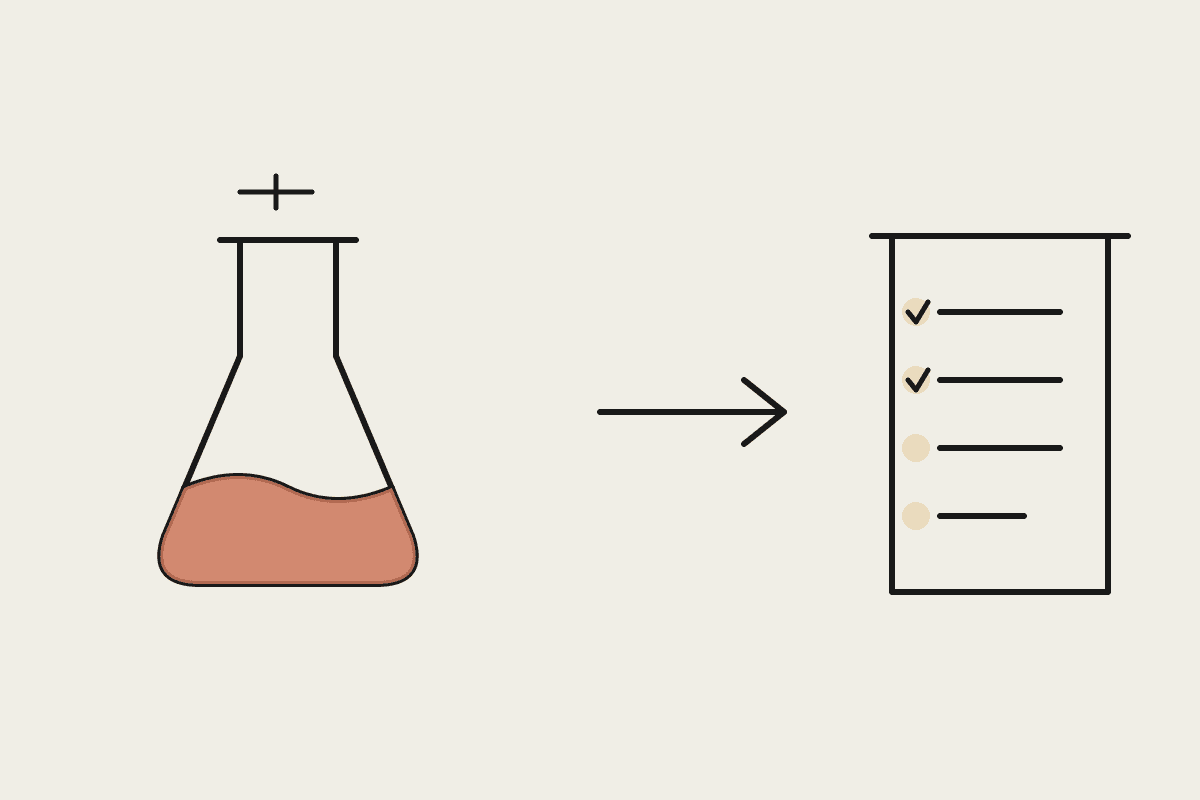
A one-off prompt is written for a specific instance, this client, this document, right now. A reusable brief generalises the pattern, the goal, the format, the constraints, the examples of good output, while leaving clear placeholders for whatever changes each time it's used. The difference is roughly the same as the gap between a single well-written email and a proper email template, one solves today's problem, the other solves the recurring version of it.
Identify the pattern: what part of this prompt would stay the same next time, versus what changes
Generalise the constant parts into a template with clear placeholders for the variable parts
Include one or two real examples of good output alongside the template itself
Save it somewhere the whole team can find and reuse it, not in one person's chat history
Where to actually save it
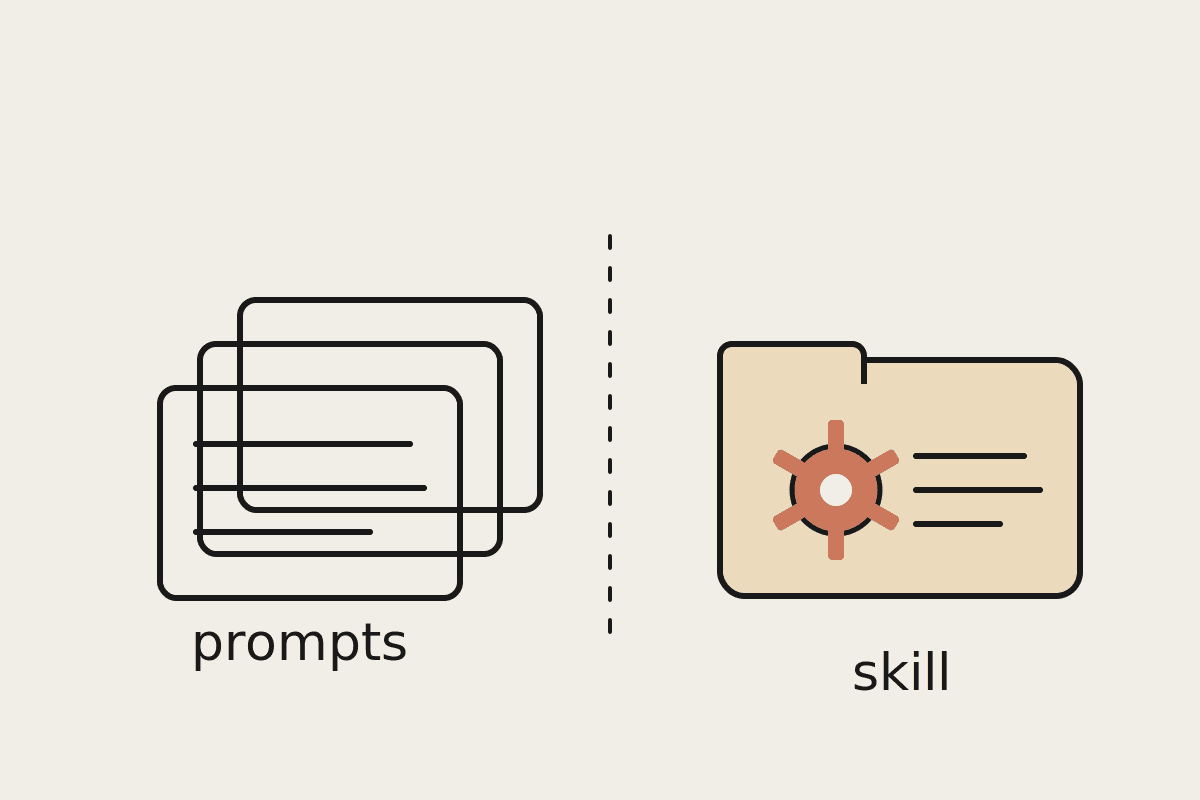
For a small team, a shared document or a Notion page with a clearly labelled library of reusable briefs works fine to start. For anything used often enough to matter, turning the brief into a Claude skill, a formal, structured version that Claude recognises and follows automatically when triggered, is a natural next step, since it removes even the small friction of finding and pasting the brief manually each time.
A Brisbane recruitment agency's actual library
A twelve-person Brisbane recruitment agency started saving every genuinely good prompt a consultant developed for candidate-screening summaries, client update emails, and job ad drafts into a shared library, growing to eleven reusable briefs over four months. New consultants now pull from the library on day one rather than developing their own version of each prompt from scratch, cutting the typical ramp-up time for producing consistent, on-brand client communications from roughly three weeks to under one, a saving the operations manager estimated at $650 per new hire in reduced supervision time.
Keeping the library actually useful
The gap between a brief and a full skill
A saved brief in a shared document still requires someone to remember it exists and manually copy it into a conversation. A Claude skill goes a step further, triggering automatically when Claude recognises the relevant task, removing that manual step entirely. Not every brief needs to become a formal skill, the conversion effort is worth it once a brief is used often enough, roughly weekly or more, that the manual copy-paste step has become a genuine, noticeable friction point rather than a trivial one.
For less frequent briefs, a well-organised shared document remains perfectly adequate, and converting everything into a formal skill regardless of use frequency just adds unnecessary maintenance overhead for marginal benefit. Match the format to how often the brief actually gets used, not to what feels more sophisticated.
Start small. A library of three or four genuinely well-tested briefs, actually used weekly, beats a library of thirty briefs nobody trusts or remembers exist. Quality and actual usage matter more than the size of the collection, and that's worth keeping in mind as the temptation grows to save every prompt that ever worked once rather than only the ones proven useful across multiple real uses.
The habit of saving a good prompt properly, rather than letting it live only in one person's recent chat history, is a small discipline that compounds into a genuine team asset over months, and it costs nothing beyond the few extra minutes it takes to generalise and file it correctly the first time.
The habit of saving a good prompt properly, rather than letting it live only in one person's recent chat history, is a small discipline that compounds into a genuine team asset over months, and it costs nothing beyond the few extra minutes it takes to generalise and file it correctly the first time.
Treat the first few entries in the library as the standard the rest need to match, well-tested, genuinely reused, clearly documented, rather than lowering the bar to grow the collection faster. A smaller, trusted library beats a larger, unreliable one every time a team actually needs to pull from it under time pressure.
A brief library only stays valuable if someone owns curating it, retiring briefs that no longer match current practice, merging near-duplicates, and adding genuinely new ones as they prove themselves. Left unmaintained, a brief library drifts the same way any shared documentation does, and a team that stops trusting it stops using it, which defeats the entire purpose. Assign ownership explicitly rather than assuming it'll stay current on its own.