Once an Australian business has more than two or three systems calling an AI model directly -- a support tool here, an internal reporting script there, a customer-facing feature somewhere else -- each with its own API key, its own error handling and its own logging, a technical pattern engineering teams call a gateway starts paying for itself. It's the specific infrastructure answer to a problem the earlier 'own your stack' argument raises at a business level.
What a gateway actually is
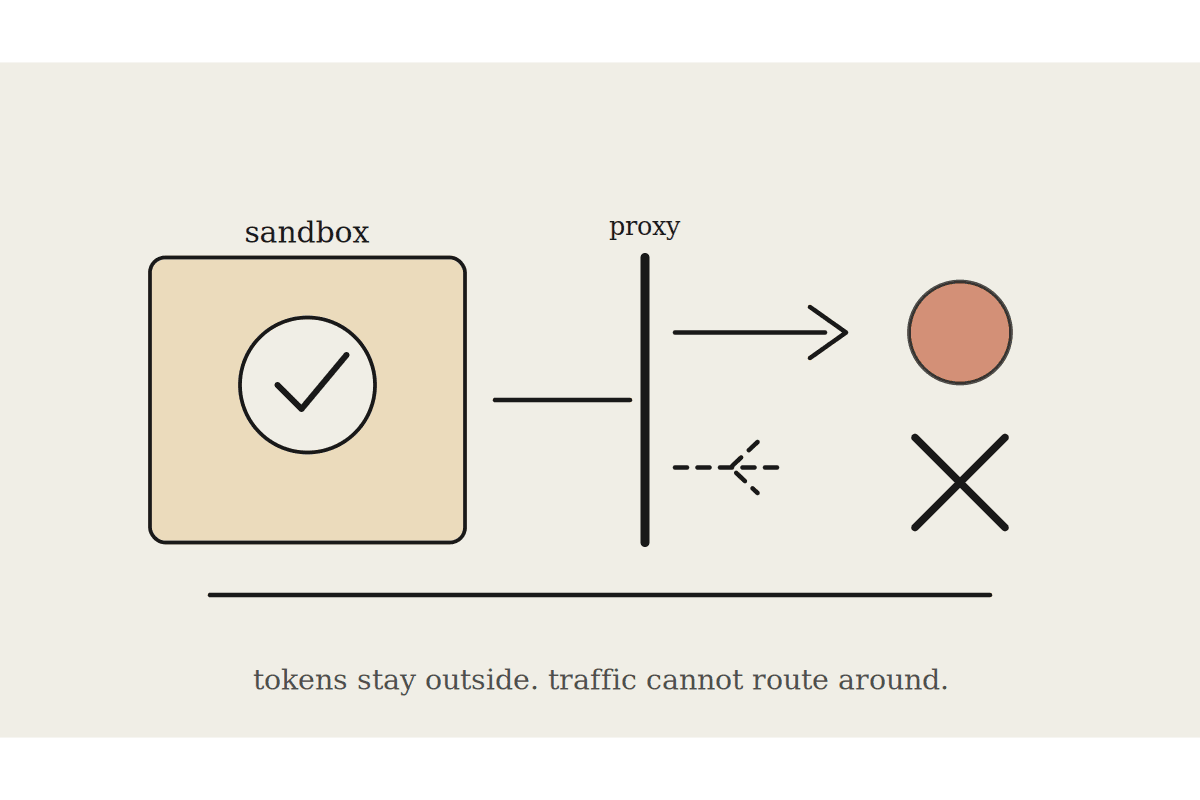
A gateway is a single service that every internal system calls instead of hitting the model provider's API directly. It handles authentication once, centrally, instead of scattering API keys across every application that needs one. It logs every call in one place, so you have a single source of truth for what's being asked and what it costs, instead of piecing together usage from five different systems' individual logs. And it can route calls to different models based on rules you define, rather than every application hard-coding its own choice.
The concrete engineering problems it solves
Key rotation -- change one API key in one place instead of hunting through five codebases when a key needs rotating.
Centralised rate limiting -- prevent one runaway internal script from burning your entire monthly budget before anyone notices.
Unified logging -- see every AI call across the whole business in one dashboard, not five disconnected ones.
Model routing -- send simple tasks to a cheaper model and complex ones to a more capable model, enforced centrally rather than trusting every developer to remember to do this themselves.
Easier vendor changes -- if you ever need to switch providers or add a second one, you change the gateway once instead of every calling application.
What it costs to build and when it's worth it
For a business with one or two AI-touched systems, a gateway is genuine over-engineering -- the coordination problem it solves doesn't exist yet at that scale. The pattern earns its keep once you're past three or four independently-built systems calling AI directly, which is roughly where the cost of NOT having centralised visibility (a runaway script, an orphaned API key from a departed contractor, no single place to see total spend) starts exceeding the cost of building the gateway itself.
A well-scoped gateway build for a mid-sized Australian engineering team runs $6,000 to $15,000 depending on how many existing systems need migrating onto it, plus a modest ongoing hosting cost, typically under $50 a month for the gateway service itself. Against that: a Sydney software business we reviewed found an orphaned API key from a contractor who'd left eight months earlier had been quietly accumulating charges the whole time, invisible because nobody had a single place to check total usage across all their AI-touched systems. A gateway would have caught that within a billing cycle.
How this differs from a business-level 'own your stack' decision
A reusable AI layer, in the business-strategy sense, is about consolidating which tools you rent versus which capability you own. A gateway is a specifically technical pattern sitting underneath that decision -- the plumbing that makes a shared layer manageable at scale, whether you're routing to one model provider or several. A business can adopt the strategic argument without ever needing a formal gateway if it only has one or two systems; a larger engineering team with many internal AI-touched services needs the gateway regardless of how it thinks about vendor strategy.
Rolling existing systems onto a new gateway
Migrating existing systems onto a gateway after the fact is more common than building it from scratch alongside a first AI system, and it's genuinely lower-risk if done one system at a time. Pick the lowest-stakes existing integration first, point it at the gateway instead of the direct API, confirm behaviour is identical, and only then migrate the next one. A big-bang migration of every system simultaneously is where gateway projects go wrong -- not because the pattern is flawed, but because debugging five simultaneous migrations at once is much harder than debugging one.
Budget for a short overlap period where both the old direct integration and the new gateway route work side by side for each system being migrated, so a rollback is a configuration change rather than an emergency rebuild if something doesn't behave as expected. This adds a small amount of elapsed time to the migration but removes almost all of the risk, which is a trade worth making for infrastructure that, once live, every other AI-touched system in the business will depend on.
If your engineering team is past the point where anyone can list every system calling an AI model directly, that's usually the signal this pattern is worth the build. Get in touch through /contact and we'll help you scope it against your actual system count.