Fifty people is the size where AI spend stops being a curiosity line item and starts showing up as a real number on the P&L, and where a business finally has enough repeat workflows to justify owning more of its AI stack rather than renting all of it. This is a working checklist for that size business, ordered by what pays back fastest, not by what sounds most ambitious.
Start with visibility, not architecture
Before any own-versus-rent decision, a 50-person company needs to know what it is actually spending and on what. Most do not. AI subscriptions get expensed by individual managers, API keys get created by whoever set up the pilot, and nobody has the full picture until finance runs a vendor report at year end.
List every AI subscription and API key currently active across the business, with an owner named against each.
Total monthly spend and compare it against a single Claude Cowork or team plan covering the same seat count.
Identify the three workflows that run most often, weekly reports, client emails, data entry, as the highest-value candidates to own.
Check which tools store your data for model training you don't control, a hidden cost separate from the invoice.
Confirm who in the business actually has admin access to each AI tool, and revoke access for anyone who has left.
This step alone regularly surfaces surprises. A Perth logistics firm running this audit found eleven active AI tool subscriptions across departments, four of which finance had no record of because they had been expensed as 'software' with no further detail. Total spend once consolidated: just under $2,900 a month, more than double what the original budget line suggested.
Own the workflows, not the infrastructure
Owning your AI does not mean running your own model or hosting your own servers at 50 people, that math rarely works until well past 200 staff. It means owning the prompts, skills, and workflows that turn a general-purpose model into your specific business process, so that changing vendors or renegotiating price does not mean rebuilding from scratch.
This distinction matters more than it sounds. A business that rents a narrow SaaS tool for, say, meeting summaries has effectively outsourced the prompt engineering, the formatting logic, and the integration to a vendor that can change price or shut down with thirty days' notice. A business that owns the equivalent Claude skill, even a simple one, keeps that logic in a file it controls, can move to a different model provider if it ever needs to, and is not exposed to a single vendor's roadmap decisions.
A Melbourne engineering firm at this size built four Claude Cowork skills covering proposal drafting, site report formatting, subcontractor compliance checks, and weekly project status rollups. Total build time across all four was about 30 hours of a project manager's time, roughly $4,200 at a loaded rate. Those four skills now run every week without renewing a single-purpose SaaS contract, saving an estimated $14,000 a year in subscriptions the firm had been paying for narrower tools doing the same jobs.
The nine-item checklist
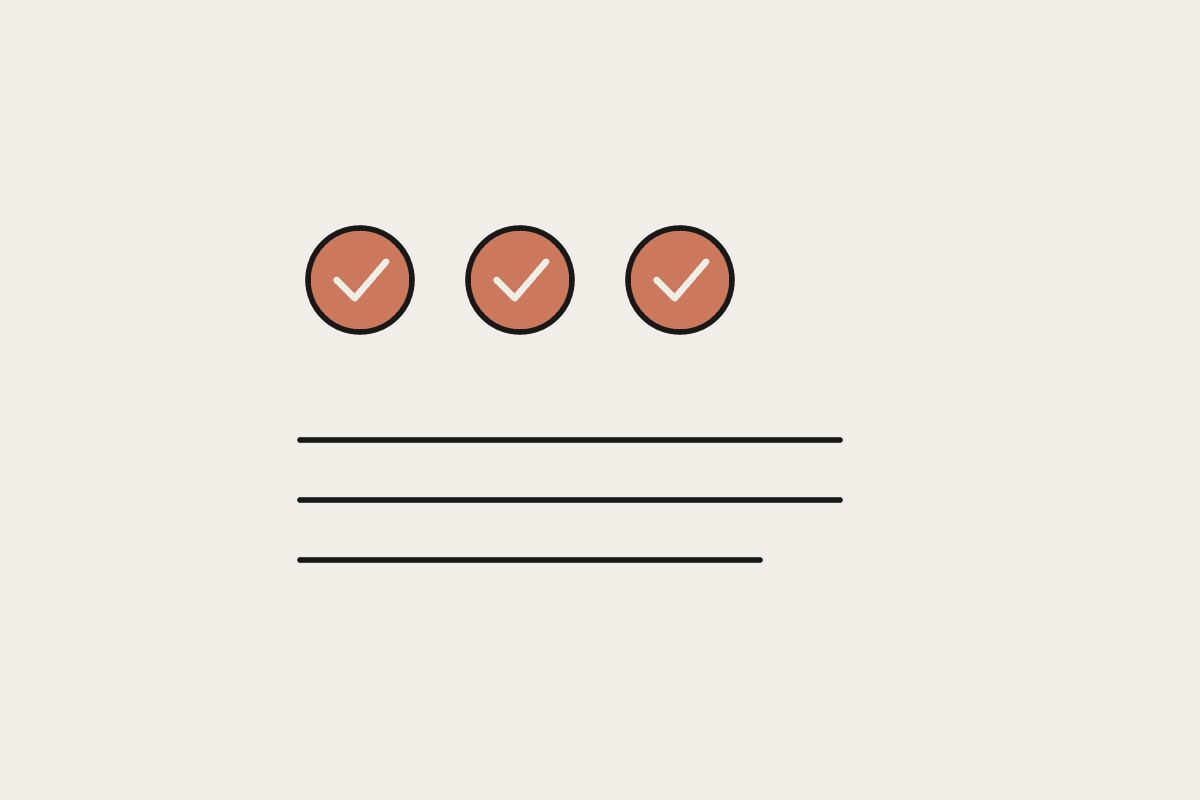
In practical order for a business at this size: audit current spend, name an owner for AI decisions, pick the three highest-frequency workflows, write down what each workflow needs in plain English, build the first skill and measure it against the old process, document the prompt and workflow somewhere the whole team can find it, set a monthly fifteen-minute review of what is working, revisit vendor contracts once the internal alternative is proven, and only then consider anything more ambitious like a private deployment or a custom model.
The order matters. Skipping straight to infrastructure decisions before you have visibility and one working owned workflow is how businesses end up with an expensive project and nothing shipped. A 50-person Australian company that works through these nine items in sequence typically has real, measured savings inside a single quarter, not a strategy document.
What to skip at this size
A 50-person business does not need a private model deployment, a dedicated MLOps hire, or a custom fine-tuned model. Those decisions belong to companies well past 200 staff with genuinely sensitive data volumes that justify the fixed cost. At 50 people, the return sits almost entirely in owning the workflow layer, the prompts and skills, while renting the underlying model access through a standard Claude Team or Cowork plan. Confusing 'own your AI' with 'run your own infrastructure' is the single most common mistake we see businesses this size make, usually after a vendor pitch that overstates the risk of staying on managed infrastructure.
Document the decision too, not just the workflow. A one-page record of why the business chose managed model access over self-hosting, reviewed annually, saves the next person from relitigating the same debate every time a new AI vendor calls with a compliance scare story.