Z.ai now sells a coding plan from about US$18 a month, roughly $28 in Australian dollars, and it comes with GLM-5.2, the open-weight model currently posting the strongest coding benchmark numbers of any open release. Every vendor has a bundle now, and Anthropic's Claude plans anchor the premium end. For a Sydney dev team, the spread between the cheapest and dearest option looks dramatic on a pricing page and much smaller in a payroll report.
The temptation is to treat this as a simple price comparison and pick the cheapest row that clears a benchmark. That instinct is expensive. Benchmarks measure a model on someone else's problems, and the number that actually lands in your accounts is set by how much senior time the tool saves or wastes each week. The right question is not which plan is cheapest, but which plan leaves your team shipping the most working code per dollar of salary.
What the cheap plans actually buy
The budget tier has become genuinely capable, and it is worth being honest about that before defending any premium spend.
GLM-5.2 posts leading open-weight results on SWE-bench Pro and ships under an MIT licence, so there is no vendor lock on the weights themselves.
Subscription access removes the self-hosting overhead that usually sinks open-weight economics for small teams.
For solo developers and side projects, the quality floor now sits well above what US$18 bought a year ago.
There are real limits. Rate caps bite during heavy agentic sessions, long-horizon agent work is less reliable than the marketing suggests, and support channels are thin when something breaks mid-sprint.
The payroll maths that matters
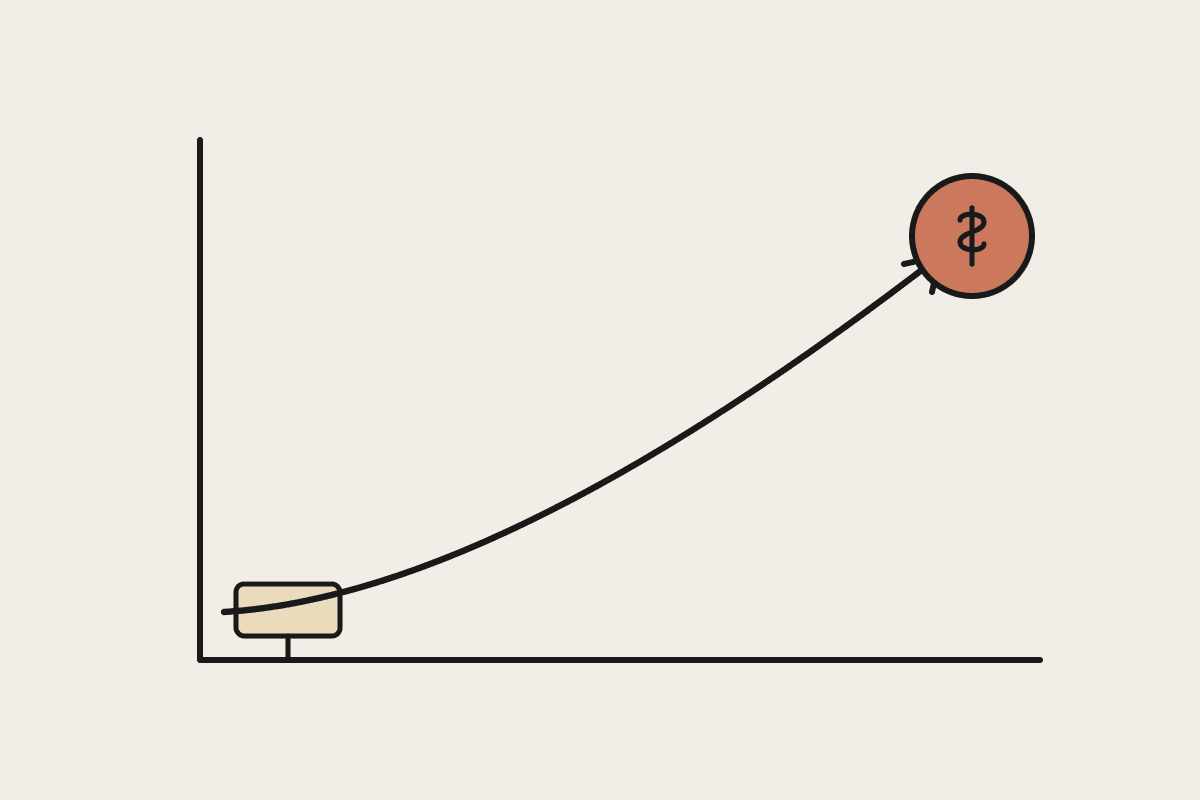
Price the decision against people, not subscriptions. A mid-level developer in Sydney costs $120 to $160 an hour once you load salary, super and overheads, which changes the arithmetic completely.
If a premium tool saves one extra hour a week over a budget tool, that is worth roughly $520 to $690 a month per developer.
The price gap between a budget plan and a premium plan is usually $50 to $150 a month per seat.
The tool that ships fewer broken diffs wins the comparison before morning tea.
Take a five-person team in Melbourne on a $600 a month premium bill against a $140 budget bill. The $460 monthly difference is recovered the moment the better tool saves each developer forty minutes across a week. In practice the saving is larger, because the expensive part of coding assistance is not generation, it is the review and rework when a cheap tool hands back subtly wrong code.
This is why we run teams on Claude Code for production work. In our engagements the difference shows up as fewer abandoned agent runs, better handling of large refactors, and less time spent reviewing code that looks right and is not. The Anthropic name also matters to clients' security teams, which shortens procurement conversations.
The hidden costs a pricing page never shows
A subscription line item is the easy number. The costs that decide the real total sit off the pricing page entirely.
Review time: every generated diff still needs a human read, and cheaper tools push more of that cost onto your senior engineers.
Rework: a wrong refactor that reaches staging can cost a full day to unpick, which dwarfs any monthly saving.
Procurement and security: a tool your clients' security teams have never heard of can add weeks to an enterprise sign-off, and under the Privacy Act you still own the data-handling questions regardless of who trained the model.
None of this argues against budget tools by default. It argues for counting the whole cost, not the headline one. A $28 plan that costs a senior engineer two extra review hours a week is not a $28 plan, and a premium plan that removes those hours is rarely as dear as it first looks.
A sensible way to decide
Do not decide from a leaderboard. Run a two-week trial on your own repository, because your codebase is the only benchmark that pays your invoices. Leaderboard tasks are curated and public; your legacy modules, your naming conventions and your half-documented edge cases are neither, and that is exactly where cheap tools tend to stumble.
Pick three recurring task types: a bug fix, a small feature, and a refactor.
Run each through both tools with the same prompts and measure accepted diffs, not vibes.
Track review time as carefully as generation time, because review is where cheap tools get expensive.
Some teams will find the budget plan genuinely sufficient, and that is a fine outcome we have recommended more than once. Most teams shipping production software find the premium option pays for itself inside the first sprint. We help Australian teams set up and evaluate coding assistants, including structured trials exactly like this. Book a free brainstorm and we will help you run the numbers on your own code.