Zapier, Make and n8n solve the same fundamental problem in three different ways: connecting your business apps so data moves between them automatically, without a person copying and pasting. All three are genuinely useful, all three have loyal user bases, and the differences between them matter less than most comparison articles suggest, right up until your business hits the specific limitation of whichever one you chose.
Where the three actually differ
Zapier remains the easiest to start with, has by far the largest library of pre-built app connections, and its pricing scales with task volume in a way that suits a small business testing the water before committing. Make (formerly Integromat) trades a steeper learning curve for a visual, more powerful workflow builder that handles branching logic and complex data transformation better than Zapier's simpler linear model, which matters once your automations get past the basic trigger-and-action stage. n8n sits at the technical end: open source, self-hostable, and the cheapest option at scale if you have the technical capacity to run and maintain it, which is exactly the tradeoff that keeps it out of reach for businesses without an internal developer or a technical partner.
What all three genuinely cannot do
Handle a request that does not match a pre-built rule, since all three follow the logic you configured, nothing more
Draft genuinely new content, like a client email responding to a specific, unpredictable situation
Make a judgement call where the right action depends on context the rule cannot anticipate
Improve their own logic over time without a person going back in to edit the workflow
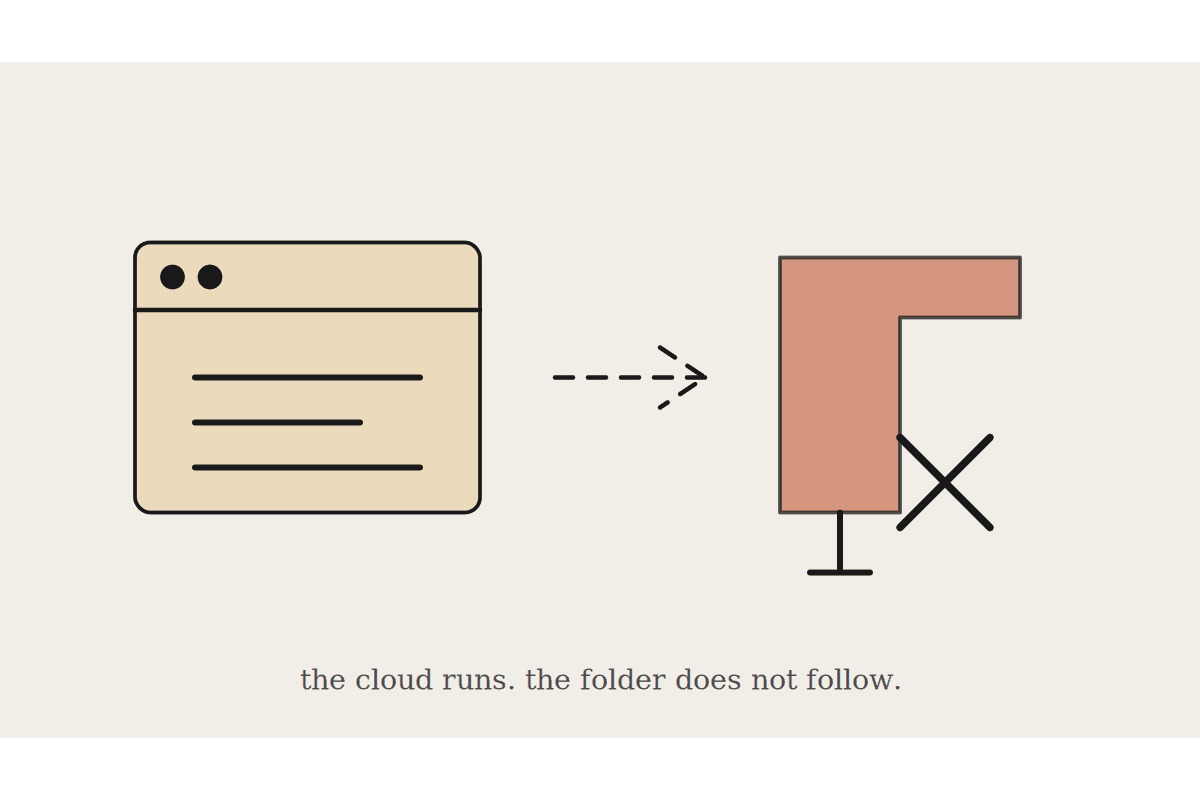
This is the limitation that catches businesses out about six months into using any of the three. The straightforward, repeatable parts of a workflow, moving a new lead from a form into a CRM, updating a spreadsheet when an invoice is paid, work brilliantly. The moment a workflow needs to handle the tenth edge case, the exception nobody thought to build a rule for, the automation either breaks silently or routes the problem to a human anyway, which is exactly where the automation was supposed to help.
Why businesses are increasingly running both
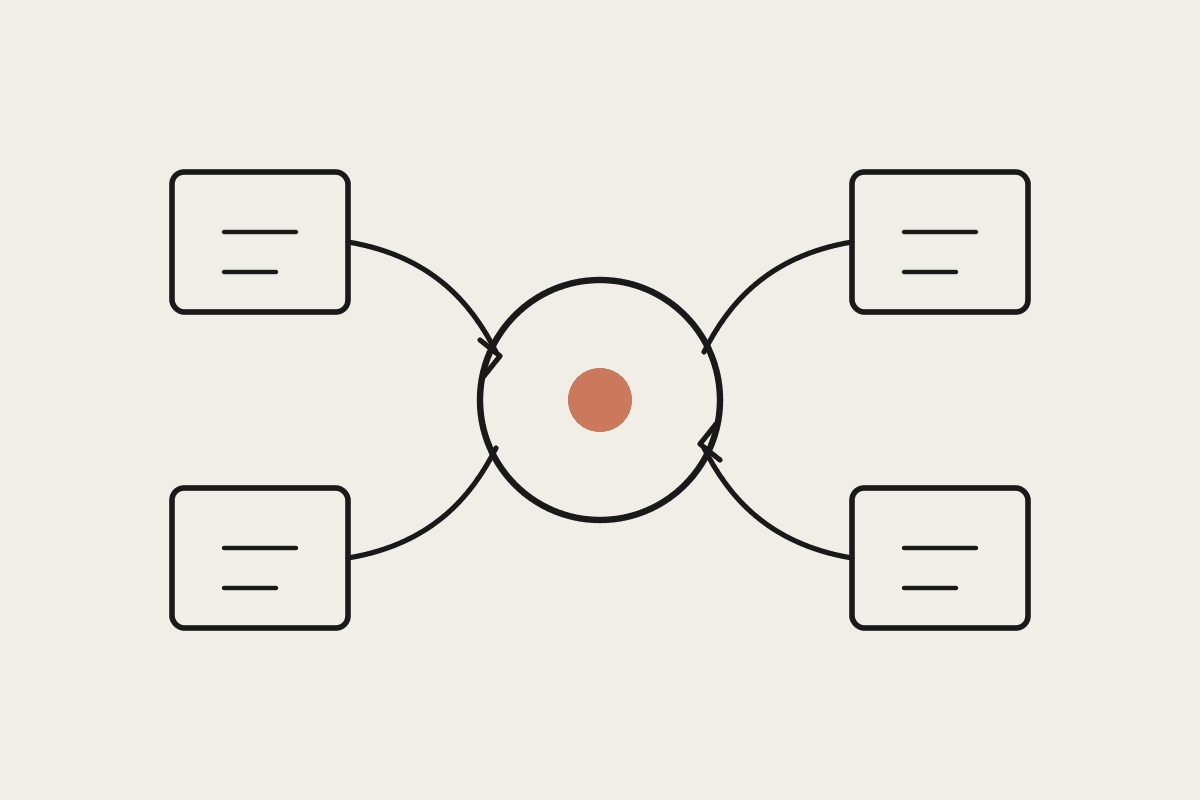
The pattern we see most often with Australian SMB clients in 2026 is not choosing between these platforms and Claude, it is running them together. Zapier, Make or n8n handles the deterministic, high-volume connections between apps, while Claude handles the steps that need actual judgement: reading an unstructured email and deciding what it means, drafting a genuinely tailored response, or making a categorisation call that depends on nuance a rule cannot capture. A Perth business using Zapier to move form submissions into their CRM, then triggering a Claude step to draft a personalised follow-up based on what the prospect actually wrote, is a more capable system than either tool running alone.
The realistic cost picture
Migration between the three is worth a specific word of caution, because businesses that outgrow Zapier's simpler model often assume moving to Make or n8n is a quick swap. In practice, every workflow needs to be rebuilt from scratch in the new platform's logic, which for a business with dozens of active Zaps can be a multi-week project in its own right. The better move for most growing businesses is to pick the platform that fits where the business will be in two years, not just where it is today, rather than starting on the cheapest option and paying the migration cost later.
Support and community also differ meaningfully between the three in ways that matter once something breaks. Zapier's support and documentation are the most mature given its scale and longevity in the market. Make has a smaller but genuinely active community and reasonably good documentation. n8n, being open source, depends heavily on community forums and, for anything mission-critical, effectively requires either an internal specialist or a paid support arrangement, which is a cost businesses evaluating the 'free' self-hosted option frequently forget to include in the comparison.
For a small business, Zapier's mid-tier plans run roughly $30 to $100 a month depending on task volume, Make's equivalent tiers run similarly, and n8n's self-hosted option can be close to free in software cost but carries real hosting and maintenance overhead that is easy to underprice. Layering Claude on top for the judgement-heavy steps typically adds $2,000 to $8,000 in one-off integration cost plus a modest ongoing usage fee, which for most businesses is worth it the moment the manual exception-handling time it replaces exceeds a few hours a month, a threshold most growing SMBs cross faster than they expect.