The weekly sales report is a strange piece of work. It takes someone two or three hours, almost none of which is analysis, and by the time it lands in the meeting it is describing a week everyone has already lived through. Automating it is less about saving the hours and more about changing what the report is for.
What is actually taking the time
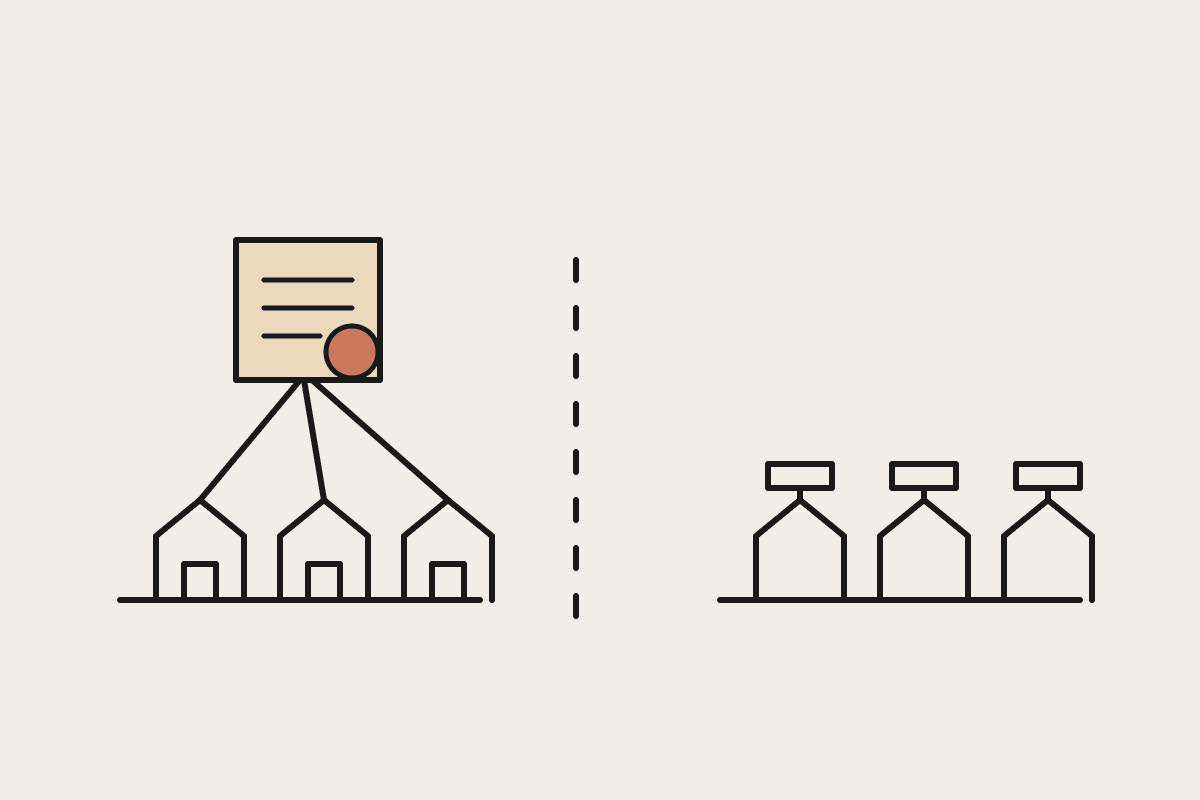
Break the job down and the analysis is the small part. The bulk is retrieval and formatting: exporting from the CRM, pulling numbers from the accounting system, reconciling two lists that disagree, pasting into a template, fixing the chart that broke.
Pulling data from two or three systems that do not talk to each other
Reconciling records where the same deal appears with different values
Rebuilding the same table and chart layout every week
Writing three paragraphs of commentary that mostly restate the table
Every one of those is mechanical, which is why the task survives automation well. The judgement part, deciding what the numbers mean and what to do about it, stays with a person and takes about fifteen minutes once the rest is done.
How the automated version works
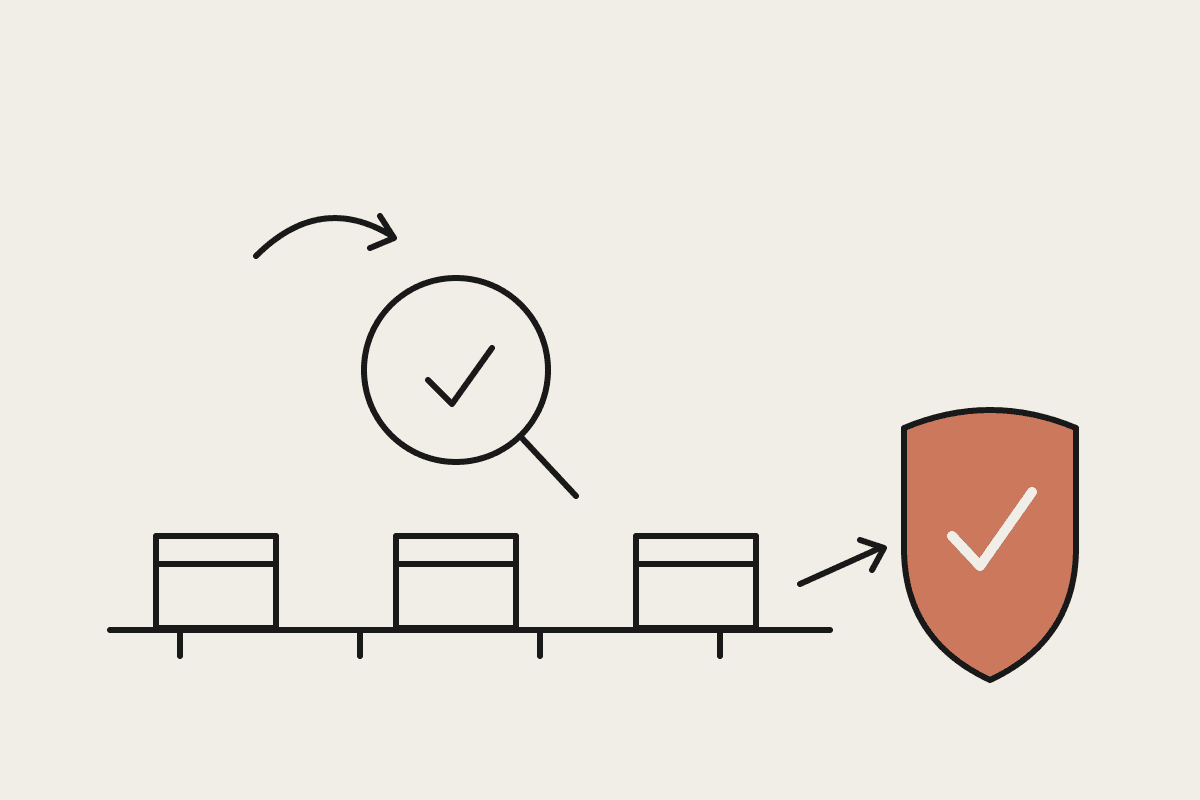
A scheduled run does the retrieval and the first draft. Claude connects to the systems holding the data, pulls the same figures a person would, compares them to the prior period, and writes the report into whatever format you already use. It arrives before the meeting rather than during it.
The important design choice is that it produces a draft, not a published artefact. Someone reads it, corrects the interpretation where the data is misleading, and adds the context no system holds. That review takes minutes and is the difference between a report people trust and one they stop opening.
Getting the numbers to agree
The step that derails most attempts is reconciliation. Your CRM says one thing about a deal, your invoicing system says another, and a person has quietly been resolving that discrepancy by judgement for years without documenting the rule.
Make the rule explicit before you automate anything: which system is authoritative for value, which for stage, which for close date. If two sources conflict and no rule exists, the report should say so rather than silently pick one. A flagged discrepancy is information; a quietly resolved one is a future argument in a board meeting.
Making the commentary worth reading
Most automated reports fail here. They narrate the table in prose, which adds nothing, and everyone learns to skip to the numbers. A report earns its place by flagging what changed and what is worth a decision.
Movements outside the normal range, with the size of the change stated plainly
Deals that went quiet, not just deals that closed
Anything trending toward a problem two or three weeks out, while it is still cheap to fix
An explicit note when nothing notable happened, which is more useful than manufactured insight
Tell it directly not to editorialise and not to invent explanations for movements it cannot see the cause of. Without that instruction it will confidently attribute a quiet week to seasonality it has no evidence for, and someone will repeat that guess to a client.
What it is worth
Three hours a week of a sales manager's time at a fully loaded $140,000 a year is roughly $10,000 a year, which is a real number but not the main one. The larger return is that the report becomes early enough to act on. A pipeline problem spotted on Monday morning instead of Thursday afternoon is worth considerably more than the hours.
There is also a consistency argument. Manual reports drift, because whoever is busiest that week quietly drops a section. An automated draft produces the same structure every time, which is what makes period-on-period comparison possible at all. For an Australian business tracking a quarterly number, that comparability is the whole point of reporting weekly.
What not to conclude
Automating the report does not fix data that is wrong at the source. If your CRM is half-filled and deal stages mean different things to different people, the automated version will produce a tidier presentation of the same unreliable picture, faster and with more authority. That is worse, not better.
Fix the inputs first, or at minimum have the report state plainly what it could not verify. A line noting that eleven deals have no close date is more valuable than a forecast that silently excludes them.
If your weekly reporting is eating a day a month across the team, book a short call and we will look at which parts are genuinely mechanical.