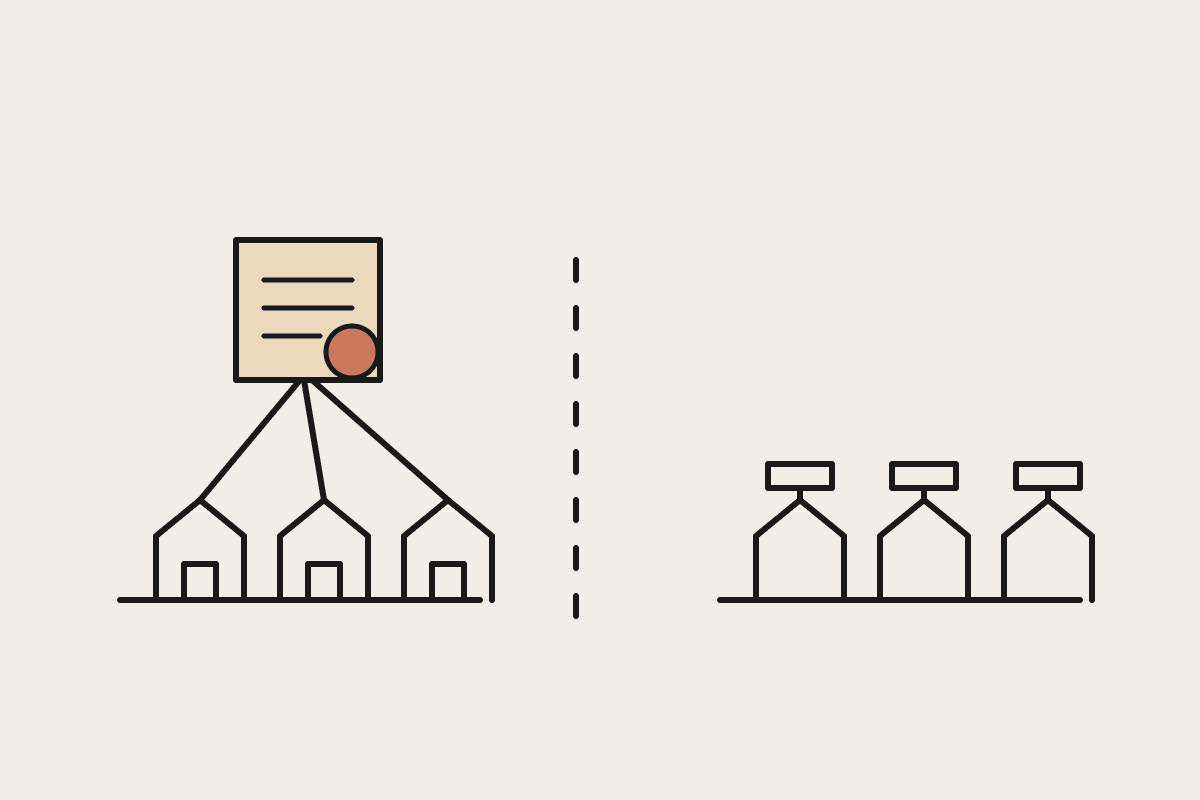
A Skill is a folder of instructions Claude loads only when a task calls for it. Instead of one enormous prompt covering everything your business does, you write a short procedure once, name it, and Claude picks it up when the work matches. For business owners the practical framing is simple: Skills are how you stop re-explaining your own process every time you open a chat.
What a Skill actually is
At its simplest, a Skill is a markdown file with a name, a description of when to use it, and the steps to follow. It can also carry supporting files: a template, a checklist, a script, a reference document. When Claude decides the Skill is relevant, those instructions enter the conversation. When it is not relevant, they stay out of the way, which is what keeps the whole thing from collapsing under its own weight.
A description that tells Claude when to reach for it, which is the part most people under-write
The procedure itself, written the way you would brief a new starter
Optional attached files: templates, examples, scripts, reference data
The gotchas, because a Skill that documents the three things that always go wrong is worth more than one that lists the happy path
Where they earn their keep
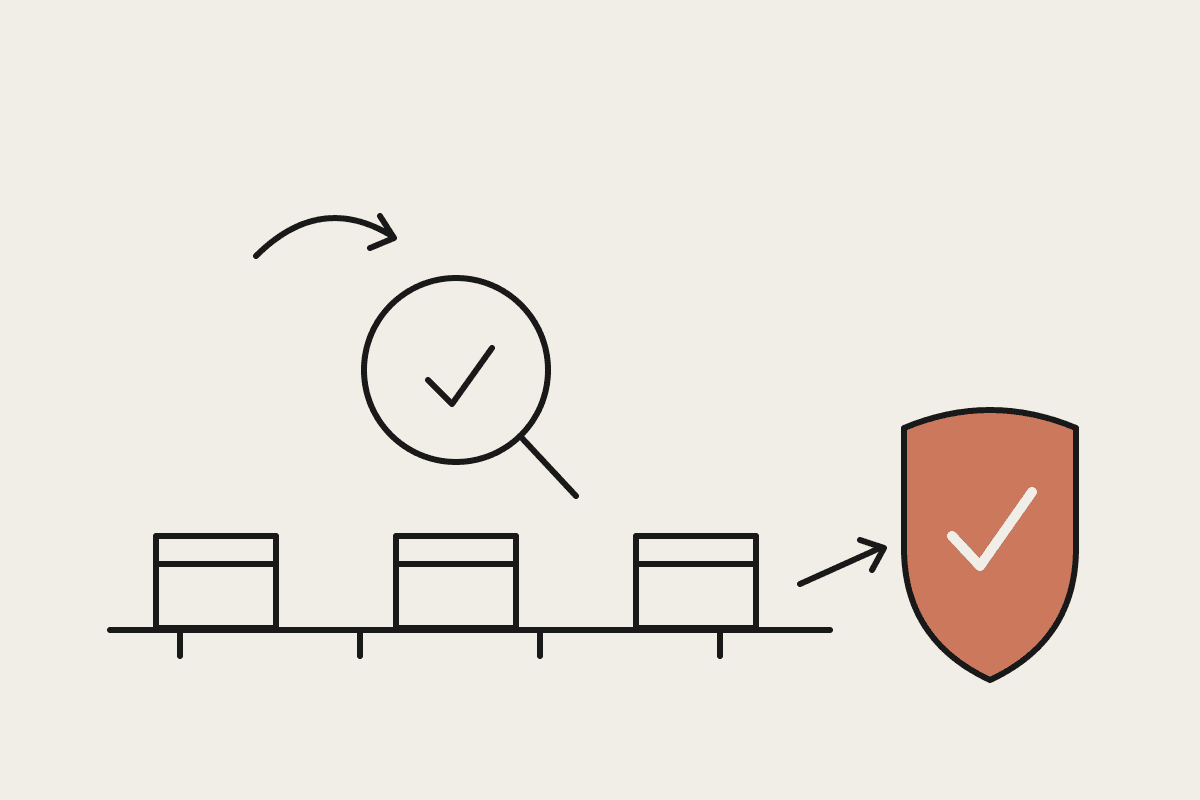
Skills pay off when a task is repeatable, has a right way of being done, and is currently living in someone's head. That describes an enormous amount of small business work: how you quote, how you onboard a client, how you write a proposal, which fields go in the CRM, what your invoice follow-up sequence says. None of that is complicated work, but all of it is work that goes wrong in the same few ways.
Recurring deliverables where consistency matters more than creativity
Processes with a house style: proposals, reports, client updates
Anything with a checklist that people skip steps on under time pressure
Workflows that touch a specific system and have quirks worth documenting once
Work that a new hire currently learns by shadowing someone for a fortnight
The description is the whole game
The most common way a Skill fails is not bad instructions, it is a description so vague that Claude never loads it. "Helps with client work" matches everything and therefore nothing useful. A description that names the trigger words, the systems involved and the situations it covers will fire reliably.
Write it as though you are telling a capable colleague when to interrupt: "Use when drafting a fixed-price proposal for a new client, including scoping the inclusions, setting the payment schedule and applying our standard exclusions." That is specific enough to trigger correctly and specific enough that you will remember what it does in six months. If you find yourself manually telling Claude to use a Skill, the description is the thing to fix.
Where they do not help
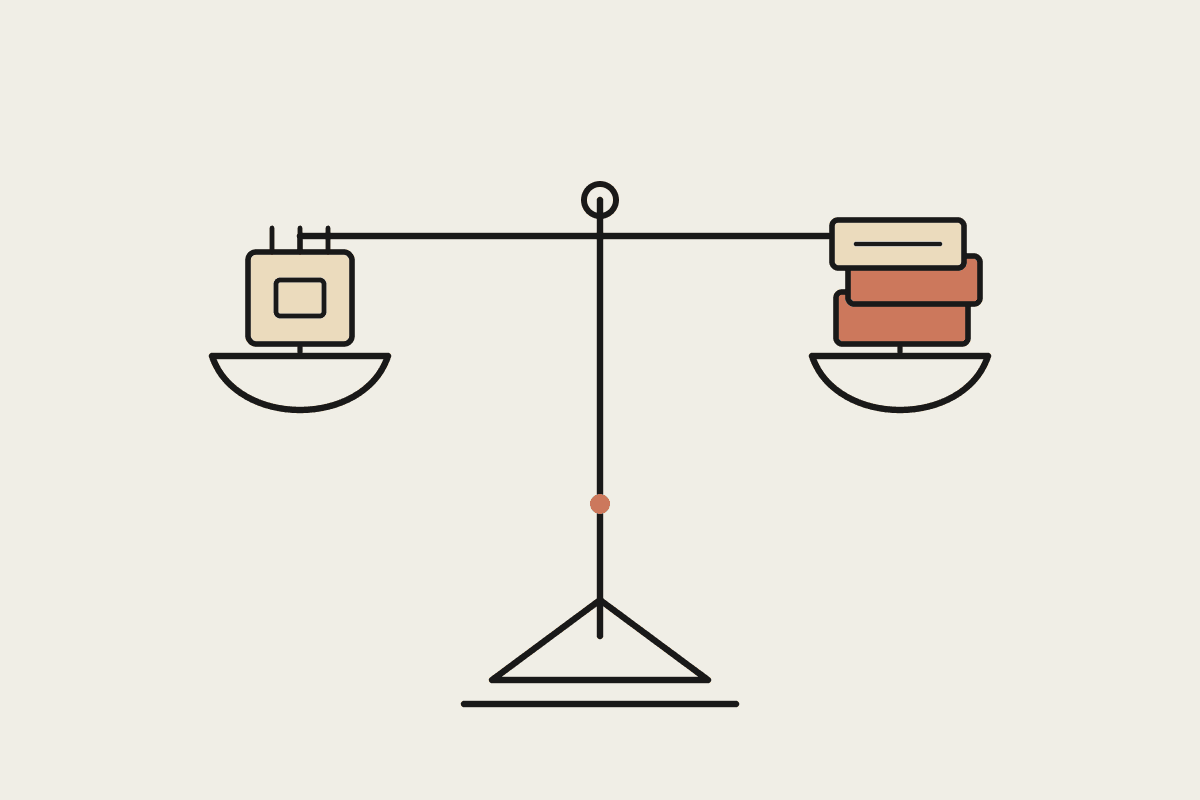
A Skill is a bad fit for one-off work, for tasks where the right answer changes every time, and for anything that is really a data problem rather than a process problem. Writing a Skill for something you will do twice is administrative theatre. The rough test we use with Australian clients: if it happens monthly or more, and two people would do it differently, it is a candidate.
They are also the wrong tool for judgement calls that depend on relationships or commercial context you cannot write down. Pricing a job for a long-standing client who has had a rough year is not a process, and pretending it is produces confident advice that misses the point entirely.
What it costs to set up
Writing a first Skill takes an afternoon, mostly spent discovering that your process is less documented than you thought. That is not wasted time, it is the same work you would do before hiring. A small Sydney business documenting its five core processes as Skills is realistically looking at $4,000 to $9,000 of consulting time if it is outsourced, and materially less if someone internal writes the drafts and gets them reviewed.
The ongoing cost is maintenance. A Skill describing a process you changed six months ago is worse than no Skill, because it is confidently wrong. Whoever owns the process should own the Skill, and a quarterly review of the set is usually enough to keep it honest.
What not to conclude
Skills do not make Claude autonomous, and they do not remove the review step. They make its output consistent with how you want the work done, which is a different and more useful thing. They also are not a substitute for connecting real data: a Skill can tell Claude how to write your monthly report, but it still needs the actual numbers from somewhere.
Start with one process, the one that annoys you most, and see whether the output changes. If it does not, the problem was never the instructions.
If you are weighing up which of your processes are worth writing down as Skills, book a short call and we will work through your list in half an hour.