Artifacts let Claude produce a working mini-application, a calculator, a tracker, a small interactive tool, directly inside a conversation, and the useful part for someone with no coding background is that you never need to see or touch the code to get a genuinely useful tool out of it.
What kind of tool this actually suits
This matters most for the businesses least likely to have a developer on staff or on retainer, which is exactly the group most often priced out of even a small custom tool through the traditional freelance or agency route.
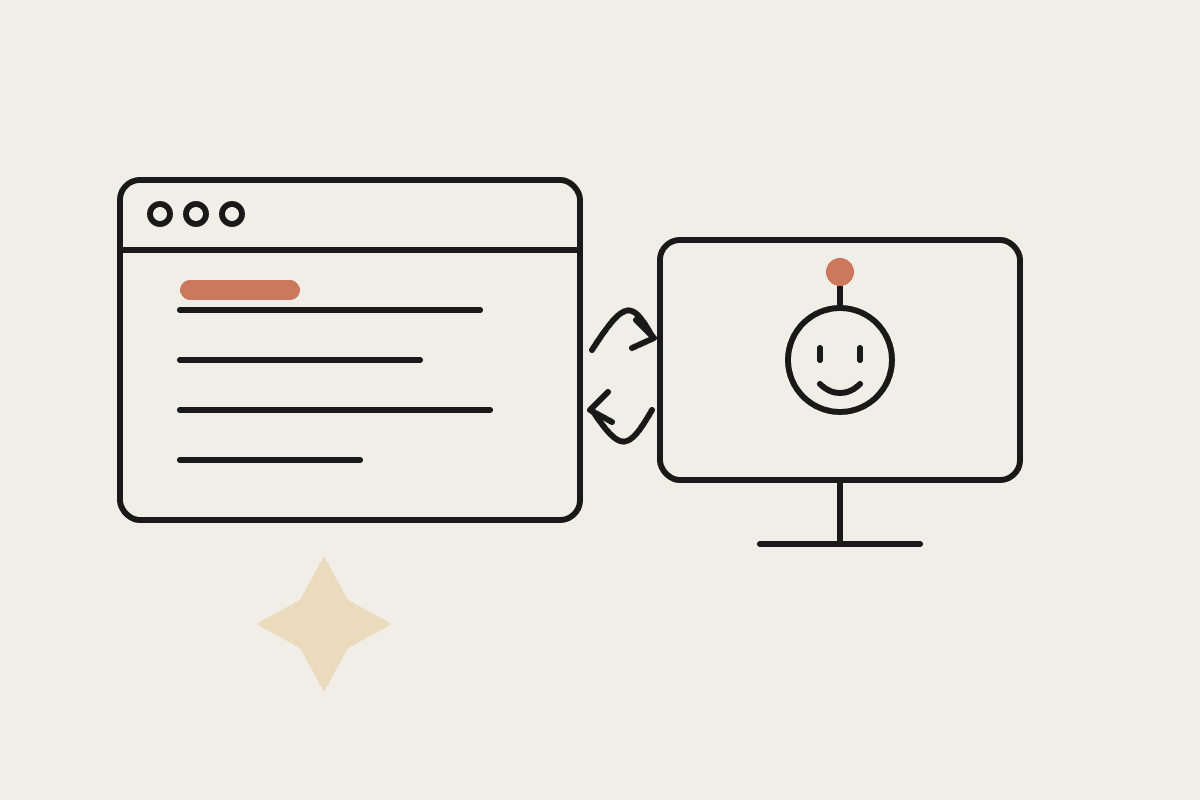
The iteration loop itself is the underrated part. A traditional developer relationship means submitting a change request and waiting days for a small tweak. With an Artifact, the same tweak takes a follow-up sentence and a minute or two, which changes how willing a business owner is to actually refine a tool until it's genuinely useful, rather than settling for the first rough version because further changes felt like too much friction to bother requesting.
Set expectations honestly with anyone using the tool downstream, staff or customers, that it's a lightweight helper and not a piece of certified business software, and most of the risk in using it well disappears.
Artifacts work well for small, self-contained, single-purpose tools: a quote calculator that takes a few inputs and returns a price, a simple tracker for something you'd otherwise manage in a messy spreadsheet, a quiz or checklist for a client-facing process. They're not suited to anything needing to persist data long-term across sessions, connect to other business systems, or handle sensitive information at scale. Think disposable, task-specific tool, not a piece of core business software.
Good fit: calculators, checklists, simple trackers, one-off client-facing tools
Poor fit: anything needing persistent storage, logins, or connections to other systems
You describe what you want in plain language, no code knowledge needed
Iterate the same way: describe what's wrong, get an updated version
A worked example: a pricing calculator
A Sydney tradie business wanted a simple quote estimator for their website, a tool that takes job size and material choice and spits out a rough price range. Describing it in plain language, room dimensions, three material tiers, a markup percentage, produced a working calculator in one conversation. Getting the styling and the exact wording right took another two rounds of "make the button bigger" and "round the price to the nearest ten dollars" style feedback. Total time from idea to a tool live on their site: under an hour, versus quotes from freelance developers ranging from $600 to $1,500 for the same basic functionality.
Where to be careful
Anything an Artifact produces that touches a customer's personal information, an inquiry form collecting a phone number or email, deserves a proper review before going live, since the built-in tool wasn't designed with data-handling compliance as a first-class concern. For anything under the Privacy Act's scope, treat an Artifact as a working prototype to validate the idea, not necessarily the production version, unless you've had someone check how any collected data is actually handled.
The realistic expectation
Sharing and iterating without a developer
Once a tool works, sharing it doesn't need a developer's involvement either. It can be embedded or shared as a link depending on where you're using it, and any further changes go through the same plain-language process: describe what's wrong or what you'd like different, and get an updated version back. This keeps a small business genuinely independent of ongoing developer time for a tool that would otherwise require a support contract just to change a button label or adjust a formula.
Artifacts won't replace a properly built piece of software for anything with real complexity or ongoing data needs. What they're genuinely good for is proving out a small idea fast, without hiring a developer for something that might not even be worth building properly. If the small version gets used constantly and starts to strain its limits, that's the signal it's earned a proper build, not a reason to have skipped the quick version in the first place.
The right mental model: treat Artifacts as the fast, cheap way to test whether a small tool is worth having at all, before deciding whether it's worth a proper build.
For a business that's never had the budget to justify a custom tool, that's a meaningful shift in what's actually worth building.
If you've got a small recurring task currently living in a messy spreadsheet or a paper checklist, that's usually a good first thing to try turning into an Artifact.
Small, fast, cheap to test: that's the whole pitch, and it holds up in practice.