Slack solved the email-chain problem and created a new one: a channel with 40 unread messages that everyone scrolls past because reading all of it takes longer than the update was worth. Most small teams end up with a #general channel nobody actually reads properly and a habit of DMing important things directly, which defeats the purpose of having a shared channel at all, and quietly pushes the business back toward the same fragmented, undocumented communication that Slack was meant to replace.
Why team updates get noisy even with good intentions
The core problem, worth naming directly, is that Slack treats every message with equal visual weight. A genuinely important update about a client escalation looks exactly the same as someone sharing a meme, and by the time a team's grown past six or seven people, the volume alone means important things get buried under a pile of low-stakes chatter within an hour of being posted, sometimes less on an especially chatty day. Nobody's being careless; the tool just doesn't distinguish signal from noise on its own.
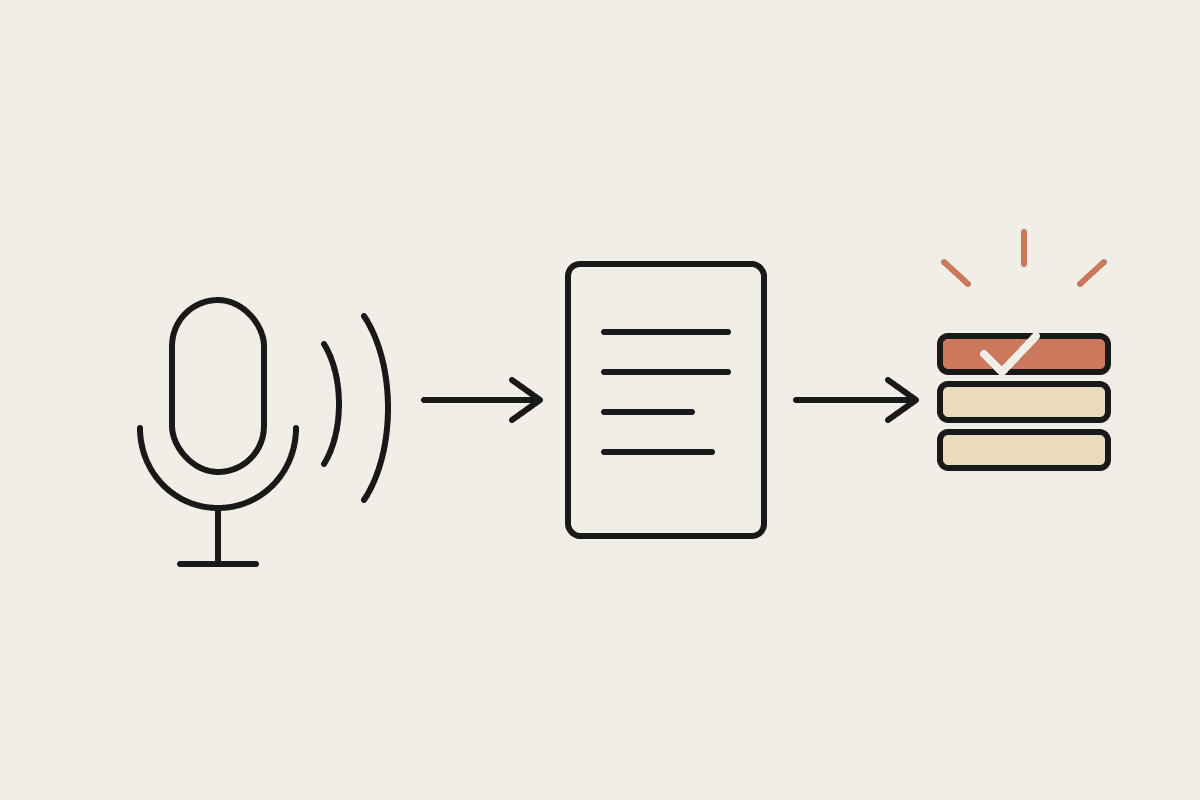
A daily or twice-daily digest that pulls out what actually needs attention from a busy channel
Client or project mentions cross-referenced against your CRM so updates land with the right context attached
Action items extracted from thread discussions and turned into tracked tasks, not left buried in Slack
A weekly summary of what shipped, what's blocked, and what needs a decision, sent to the people who need it
Setting up a Cowork digest that people actually read
The workable pattern connects Cowork to your Slack workspace with a scheduled task that reads specified channels, summarises what happened since the last digest, and flags anything that looks like it needs a decision or a reply rather than just archiving. The summary goes out as its own message, short enough to read in under a minute, with links back to the original threads for anyone who wants the full context, which keeps the digest short without losing the ability to dig deeper on anything that warrants it. That's a meaningfully different experience to scrolling 40 unread messages hoping to catch the important one.
A Sydney marketing agency with 14 staff across three account teams had reached the point where genuinely urgent client updates were getting missed for a day or more because they were posted into a channel that had 200-plus messages a day of general chatter. After setting up a twice-daily digest scoped to client-facing channels, the agency's account leads reported catching escalations same-day consistently, and estimated avoiding just two client relationship near-misses in the first quarter was worth more than the setup cost several times over, conservatively put at $9,000 in retained account value.
Getting the scope right so the digest doesn't become its own noise
A digest that pulls a recap from every channel indiscriminately ends up as generically useless as the raw feed it replaced. The setup that works scopes tightly: client-facing channels, incident channels, and anything explicitly flagged as decision-needed get digested, while social or general chatter channels are deliberately left alone. Trying to cover everything is the single most common mistake teams make when they first set this up, and it's worth resisting the urge to expand scope until the tight version has proven itself over a few weeks of real use.
Handling the channels that mix urgent and routine together
Plenty of real teams don't have the luxury of clean channel separation; a single client channel might carry both routine status chatter and a genuine escalation in the same thread. For those, the digest needs a lighter-weight urgency classifier layered on top of the summary, flagging anything that reads as time-sensitive for an immediate ping rather than waiting for the next scheduled digest. That's a more involved build than a simple scheduled summary, but it's the difference between a digest that's safe to rely on and one that still needs someone anxiously re-checking the raw channel just in case.
What this isn't
This doesn't replace real-time notifications for genuinely urgent things like a production outage or a client threatening to walk; those still need an immediate alert, not a twice-daily summary. It's aimed at the large middle tier of updates that matter but don't need instant attention, which is most of what actually gets posted.
Automata AI sets up scoped Slack digests inside Cowork for Australian teams drowning in channel noise, with the urgency classifier built in from the start rather than bolted on later. If your important updates are getting lost in general chatter, get in touch via /contact.
Where to go next
If you are setting Cowork up from scratch, start with Claude Cowork setup guide. Two pieces that sit closest to this one: