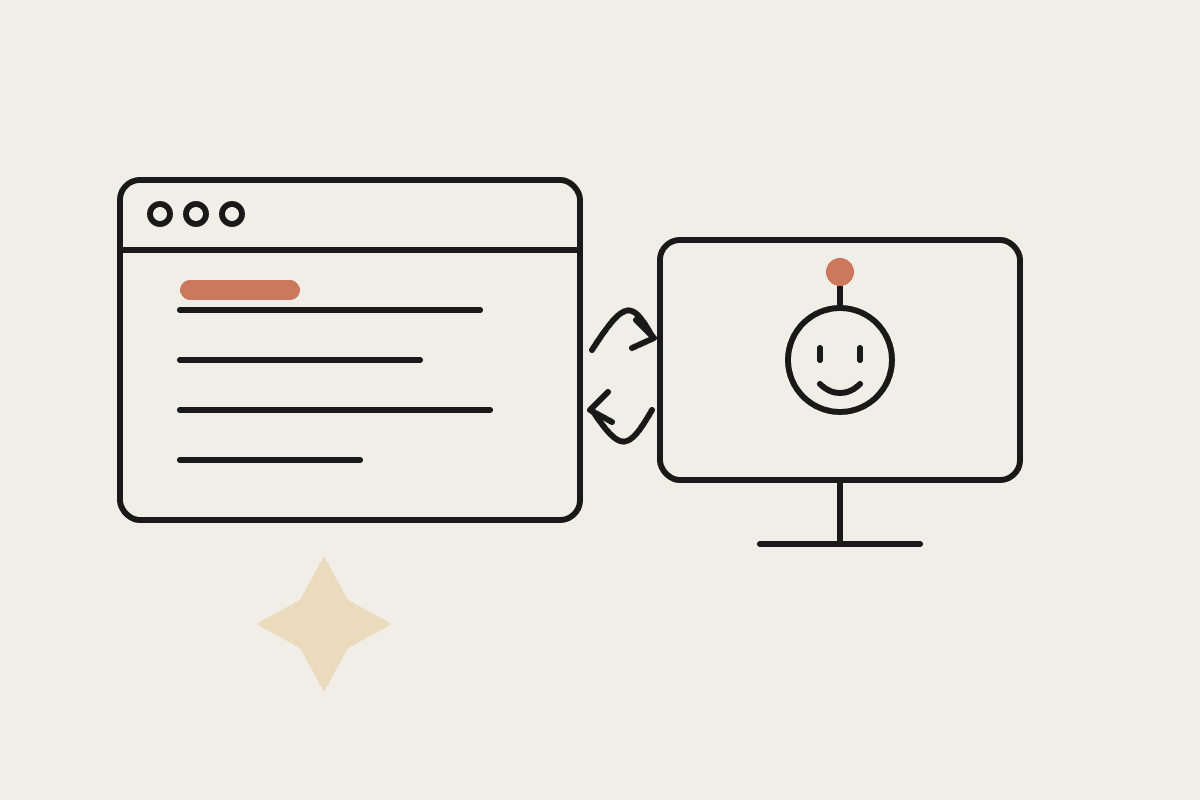
Anthropic published an account of how its own business development team runs inbound and outbound with Claude Cowork. The interesting part for an Australian small business is not the scale, it is the shape: skills that encode how the team works, and scheduled tasks that run them without anyone opening a chat window.
What actually gets automated
Not selling. The automated parts are the research, preparation and record-keeping that surround a conversation, which in most sales teams consume more hours than the conversations themselves do.
Researching an inbound enquiry before anyone replies to it
Drafting the first outreach based on what the account actually does
Preparing a call brief from prior emails, notes and public information
Writing up the call afterwards and updating the CRM record
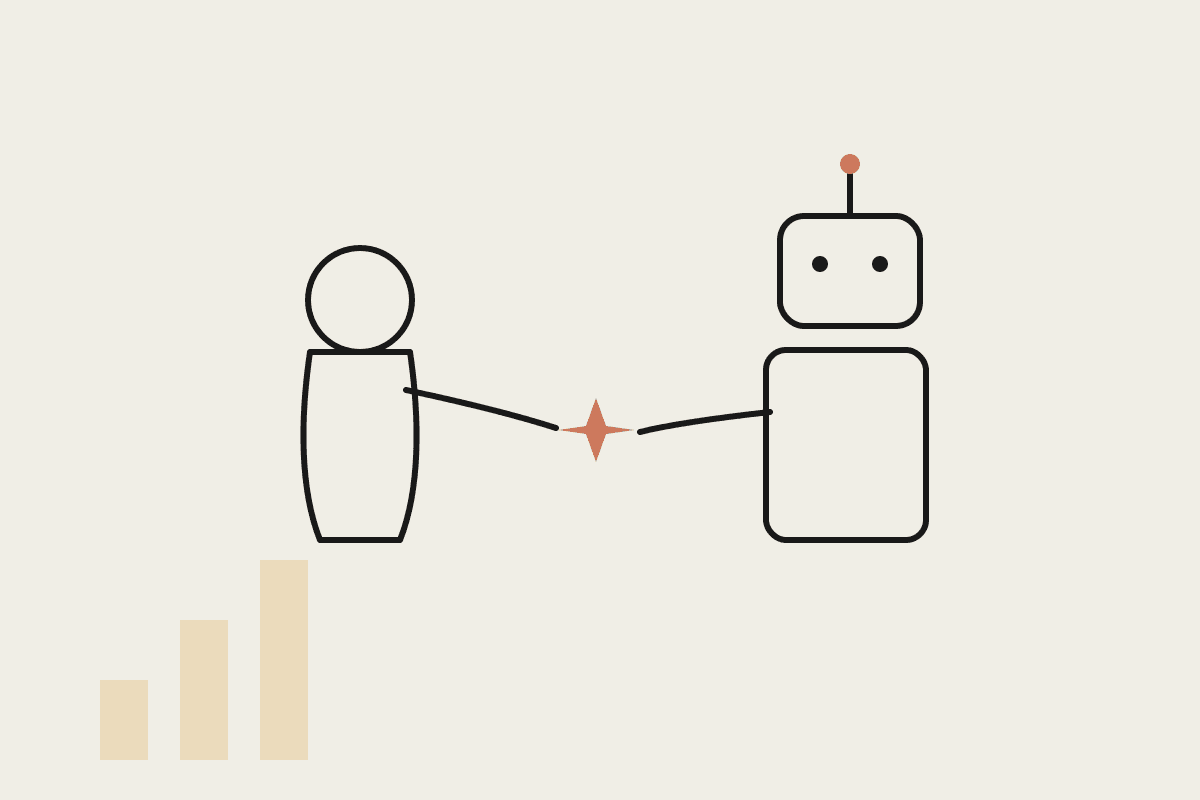
Each of those is preparation or admin. The judgement, the relationship and the negotiation stay with a person, which is both the ethical answer and the one that produces better results in practice.
Why skills plus scheduling is the useful pattern
A skill captures how your team does a particular piece of work, so the output matches your standards rather than a generic template. A scheduled task means it happens without someone remembering, which is the difference between a good idea and a working process.
Together they turn ad-hoc AI use into something closer to an operating rhythm: a morning brief that is already prepared, drafts waiting for review, a CRM that is current because updating it stopped depending on discipline at five o'clock on a Friday afternoon.
Translating it to a small Australian team
The mechanics scale down more cleanly than you would expect. A three-person sales team gets the same benefit from an automated pre-call brief as a large one, and arguably more, because nobody is dedicated to preparation.
Start with the single task your team most often skips when busy. In most Australian SMBs that is either post-call CRM notes or pre-call research, and both are entirely mechanical work with no judgement in them.
What it is worth
A salesperson on a fully loaded $130,000 a year spending ninety minutes a day on research, note-taking and CRM upkeep is spending roughly $24,000 of that on admin. Halving it across a team of four recovers close to $48,000 a year of selling time.
The compounding effect matters more than the number. Better-prepared calls convert at a higher rate, and a CRM that is actually current makes every forecast and follow-up decision downstream better than it would otherwise have been.
Draft, never send
Outbound is where this needs a firm rule. Automated research and drafting is legitimate and useful; automated sending at volume is how a business ends up with a damaged domain reputation and an uncomfortable conversation about spam.
Australian businesses also have the Spam Act to consider, which requires consent, accurate sender identification and a functional unsubscribe on commercial electronic messages. A human approving each send is the simplest way to stay clearly on the right side of that.
The CRM is the constraint
Every one of these workflows reads from or writes to your CRM, so its state sets the ceiling. If deal stages mean different things to different people and half the records are incomplete, automation will produce confident output built on that.
Tidying the CRM first is unglamorous and it is the actual first project. It also pays for itself independently, which makes it easier to justify than an automation programme nobody has seen working yet.
Where it goes wrong
Generic personalisation is the most common failure. Research that produces a paragraph anyone could have written adds length without adding relevance, and recipients spot it immediately.
The test is whether the opening line could plausibly have been sent to another company. If it could, the research step is not earning its place and the honest fix is fewer, better-targeted approaches rather than more of them.
A sensible order to build it in
Post-call write-ups first, because the value is immediate and nothing leaves the building. Pre-call briefs second, since they depend on the notes being decent. Outbound drafting last, once the team trusts the output.
Doing it in that order means every stage is built on data the previous one improved. Starting with outbound, which is the tempting option, means drafting from a CRM that nobody has been maintaining.
What not to conclude
This does not replace salespeople and the published account does not claim it does. It removes the preparation and administration around selling, which is a different proposition from the one usually pitched with these case studies.
Nor does a large organisation's setup transfer directly. Anthropic's team has engineering support and volume that most Australian SMBs do not. Take the pattern, skills plus scheduling plus a human on every outbound message, and implement it at the scale you actually operate at.
If your sales team is losing hours a day to research and CRM upkeep, book a short call and we will look at which parts are safely automatable.
Keep going
For the full setup path, see the Claude Cowork setup guide. Related on this topic: