Running an online store means three separate admin streams competing for the same person's attention: orders that need processing, returns that need approving, and suppliers that need chasing when stock runs low. Most small ecommerce operators handle all three from memory and a shared inbox, which works until order volume grows past what one person can track by feel.
The three streams, separated
Order processing, returns handling and supplier communication each have their own rhythm and their own failure mode. Orders fail quietly when a shipping confirmation never goes out. Returns fail loudly when a customer chases a refund that got buried in an inbox. Supplier chasing fails slowly, a low-stock alert nobody actioned until the bestseller is out of stock for a week. A Claude Cowork setup treats these as three connected but distinct workflows rather than one undifferentiated pile of admin.
What gets automated
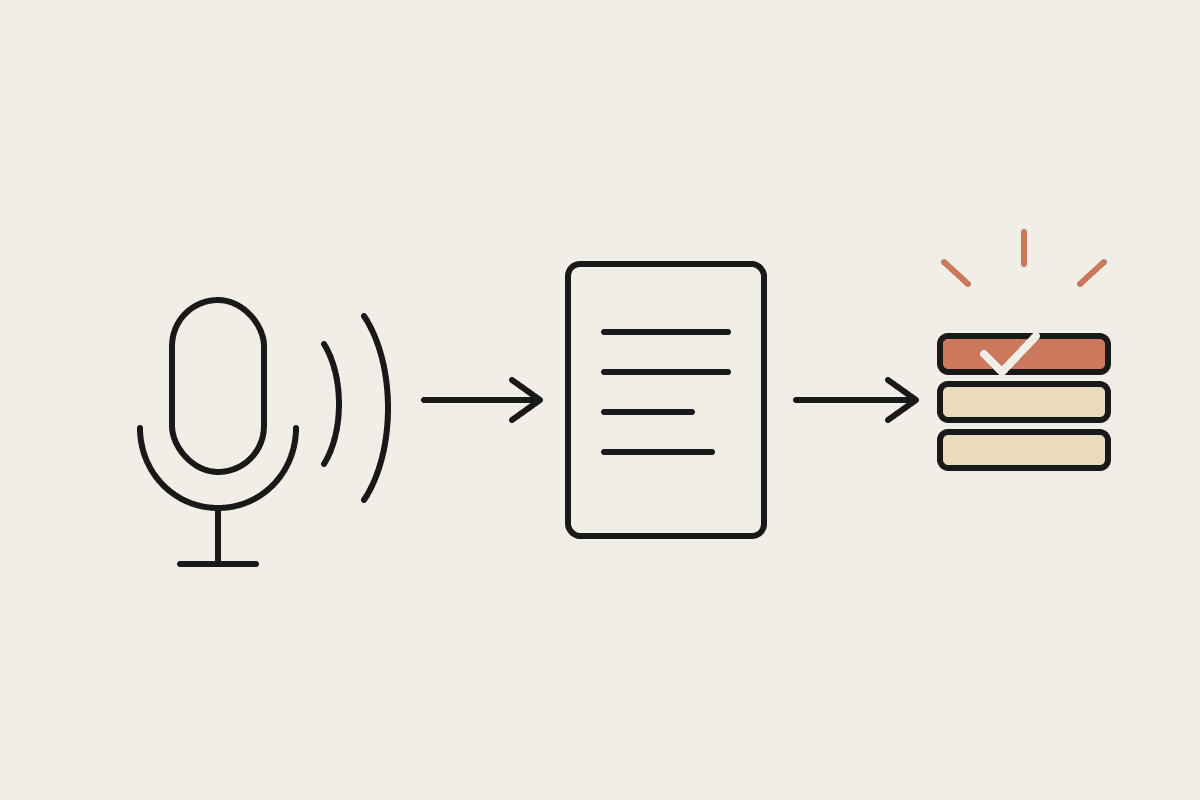
Order confirmation and shipping-update emails drafted and sent automatically once a courier tracking number is available
Return requests triaged against your policy, approved automatically within policy, flagged for a human when a request falls outside it
Low-stock alerts that draft a reorder email to the relevant supplier, queued for approval before it sends
A weekly ops summary: orders processed, returns approved versus flagged, and any supplier reorders still outstanding
Where the line sits
Returns outside policy, a customer wanting a refund past the return window, or a product returned without its original packaging, should always route to a person. The same goes for supplier negotiation; Claude can draft the reorder request, but agreeing new terms or chasing a genuinely overdue delivery needs a relationship, not a template. The automation's job is clearing the routine 80% so a person has time for the 20% that needs judgment.
A worked example
A Melbourne homewares store processing around 200 orders a week automated order confirmations and standard returns triage first, keeping supplier communication manual for another two months until the pattern proved reliable. The owner estimated the two automated streams saved close to 8 hours a week of admin time, worth roughly $16,000 a year at a modest $40 hourly rate, freed up for product sourcing and marketing instead of inbox triage.
Getting returns triage right
The riskiest piece to automate is returns approval, because getting it wrong either costs money (approving something that shouldn't qualify) or damages trust (rejecting something that should have been approved). Start with automatic approval only for the clearest cases, unopened items within the return window, and route everything else to a person until you've built enough confidence in the pattern to widen it.
Supplier chasing without losing the relationship
A drafted reorder email still needs a person's name on it and a tone that matches how you actually talk to that supplier. Treat the draft as a starting point the account owner personalises before sending, especially with suppliers you've built a relationship with over years; a robotic-sounding reorder request from a long-standing partner can read as a step backward even when the underlying process got faster.
A quick audit you can run today
Check how many of last week's return requests sat unanswered for more than 24 hours. If it's more than one or two, that's the gap costing you the most in customer trust right now, and it's usually the easiest of the three streams to fix first.
What this isn't
This isn't a replacement for your ecommerce platform or inventory system; it sits on top of whatever you already run (Shopify, WooCommerce, or similar) rather than replacing it. It's also not a way to avoid genuine customer service, the automation handles the routine cases so a person has time for the ones that need real attention.
Getting started
Start with order confirmations; it's the lowest-risk automation and the easiest to verify is working correctly
Write down your actual returns policy in enough detail that automatic approval logic can follow it
Set low-stock thresholds per product, not one blanket number across your whole catalogue
Review the weekly ops summary for the first month before trusting any stream unattended
None of these three streams needs to launch at once. Most stores get the best result starting with whichever one is currently causing the most customer complaints, usually returns, proving it out over a few weeks, then adding the next stream once the first is running reliably without close supervision.
If order, return and supplier admin is eating time you'd rather spend growing the store, that's exactly what we help ecommerce businesses fix and set up properly from day one, with the guardrails built in rather than bolted on afterwards. Get in touch: https://www.automataai.com.au/contact
Related reading
The end-to-end walkthrough lives in our Claude Cowork setup guide. Closest neighbours to this piece: