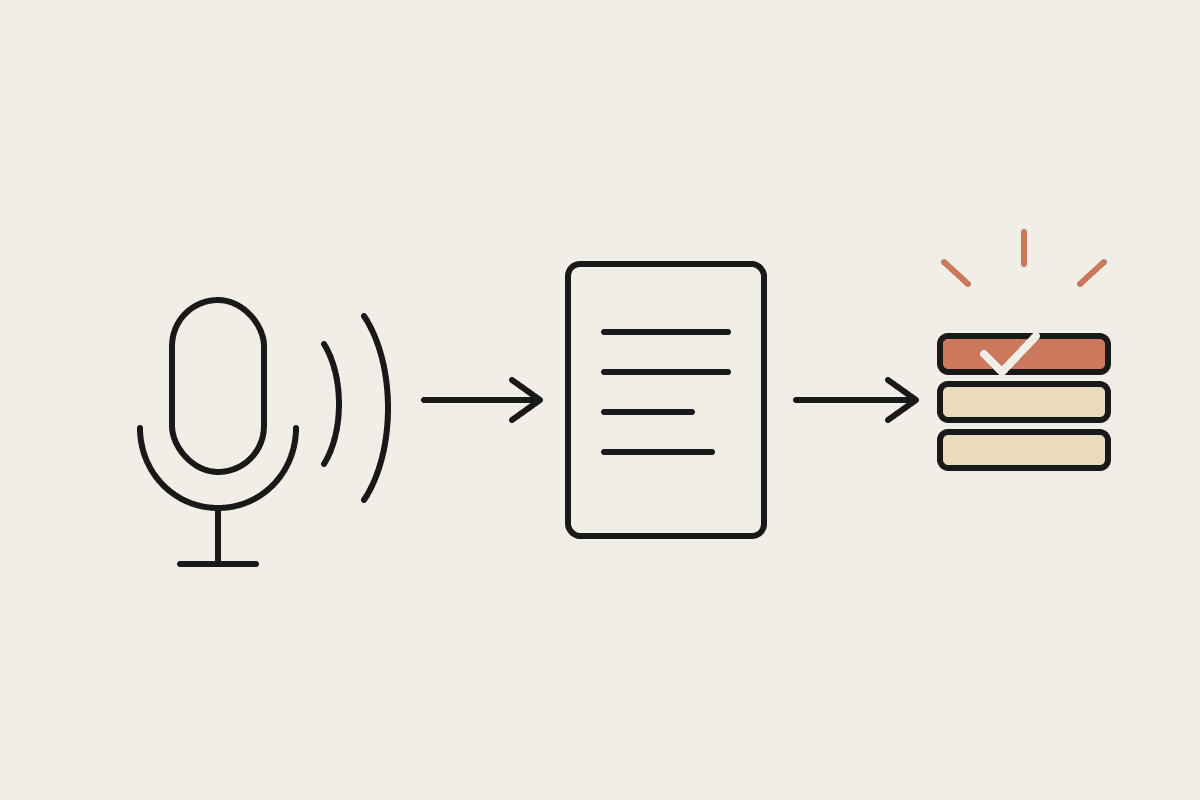
Event businesses run on two parallel documents that have to stay in sync: the run sheet, timing every element of the day, and the supplier chain, everyone from the caterer to the AV crew to the florist, who all need to know their piece of that timing and any change to it. When a run sheet updates and the suppliers don't hear about it, that's how an event goes sideways in front of a client.
Where the coordination actually breaks
A run sheet is easy to build once. The hard part is keeping every supplier's copy current as the inevitable changes happen, a ceremony start time shifts twenty minutes, a delivery window moves, a headcount changes late. Each change needs to reach every affected supplier, and manually re-notifying six different businesses every time something shifts is exactly the kind of task that gets missed under event-week pressure.
What Cowork tracks and drafts
A single source-of-truth run sheet that updates from a shared planning document or calendar, rather than five separate versions living in different inboxes
Automatic supplier notifications when a timing element affecting their delivery changes, drafted for a quick review before sending
A day-before confirmation round: a short message to every supplier confirming their slot, contact on-site, and any final details
A day-of contact sheet compiled automatically, everyone's number and arrival time in one place for whoever's running the event
Why supplier tone matters here specifically
Event suppliers are often small operators themselves, a florist, a musician, a hire company, juggling multiple bookings on the same weekend. A notification that reads as an automated blast rather than a considered update can damage a relationship that matters for the next booking too. Draft supplier messages with the same care as client communications, not as an afterthought.
A worked example
A Sydney event planning business running 15-20 events a month automated run-sheet-change notifications to suppliers, previously handled by a coordinator manually messaging each affected supplier whenever a timing change came through. The coordinator estimated this saved close to five hours a week during peak season, worth roughly $10,000 a year in reclaimed time, while also cutting the rate of suppliers arriving with outdated timing information to effectively zero over one season.
Handling the last-minute changes
Event-day changes, a delayed arrival, a weather call, a client request, need faster handling than the standard drafted-and-reviewed flow allows. Build a separate, lighter-weight path for day-of changes: a quick group message to on-site suppliers rather than the full formal notification sequence used for changes made days in advance.
Keeping the client's view simple
None of this coordination complexity should surface to the client. Their view stays a clean, high-level timeline; the granular supplier-facing run sheet with every logistics detail is a separate document. Mixing the two tends to overwhelm a client with information they don't need and shouldn't have to manage.
Building a supplier database that pays off over time
Once the notification workflow is running, the same supplier list becomes a genuinely useful record: who was reliable, who was hard to reach on the day, who's worth booking again first. That record compounds in value across seasons in a way a scattered inbox of past bookings never does.
A quick audit you can run today
Check your last three events for how many times a supplier arrived with outdated timing information, or had to call to confirm a detail that had already changed. That number is a fair proxy for how much coordination is currently happening manually rather than reliably.
What this isn't
This isn't a replacement for a genuinely experienced event coordinator's on-the-day judgment, weather calls, vendor relationship issues and client anxiety all still need a person managing them directly. It's the coordination layer that keeps everyone informed so the coordinator's attention goes to those judgment calls instead of repetitive messaging.
Getting started
Build one source-of-truth run sheet format you'll use consistently across events
Map which suppliers need to know about which categories of change
Set up a day-before confirmation round as the first automated piece
Keep a faster, lighter path for genuine day-of changes separate from the standard flow
Event businesses that get this coordination layer right tend to describe the biggest change as calmer event weeks, not necessarily faster ones. The work still happens, it just happens with fewer last-minute scrambles caused by someone not getting the memo.
That calm is worth more to most event teams than the raw hours saved, because event week burnout is a genuine retention problem in an industry that already runs lean on weekends and evenings.
If supplier coordination is eating your team's attention during event week, that's exactly what we help event businesses fix. Get in touch: https://www.automataai.com.au/contact
Related reading
The end-to-end walkthrough lives in our Claude Cowork setup guide. Closest neighbours to this piece: