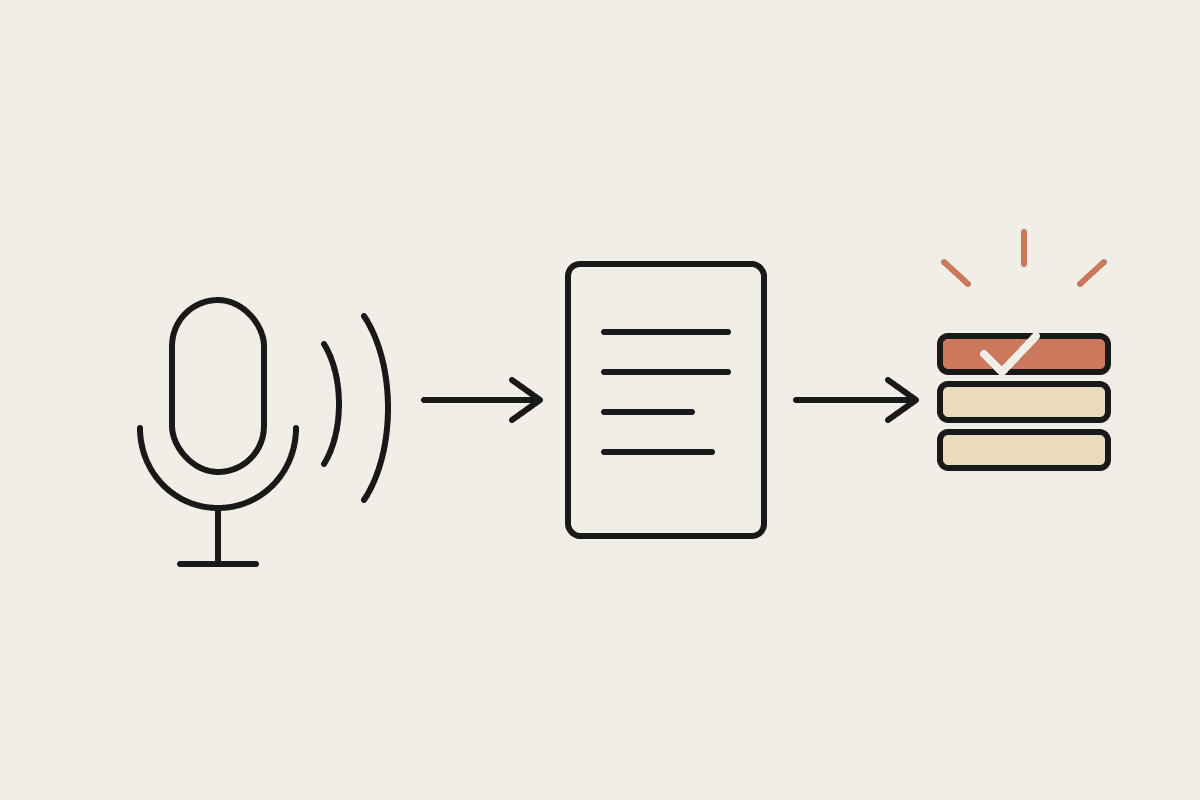
A sole trader doesn't have a back office, they are the back office, on top of being the one doing the billable work. Every hour spent on invoicing, chasing payment or reconciling receipts is an hour not spent on the work that actually generates income, and there's no one else to hand the admin to.
The specific squeeze of running solo
Employees at a larger business have colleagues to cover for them and defined hours for admin. A sole trader has neither, admin happens in whatever gap exists between client work, usually evenings or weekends, at exactly the time energy for careful, error-free paperwork is lowest. That's when invoices go out with mistakes, or don't go out at all until someone notices they haven't been paid.
What a one-person Cowork back office covers
Draft and send invoices the day work is completed, not whenever there's a spare evening
Chase overdue payments on a set cadence without it depending on remembering who owes what
Sort receipts and expenses into categories as they come in, ready for quarterly BAS or year-end
Draft client follow-ups and check-ins, keeping the relationship warm between active jobs
What still needs the sole trader's own judgment
Pricing a new job, deciding whether to take on a difficult client, and any genuinely tricky client conversation still need the person who runs the business. The value of automating the back office isn't replacing that judgment, it's making sure the routine admin doesn't eat the hours that judgment needs, and that nothing slips because there was nobody else to catch it.
A worked example
A Perth freelance graphic designer running solo was spending an estimated six to eight hours a month on invoicing, payment chasing and expense sorting, almost entirely on weekends. Automating invoice drafting and payment reminders freed most of that time, worth roughly $3,500 a year in reclaimed billable capacity at her standard hourly rate, on top of noticeably reducing how often she was chasing her own overdue invoices past 60 days.
Setting up without an IT department
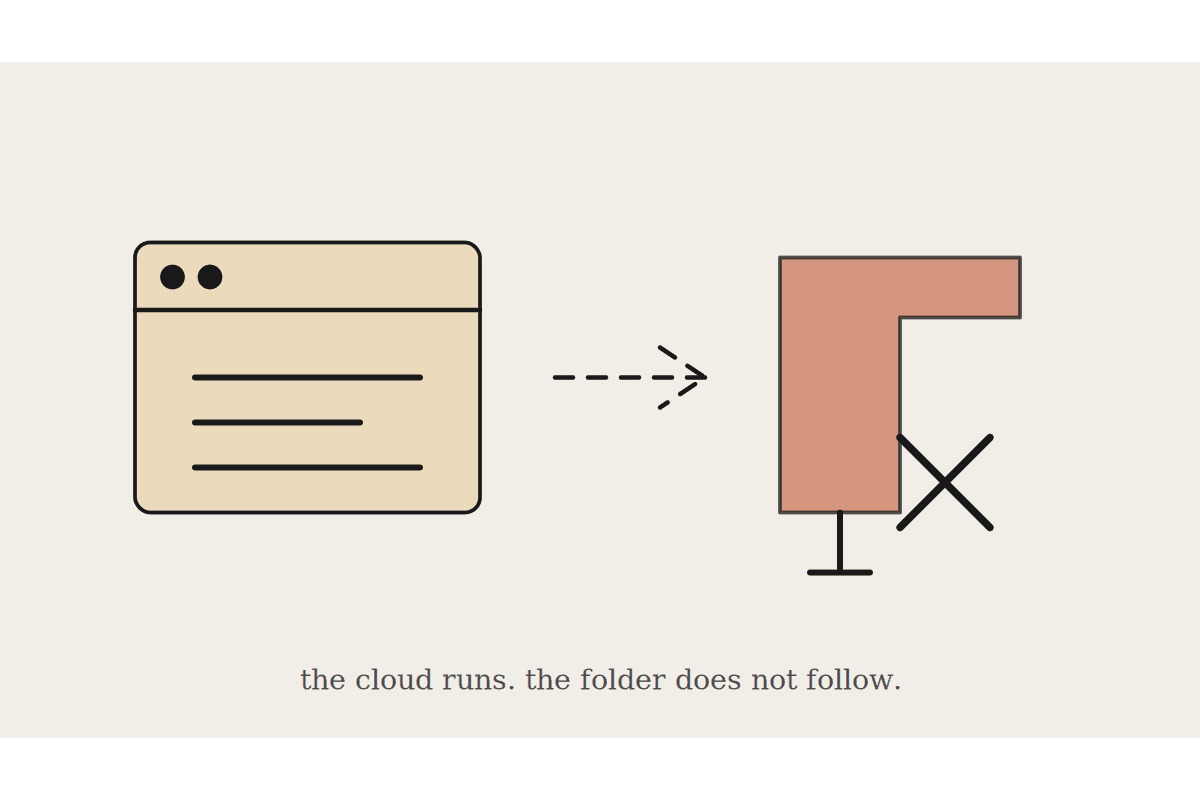
Sole traders often assume this kind of setup needs technical skill they don't have. In practice, connecting Cowork to Xero or a similar accounting platform, and to email, is a guided setup that takes an afternoon, not a project requiring outside technical help beyond the initial configuration.
Keeping the trust-but-verify habit
Even with invoicing and reminders running automatically, a sole trader should still glance at what's queued each week rather than fully hands-off. Fifteen minutes on a Friday to check what went out and what's still pending is enough to catch the rare mistake before it becomes an awkward client conversation.
Why solo operators hesitate longer than they should
Sole traders often delay setting this up because it feels like a project for a slower month that never arrives, the same trap that keeps admin unwritten in any business. The setup itself is genuinely small, an afternoon at most, and the payback starts the same week rather than requiring a long ramp-up.
A quick audit you can run today
Track exactly how many hours you spent on invoicing, payment chasing and expense sorting last month, most sole traders underestimate this until they actually time it. That number is the honest starting point for deciding what's worth automating first.
What this isn't
This isn't a bookkeeper or accountant replacement, particularly around BAS lodgement and tax positions, which still need a qualified professional's sign-off. It's the layer that keeps the routine admin moving so the professional relationship, and the billable hours, stay the priority. It also isn't a way to avoid learning the basics of your own numbers, a sole trader still needs to understand roughly where the business stands each quarter.
Getting started
Start with invoicing, it's the highest-value, lowest-risk piece to automate first
Connect your accounting platform so drafts pull real client and job data
Add payment-chasing reminders once invoicing is running reliably
Keep a weekly fifteen-minute check-in on what's queued, even once it's automated
The hardest part for most solo operators isn't the technology, it's giving themselves permission to stop doing admin by hand once there's a reliable system for it. That mental shift tends to matter as much as the setup itself.
A useful way to think about it: every hour spent reconciling receipts on a Sunday night is an hour not spent finding the next client or improving the actual craft the business is built on. The trade is rarely close once it's written down plainly.
If admin is eating the hours you'd rather spend on paid work, that's exactly what we help solo operators fix. Get in touch: https://www.automataai.com.au/contact
Where to go next
If you are setting Cowork up from scratch, start with Claude Cowork setup guide. Two pieces that sit closest to this one: