Anthropic opened a Life Sciences Verification Program (LSVP) in September 2026, giving verified biotech, pharma and research teams access to Claude Mythos, Opus and Sonnet with safeguards specifically relaxed for legitimate biology work, the kind of drug discovery, clinical development and manufacturing research that generally available Claude models are built to decline.
What the Life Sciences Verification Program Actually Changes
Frontier models carry broad biosecurity safeguards by default, because the same model that helps a pharmacology team understand a mechanism of action can, in principle, be misused. For an Australian biotech spending $180,000 a year or more on a research team's tooling budget, a refused prompt mid-project is not a safety win, it is a lost afternoon and a frustrated scientist. The LSVP is Anthropic's attempt to separate the two cases properly, by verifying who is asking rather than guessing from the question alone.
How Do You Actually Get Access to Claude's Life Sciences Verification Program?
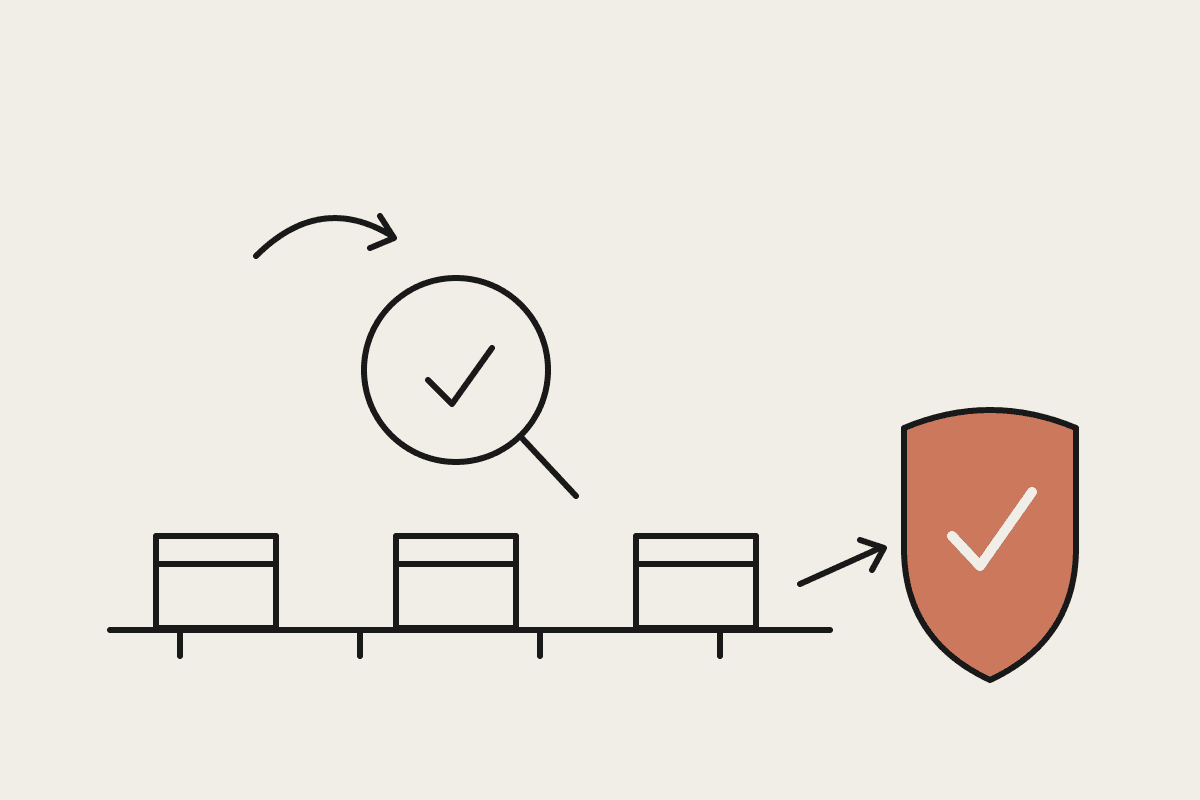
You apply through Anthropic, and a verification review checks your research credentials, security standards and ethical oversight before either grant type is issued; there is no self-service toggle. Once verified, a Standard Use grant covers a whole team's day-to-day work and renews annually, while a High-Risk Use add-on covers one specific project with genuine dual-use exposure and renews every six months. Both are available across Claude Science, Claude.ai, Claude Code and the API, so an already-running Claude workflow does not need to be rebuilt.
Standard Use vs High-Risk Use: What Australian Teams Should Know
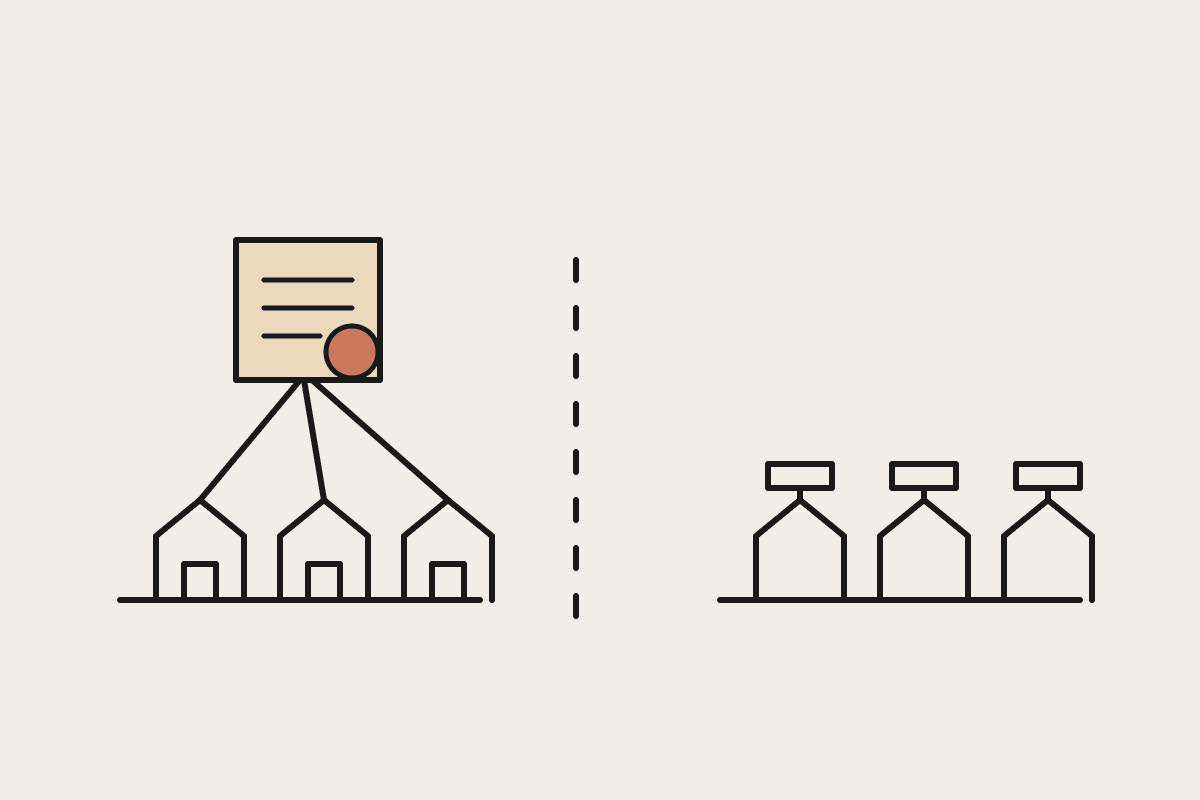
Standard Use is issued to the whole team and covers most day-to-day biology R&D, manufacturing, quality assurance, regulatory and investment-diligence work.
High-Risk Use is scoped to a single named project with a genuine dual-use profile, such as characterising how a specific viral vector interacts with immune pathways.
High-Risk Use removes safeguards entirely for that one project only, it does not open the door for unrelated biology questions from the same account.
Both grants sit on top of your existing Claude Science, Claude.ai, Claude Code or API access rather than replacing it.
Comparing the two Life Sciences Verification Program grant types
| Feature | Standard Use | High-Risk Use |
|---|---|---|
| Scope | Whole verified team | One named project |
| Renewal | Annual | Every six months |
| Typical work | R&D, QA, regulatory, diligence | Genuine dual-use biology |
| Safeguard change | Refined, still present | Fully removed for that project |
What This Means If You're Already Running Claude in an Australian Lab
If your team has been working around refusals with careful prompt phrasing, or has avoided Claude for biology work entirely because of it, the practical move is to apply for verification before you need it, not mid-project. Anthropic's own review process takes real time, and being blocked on a genuine research question because the paperwork was never started is an avoidable delay. For a research organisation weighing this up, it is worth treating the application the way you would treat an ethics committee submission: get the credentials and oversight documentation ready first, then apply.
Confirm whether your work is genuinely Standard Use or whether a specific project needs the High-Risk tier before you apply for the wrong one.
Loop in whoever owns research governance at your organisation early, since the verification review checks the same things an ethics board typically wants documented anyway.
Budget the time, not just the cost: verification review is the bottleneck, not pricing.
Where This Leaves Claude Against Other Life Sciences AI Options
Anthropic is not the only lab chasing this use case; competitor labs have their own life-sciences positioning, and the honest comparison for an Australian buyer is less about which model is smarter on a benchmark and more about which access model your research governance team can actually sign off on. A formal, tiered, verified program like the LSVP gives a research director something concrete to show a board or an ethics committee, which matters more in practice than most people expect when a project is under time pressure.
There is also a quieter benefit worth naming: verification paperwork that already exists for one purpose tends to get reused. An Australian biotech that has already documented its security standards and ethical oversight for an internal audit, or for a grant application, is most of the way to a Standard Use submission before it starts. The teams that struggle are the ones treating this as a purely technical unlock rather than a governance process with a technical payoff at the end. Budgeting a week or two of lead time for the review, rather than assuming same-day access, avoids the most common source of frustration we hear about from research teams evaluating this.
If your organisation is deciding whether Standard or High-Risk access fits a specific project, or whether Claude's overall setup is the right base for a life-sciences research program, that is worth scoping properly with someone who has actually run this kind of Claude rollout for an Australian team. You can see how we approach that on our services page, or get in touch directly if you want a second opinion on a specific application before you submit it.