In early October 2026, a member of our Circle community posted a short note about a weekend project. He is a parent, not a video producer, and he wanted his kids to learn about historical leaders, starting with figures from his own Indian heritage and working outwards. By Sunday night he had a YouTube channel, a first video live, and a list of the next ones. He called it rough. He also called it the first thing that had made the idea feel doable.
He built it with Claude Opus 5.5. Nothing about the channel is a business case, and that is what makes it useful to look at. It shows, at small scale, how the work splits between a capable model and one person with a clear goal, which is the same split every Australian business is trying to get right.
Can one person really build a content pipeline with Claude in a weekend?
Yes, for a first version. One person with a clear audience, a narrow topic and a few hours a day can use Claude Opus 5.5 to research, outline, script and plan a short educational video series in a weekend. What they get is a working pipeline and a first episode, not a polished channel. The polish still takes human time.
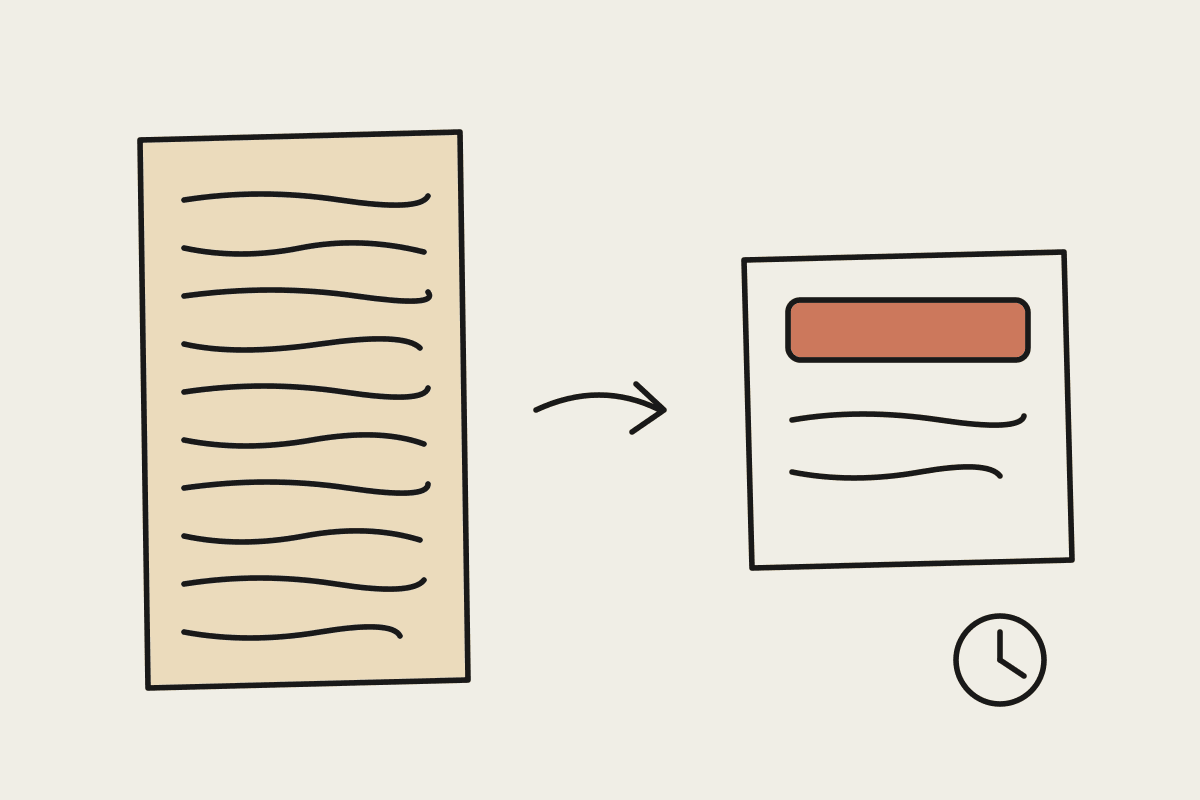
The difference from a year ago is not that Claude writes better paragraphs. It is that a single session can carry a project from a vague idea to a repeatable process: a format, a script template, a checklist for each episode and a plan for the next ten. We covered what changed in the model itself in our Opus 5.5 overview for Australian businesses.
What Claude most likely handled
The community post was short on detail, so the list below is the typical division of labour we see when people build content projects like this, not a transcript of what he did. It matches how most first builds go.
Turning a broad idea (history for kids) into a series structure with an order, a running length and a repeatable episode shape.
Drafting scripts at a reading level that suits primary school children, then rewriting them shorter when they ran long.
Suggesting visual cues for each scene, so the video tool or the editor knows what to show when.
Producing titles, descriptions and chapter markers for each upload.
Keeping a running document of decisions, so episode five sounds like episode one.
None of these tasks is hard on its own. Together they are the reason most side projects stall in week one. Claude removes the blank-page cost of each step, which is where most of a solo builder's energy goes.
Where the human still did the real work
The parts that mattered most stayed with the parent. He chose whose stories to tell and in what order, which is an editorial judgement about values, not a writing task. He checked the history. A model can state a date or a quote with complete confidence and still be wrong, and a children's channel is exactly the place where that matters. He set the tone his kids would respond to, and he did the final edit.
That split is worth naming because businesses often get it backwards. They hand Claude the judgement calls and keep the drudgery for staff. The weekend channel worked because the builder did the opposite.
| Task | Claude Opus 5.5 | Person | Time if done by hand |
|---|---|---|---|
| Series plan and episode order | Drafts options | Picks and orders | Half a day |
| Scripts for first episode | Writes and trims | Edits for tone | One day |
| Fact checking | Flags claims to check | Verifies sources | Half a day |
| Titles, descriptions, chapters | Writes | Approves | Two hours |
| Final video edit | Suggests cuts | Does the edit | One day |
What an Australian small business can take from this
Swap the kids' channel for a Sydney physio clinic, a Brisbane trades business or a Melbourne accounting firm, and the same pattern holds. Each has content it knows it should publish and never does: patient guides, how-to videos, explainer posts for clients at tax time. The bottleneck is rarely knowledge. It is the hours between knowing something and getting it out in a usable form.
As an illustrative example, say a practice manager spends six hours a week on newsletters, social posts and client guides. At a loaded cost of $55 an hour that is about $17,000 a year. If a set-up like the parent's cuts the drafting and formatting by two thirds, the saving is roughly $11,000 a year, and the content actually ships. Those figures are a sketch, not a promise; try your own numbers in our ROI calculator.
There is a second, quieter benefit. Once the process is written down as a template and a checklist, someone else on the team can run it. That is the difference between a weekend experiment and a workflow. Our list of Claude Cowork workflows for a solo operator shows several that started exactly this way.
Where it goes wrong
The failure modes are predictable. People skip the fact check because the draft reads well. They publish under a business name without a review step, which matters for anything touching health, finance or advice regulated by ASIC or covered by the Privacy Act. And they treat a weekend build as finished, when it is really version one of a process that needs a few weeks of use to settle. A short weekend sprint works best when the scope is small; we saw the same in clearing documentation debt with Claude Code in a weekend.
How to run your own one-weekend build
Pick one piece of content your customers keep asking for. Write down who it is for and what they should be able to do after reading or watching it. Ask Claude to propose a structure, argue with it, then lock it in a template. Draft one item end to end, check every fact yourself, and publish it. Only then decide whether to make the next ten.
If you would like help setting up Claude Code or Cowork so your team can run this kind of build on its own content or workflows, book a short call with us or see how we work with Australian businesses.