Two things happened at once: a new frontier Claude model arrived, and the open-weight field had its most crowded few months yet. For Australian buyers the interesting question is not which side wins. It is that the gap between them now varies enormously by task, which makes a blanket decision about your AI stack the wrong shape of decision.
What the pairing actually signals
Frontier models keep extending on the hard end: long multi-step work, reliable tool use, judgement under ambiguity. Open-weight models keep closing the gap on the commodity end: classification, extraction, summarisation, straightforward drafting.
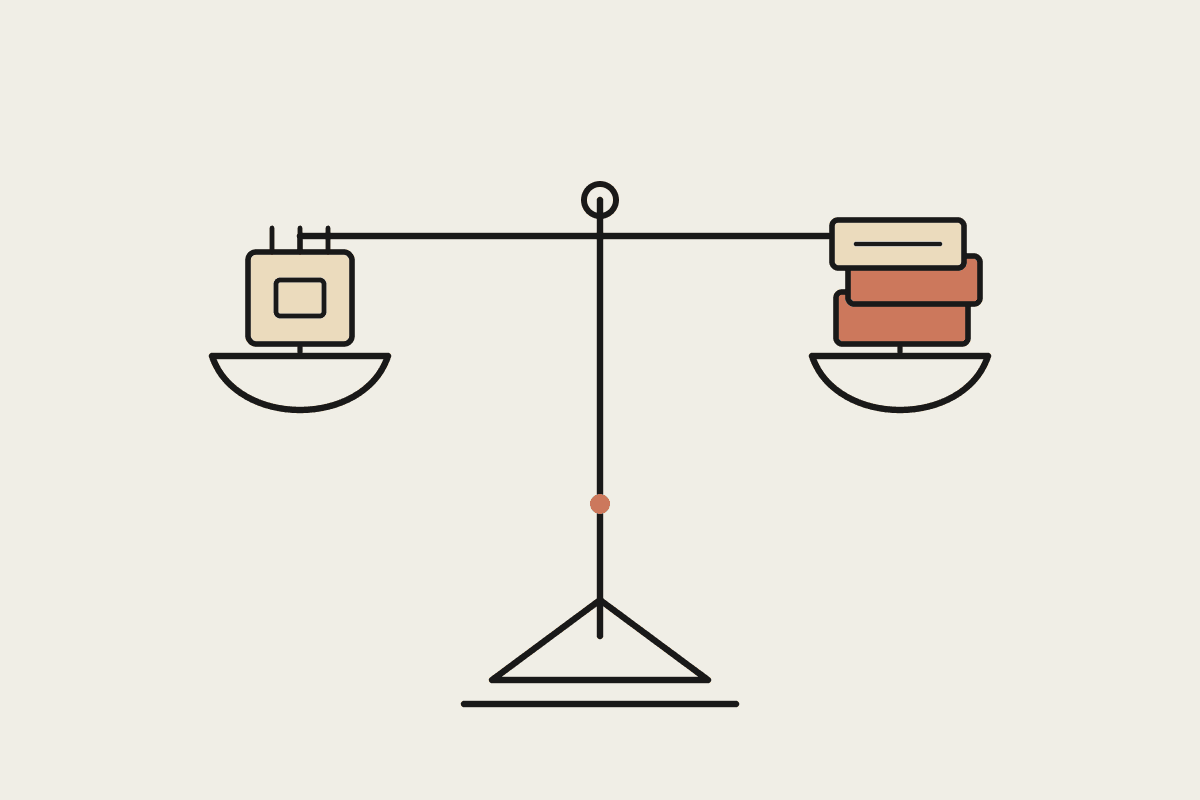
The practical consequence is that the two are becoming complements rather than substitutes. The businesses spending sensibly are running the bulk of their volume on something cheap and the work that carries consequences on something strong, and the line between those two categories is the decision worth spending time on.
Where open weights genuinely win
High-volume, low-judgement processing where per-token cost dominates
Workloads with a hard requirement to run inside your own infrastructure
Cases where you need the model to stay fixed for years, with no vendor-side changes
Experimentation, where the ability to inspect and modify matters more than raw capability
Notice that only one of those is about capability. The others are about control and cost, which is usually the honest reason an open-weight model is on the table at all.
Where they do not
Long agentic chains remain the clearest gap. Work that runs twenty steps, calls several systems and has to recover from its own mistakes is where frontier models still separate, and it happens to be exactly the category most businesses are trying to move into.
There is also a hidden cost that rarely makes the comparison. A self-hosted model is infrastructure you now own: capacity planning, updates, monitoring, someone on call. For a mid-sized Australian firm that is realistically $60,000 to $150,000 a year in engineering time before a single token is generated.
The decision most buyers should actually make
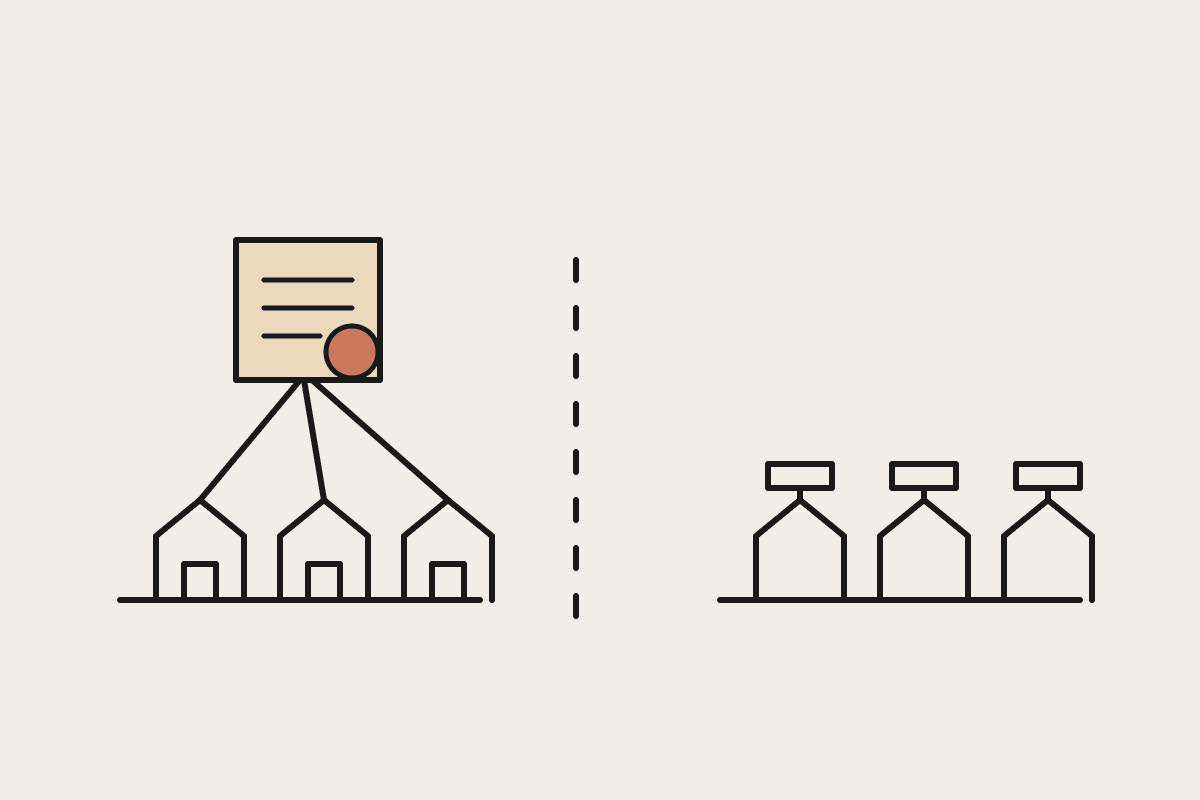
Not "open or closed" but "which workloads, on what, and who owns the bill". Splitting traffic by task is boring, unfashionable, and produces better economics than committing wholesale to either camp.
It also keeps you portable. A business that has already routed work through a configurable layer can move a workload when pricing or capability shifts, which given how fast both are moving is worth more than any individual model choice.
What changes for a small business
Very little, honestly. If you have five people using Claude for drafting, research and admin, the open-weight wave is a story about infrastructure you do not run and costs you do not incur at that scale.
The threshold where it starts to matter is when inference becomes a real line item, or when a client or regulator asks where processing happens. Below that, chasing it is a distraction from work that would actually pay.
Sovereignty is a separate question
Open weights are often pitched as the answer to data residency, and they can be, but only if you are genuinely running them somewhere you control. Using an open-weight model through a hosted provider overseas gives you the licence freedom and none of the residency benefit.
If residency is the actual requirement, work backwards from where the processing happens rather than from the model's licence. The two questions get conflated constantly and they are not related.
How to test rather than read
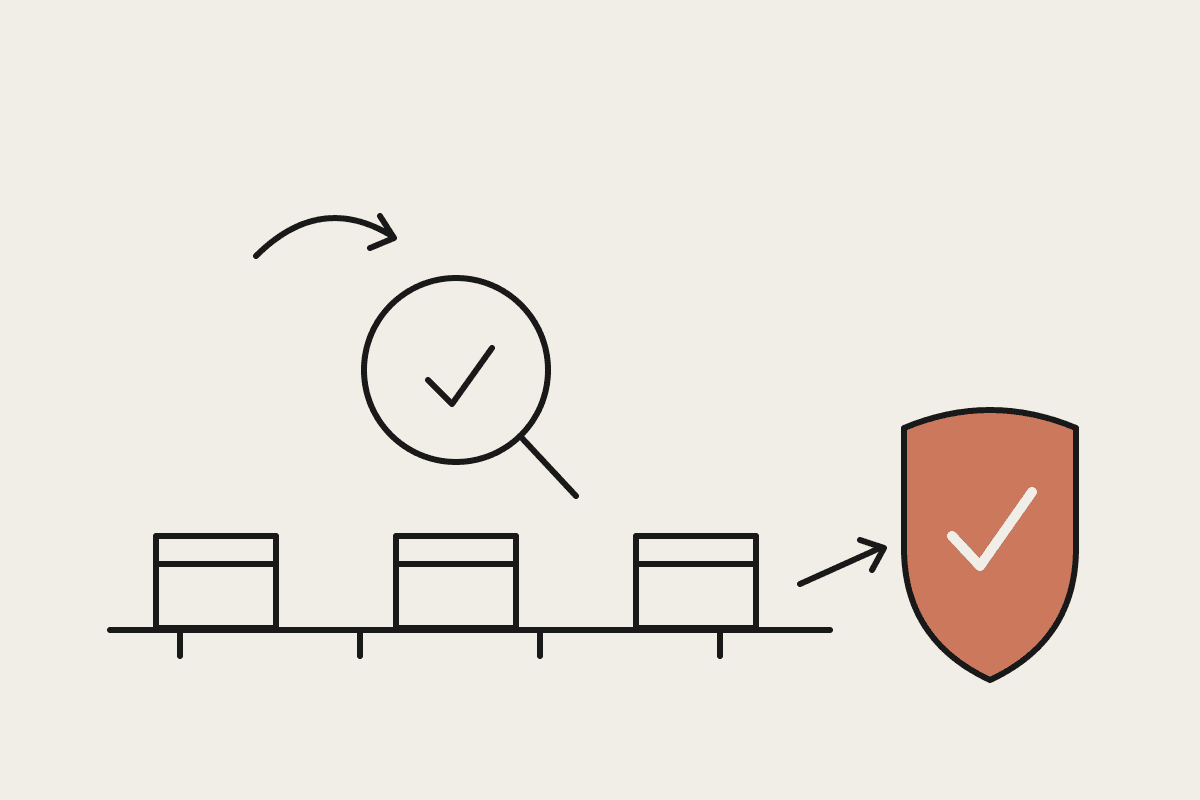
Comparison articles, this one included, cannot tell you how a model performs on your work. Build a small evaluation set of twenty or thirty real tasks with known good answers, and run any candidate against it.
It takes a day and it settles the argument permanently, including for the next release. Australian firms that have done this usually find the cheap model is fine for more of their work than they expected and clearly unfit for a narrow slice.
Licensing deserves a read, not an assumption
Open weight does not reliably mean open source, and several of the most capable releases carry conditions: usage thresholds, restrictions on training other models, naming requirements. Most Australian businesses will never hit those limits, but "most" is doing work in that sentence.
If a model is going into a product you sell rather than a process you run, have someone actually read the licence. It is twenty minutes against a commercial risk that is tedious to unwind later.
What not to conclude
A new frontier model does not obsolete what you have, and a strong open-weight release does not mean you should be self-hosting. Both announcements are inputs to a cost and risk decision, not reasons to rebuild.
Be especially wary of benchmark comparisons at this level. They measure something, rarely the thing you need, and the differences that show up in a leaderboard often disappear entirely on the tasks a business actually runs.
If you are trying to work out which of your workloads belong where, book a short call and we will look at the split rather than the leaderboard.