OpenAI announced this week that Dali Rajic, formerly President and COO of Wiz and previously of Zscaler and AppDynamics, is taking over as Chief Revenue Officer. He replaces Denise Dresser, the former Slack CEO appointed to the role only in December, less than a year ago. The change follows other recent departures at the top, including its COO and its AGI deployment lead.
None of this is unusual for a company scaling as fast as OpenAI, and it says nothing about the quality of their models. It is, though, a fair prompt to talk about a factor Australian businesses tend to underweight when they pick an AI vendor: organisational stability.
Capability isn't the only thing you're buying
When a business picks an AI provider for anything past casual use, a coding assistant, a customer-facing chatbot, a production automation, it is not just buying a model's benchmark scores. It is buying three things that rarely show up in a demo:
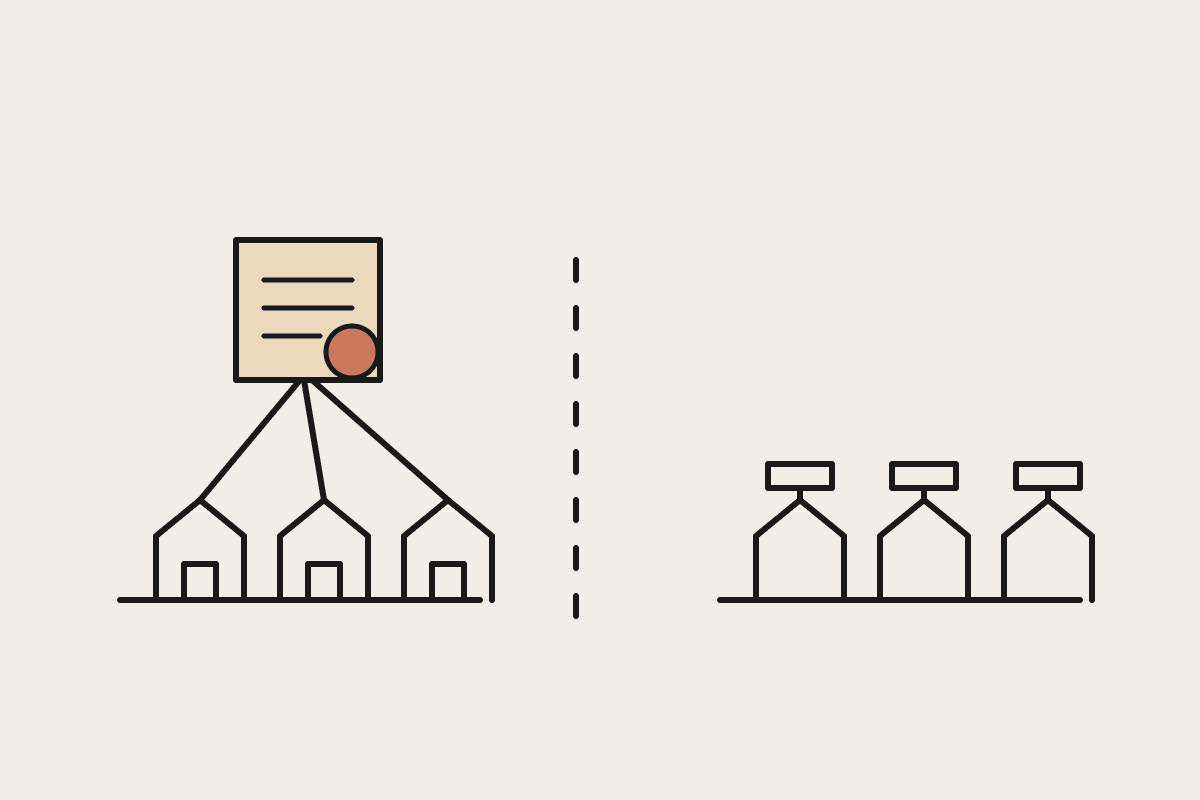
Continuity of support and account relationships. A revolving door in commercial leadership tends to show up downstream as changed pricing, changed enterprise terms, or a slower response when something breaks.
Predictability of product direction. Frequent senior changes are often a leading indicator of strategy shifts, not just a personnel story.
Who actually answers when you have a problem. For a small Australian business, the gap between a vendor with a stable enterprise relationship and one mid-reshuffle can be the difference between a same-week fix and weeks of silence.
A model you like today is only useful if the company behind it is still selling it, on terms you can live with, in two years. That is the part a benchmark cannot tell you, and it is exactly the part that senior commercial churn puts a question mark over.
What leadership churn looks like on your invoice
This is not abstract. When the commercial team at a vendor turns over, the people who signed off your pricing, your data terms and your support tier are often gone within the year. The next team reviews those terms with fresh eyes. A mid-market Sydney firm that wired a core workflow to a single vendor on a favourable early-adopter rate can find that rate quietly repriced at renewal, and the cost of moving off is not trivial. Re-integrating against a different provider, re-testing every workflow and retraining staff is rarely a weekend job; on contract developer rates it can run past $30,000 before you count the disruption. Stability is not a soft factor. It is the thing that decides whether your unit economics hold at renewal.
How to pressure-test a vendor's stability
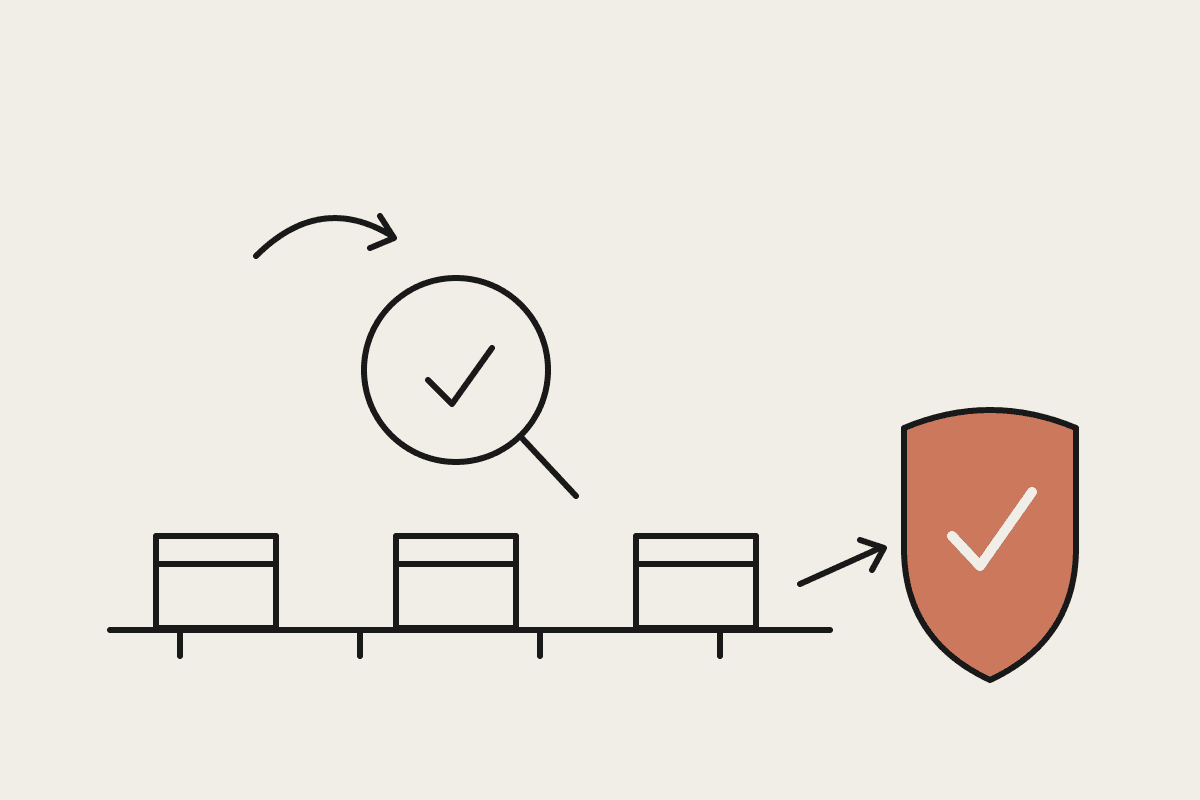
You cannot audit a vendor's org chart, but you can ask the questions that expose fragility before you commit budget:
Who is accountable for this relationship in twelve months, and what happens to our terms if they leave?
Is our pricing contractual for a fixed period, or subject to review at the vendor's discretion?
How portable is our setup if we had to move, and how long would that realistically take?
Does the product roadmap depend on one leader's strategy, or on published, stable commitments?
Where Claude's approach fits
Anthropic has run a comparatively steady commercial course, and Claude's tooling is built so the model underneath can improve without your integration breaking. That stability matters most for Australian firms with compliance obligations under the Privacy Act or oversight from APRA or ASIC, where a mid-contract change of terms or support posture is a real operational risk, not just an annoyance. The point is not that OpenAI's models are weak; they are strong. It is that when you commit real budget, continuity belongs on the scorecard next to benchmarks and price.
The counterargument worth stating
There is a fair rebuttal here: fast-scaling companies reshuffle leadership all the time, and it rarely reaches the customer. Plenty of businesses have run on OpenAI through every one of these changes without a hiccup, and a stable org chart is no guarantee of good service either. All true. The point is not that churn predicts failure; it is that continuity is a real variable you can price, and most buyers leave it off the sheet entirely. Weight it sensibly alongside capability and cost, do not treat it as a veto.
For an Australian business, the practical version of this is simple. Before you wire a core process to any single vendor, know what your exit looks like, what your terms are contractually worth, and who picks up the phone when something breaks at month nine. Answer those and a leadership reshuffle becomes a headline you can read calmly, rather than a risk sitting quietly inside your stack.
Worth asking any vendor, including us: who is actually accountable for this relationship a year from now. Book a session if you want help weighing vendor stability alongside capability before you commit budget.