Anthropic has confirmed that future Claude models will generate text carrying an invisible watermark, a pattern in Claude's word choices that lets anyone with the right key check whether Claude was involved in writing it. The change rolls out to comply with the EU AI Act, which as of 2 August 2026 requires AI providers serving that market to mark AI-generated content. Other major model makers have signed the same code of practice and are shipping their own versions.
For Australian businesses publishing Claude-assisted content, marketing copy, reports, client emails, blog posts, the mechanics are worth understanding before a client or regulator asks about them.
How it actually works
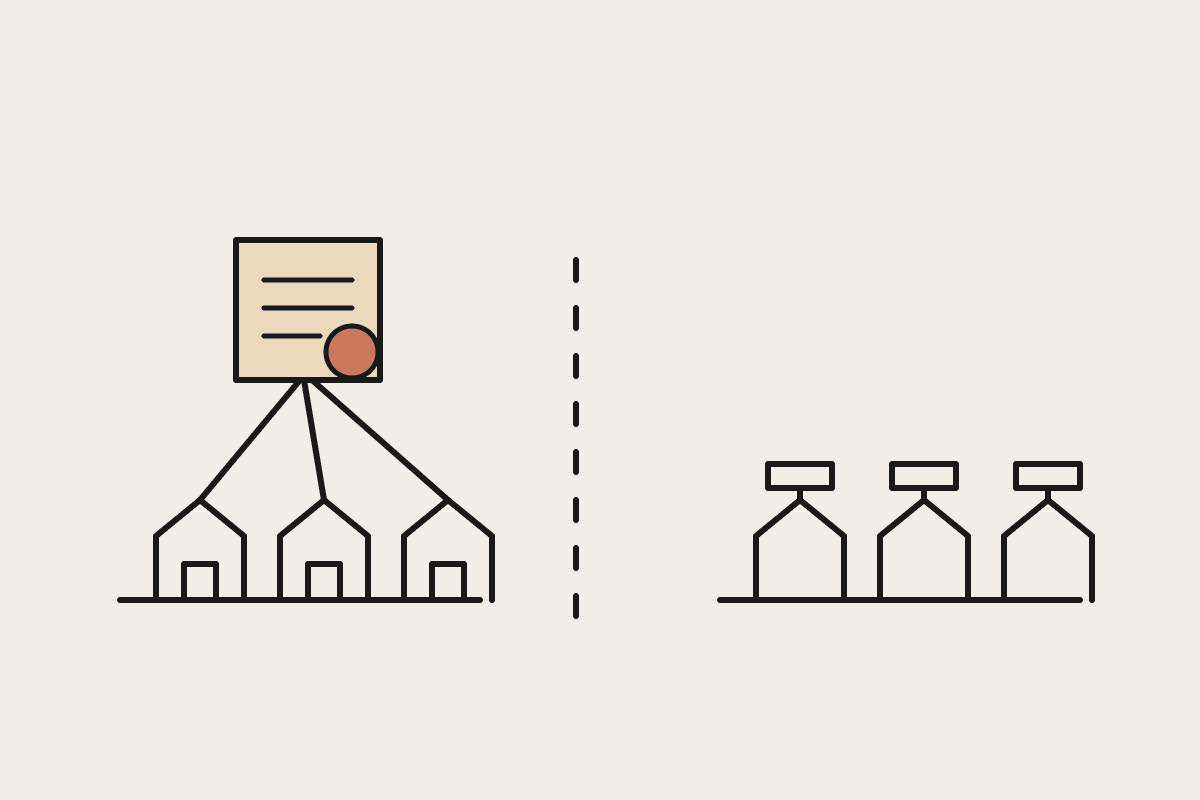
Large language models pick words one at a time from a list of likely candidates. When two choices are roughly equally sensible (the weather was cold and overcast versus cold and grey), the model normally settles the tie with a random number. Watermarking swaps that random number for one derived from a secret key plus the preceding words. The text a reader sees is identical in quality and meaning either way, but the pattern of choices becomes checkable against the key.
A few points worth knowing if this comes up with a client or in a tender response:
No hidden characters or extra tokens are added, so watermarking does not change formatting, length, or cost.
The watermark carries no identifying information; it cannot be traced to a specific person, organisation, or conversation.
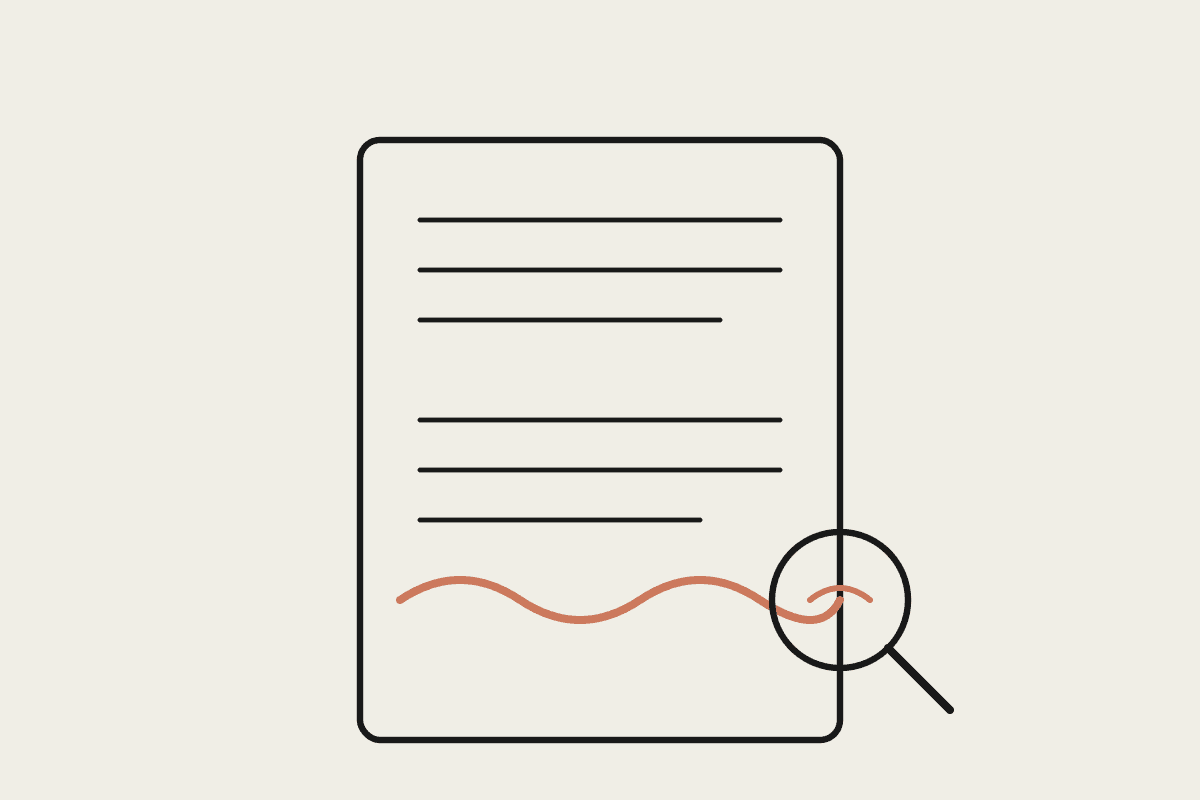
Readers cannot tell watermarked text from unwatermarked text by eye.
The method is not unique to Claude; other providers are shipping comparable schemes under the same EU code of practice.
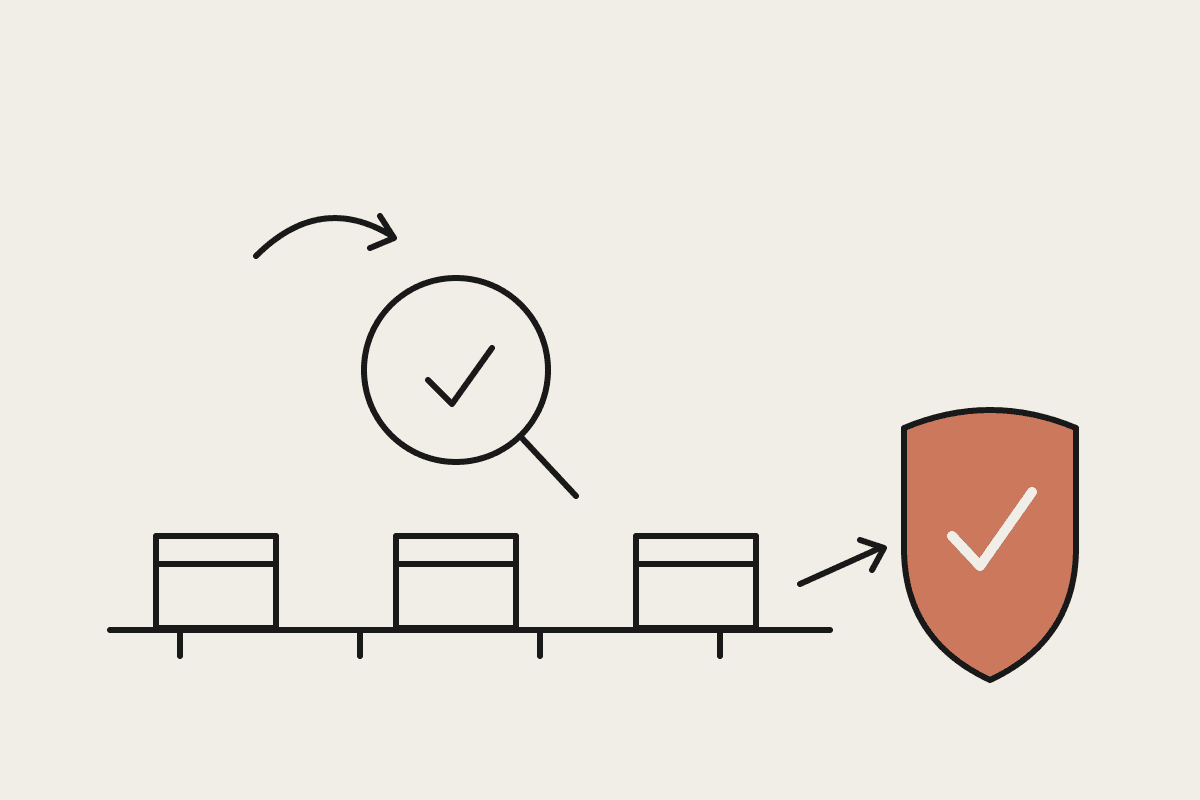
Detection requires the key, so third parties cannot casually scan for it without Anthropic's cooperation.
Why it matters here
Australia does not yet have an equivalent mandatory-marking rule, but the direction of travel is the same one Australian regulators have flagged in discussion papers on AI transparency and content provenance. For consultancies and marketing teams already producing AI-assisted content at volume, that is a governance conversation worth having now rather than after a client asks how do we know what is AI-written. A basic content provenance policy, who reviews AI drafts, what gets disclosed, how outputs are logged, is a same-day fix that costs nothing but a meeting. A formal audit of an existing content pipeline against emerging transparency expectations typically runs in the $3,000 to $6,000 range depending on volume.
What to do before it is required
Treat this as a cheap head start, not a fire drill. Decide who signs off AI-assisted work before it goes out, write one short line on disclosure into your client contracts and content policy, and keep a simple log of what was produced with AI help. None of that slows your team down, and all of it means that when a client, an auditor, or a new marking rule arrives, the answer is already written down. The businesses that get caught out will be the ones retrofitting a policy under pressure, which always costs more than setting it up calmly in advance.
The watermark itself changes nothing about how you use Claude day to day. What it changes is the assumption that AI-generated text is invisible by default. It increasingly is not, and building disclosure practices ahead of a requirement is cheaper than retrofitting them under one.
The client-facing version of this
If you produce content for clients, this is also a trust question, not just a compliance one. A client who later discovers that work was AI-assisted, and that nobody told them, will care less about the watermark than about the fact they had to find out. Getting ahead of it is simple: agree with each client what level of AI assistance is fine, note it once in the engagement terms, and stop worrying about it. Most clients are entirely comfortable with AI-assisted drafting when a human reviews and signs off; what they dislike is the feeling of being kept in the dark, which a single upfront sentence removes entirely.
For a marketing team or agency producing dozens of pieces a month, the practical move is a one-line disclosure standard and a named reviewer, not a policy document nobody reads. The watermark just makes the underlying question harder to dodge, which is a reason to answer it deliberately now while it is cheap rather than under pressure later when a client or regulator forces the question.
If you want a provenance and disclosure policy that fits how your team actually publishes, book a session and we will draft one you can put in front of a client.