Claude being available through Microsoft Foundry is a distribution change, not a different product. It means a business already standardised on Azure can access Claude through infrastructure they already manage, rather than needing a separate account and a separate billing relationship with Anthropic directly. Worth understanding what that does and doesn't mean before assuming it changes anything about the model itself.
What Foundry access actually is
This distinction, distribution channel versus product difference, comes up constantly whenever a model becomes available through a new platform, and it's worth applying the same scepticism the next time a similar announcement lands for a different integration.
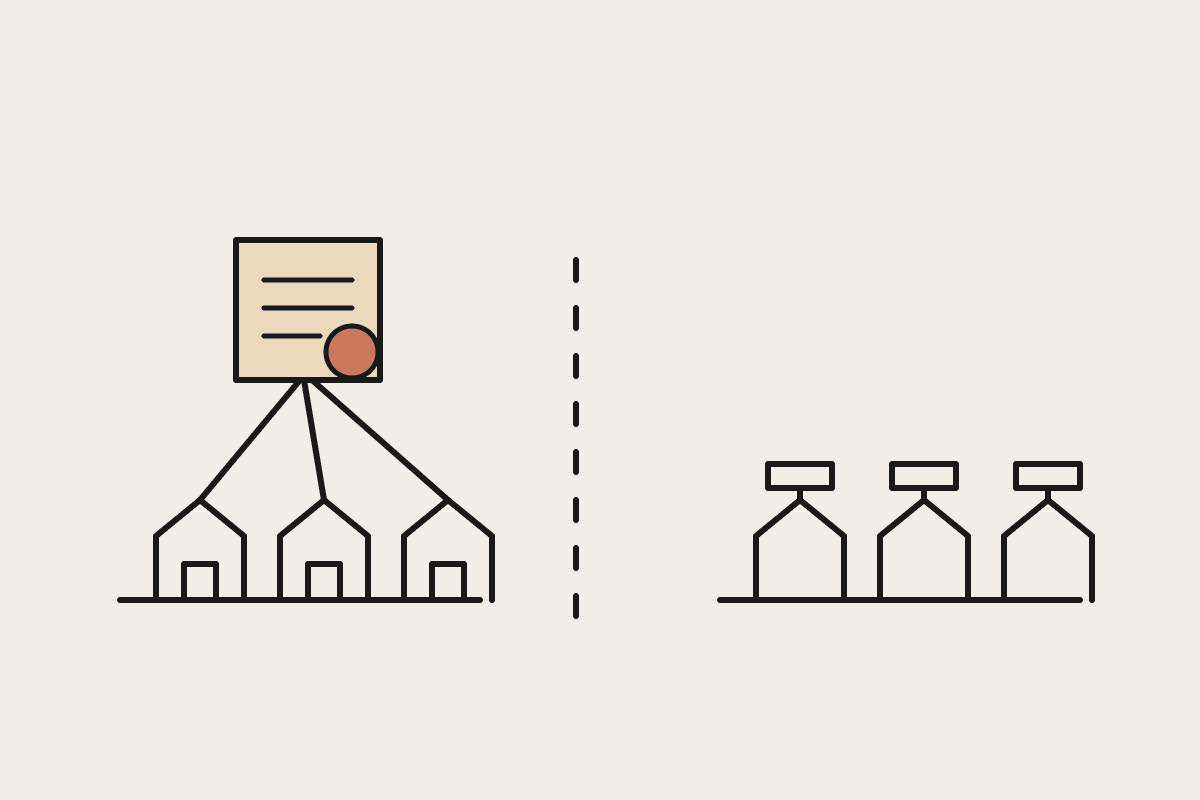
Microsoft Foundry is Microsoft's platform for accessing multiple AI model providers through one managed environment. Claude being available there means an Azure-committed business can call Claude through the same governance, billing and access controls it already uses for other Azure services, rather than standing up a parallel account structure. The model's capabilities themselves don't change based on which door you walk through.
It's also worth a quick sanity check with your own compliance team on how the data processing chain is described in the vendor agreement, since "through Azure" and "direct with Anthropic" can carry meaningfully different contractual language even when the underlying model behaviour is identical.
What changes: billing consolidation, existing Azure governance and access controls apply
What changes: procurement is simpler if Azure is already an approved vendor
What doesn't change: the underlying Claude model and its capabilities
What doesn't change: Anthropic's own usage policies still apply
Who this actually matters for
If your business is already deep into Azure, with existing security reviews, procurement approvals and IT governance built around it, accessing Claude through Foundry can meaningfully shorten the internal approval process, since it's one more capability inside an already-approved vendor rather than a brand-new one needing its own security review. For an Australian mid-market business where a new vendor onboarding can take months through procurement, that shortcut has real value independent of anything about the model.
Who this doesn't really matter for
If your business isn't committed to Azure, or you're a small business without a formal procurement process gating new tools, going through Foundry doesn't offer much beyond what a direct Claude account already gives you, and it may add a layer of Microsoft-side configuration for no practical benefit. Direct access remains the simpler default unless Azure governance is already a hard requirement somewhere in your stack.
Checking pricing and data handling before committing
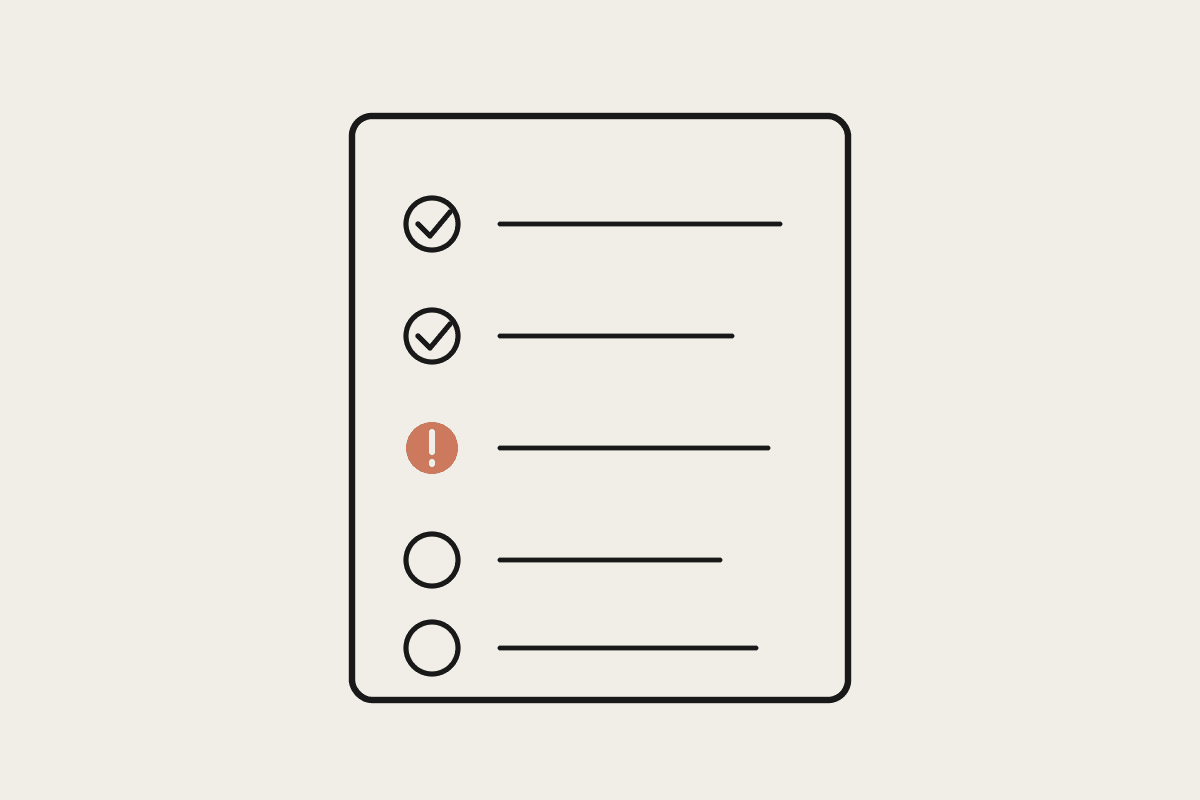
Cost through Foundry isn't automatically cheaper or more expensive than a direct relationship with Anthropic, and it's worth actually comparing current pricing for your expected usage volume rather than assuming Azure billing consolidation implies a discount. Data handling terms are also worth checking directly rather than assumed: routing through Microsoft infrastructure changes which vendor's terms and processing arrangements apply, which matters for any business tracking data residency or third-party processor obligations under the Privacy Act.
For a Melbourne financial services firm already running its core systems on Azure with an established security review process, adding Claude through Foundry meant a two-week internal approval rather than the eight-to-ten-week timeline a brand-new vendor typically triggers, worth a rough $15,000 in avoided delay against the project timeline. That's the actual value proposition: faster internal approval, not a different or better model.
A note on model updates and version lag
One practical detail worth checking directly rather than assuming: platform integrations like Foundry sometimes lag a step behind direct access when a new model version ships, since the integration itself needs updating on Microsoft's side after Anthropic releases something new. For a business where being on the latest model version matters, that's worth confirming explicitly with whoever manages the Azure relationship rather than assuming parity by default.
None of this makes Foundry access a worse option for the businesses it suits. It just means the decision should be made on procurement and governance grounds, which is where the real value sits, not on an assumption that the model itself is somehow different or better through one channel over the other.
If you're deciding between direct Claude access and Foundry, the deciding question is simple: is Azure already the vendor your procurement process defaults to, or would going through Foundry be adding a Microsoft dependency you don't otherwise have.
If your business is weighing this up, the practical first step is a short conversation with whoever manages your Azure relationship about current pricing and version parity, before assuming either way.
Ask the specific question, procurement shortcut or governance requirement, rather than the vague one about whether Foundry is somehow the better version of Claude, and the decision becomes straightforward.