Two frontier models shipped on the same day this week. DeepSeek V4 Pro moved from preview to official release, and xAI put out Grok 4.6. Different labs, same day, both chasing the same market: cheaper, faster, more capable coding and agent work. If you run an Australian business on Claude, the news is easy to misread. The question that matters is not which model won the week. It is whether your stack can absorb this kind of churn without you paying for a rebuild every time.
What actually shipped
DeepSeek V4 Pro's official release brings improved agent capabilities, native support for OpenAI's Responses API format, and a new thinking-intensity control with low, high and max settings, so you pick the depth of reasoning per task rather than paying frontier-level compute for a simple lookup. Pricing shifts from 17 August, with off-peak rates at half price.
Grok 4.6 is xAI's answer, shipped the same day and pitched as a clear step up from 4.5. Standard input and output pricing holds, though cached input now costs about 67% more. Both labs ran launch-week promotions: 2x usage from xAI directly, and Cursor matched with 2x Grok 4.6 usage through 19 August. Useful levers, if you are set up to actually use them.
The pattern worth noticing
This is the third or fourth time in recent months that two labs have shipped major releases within days of each other. That is not a coincidence, it is the market. Every open-weight and frontier lab is now iterating fast enough that "which model is best" is a moving target month to month, not a decision you make once and forget.
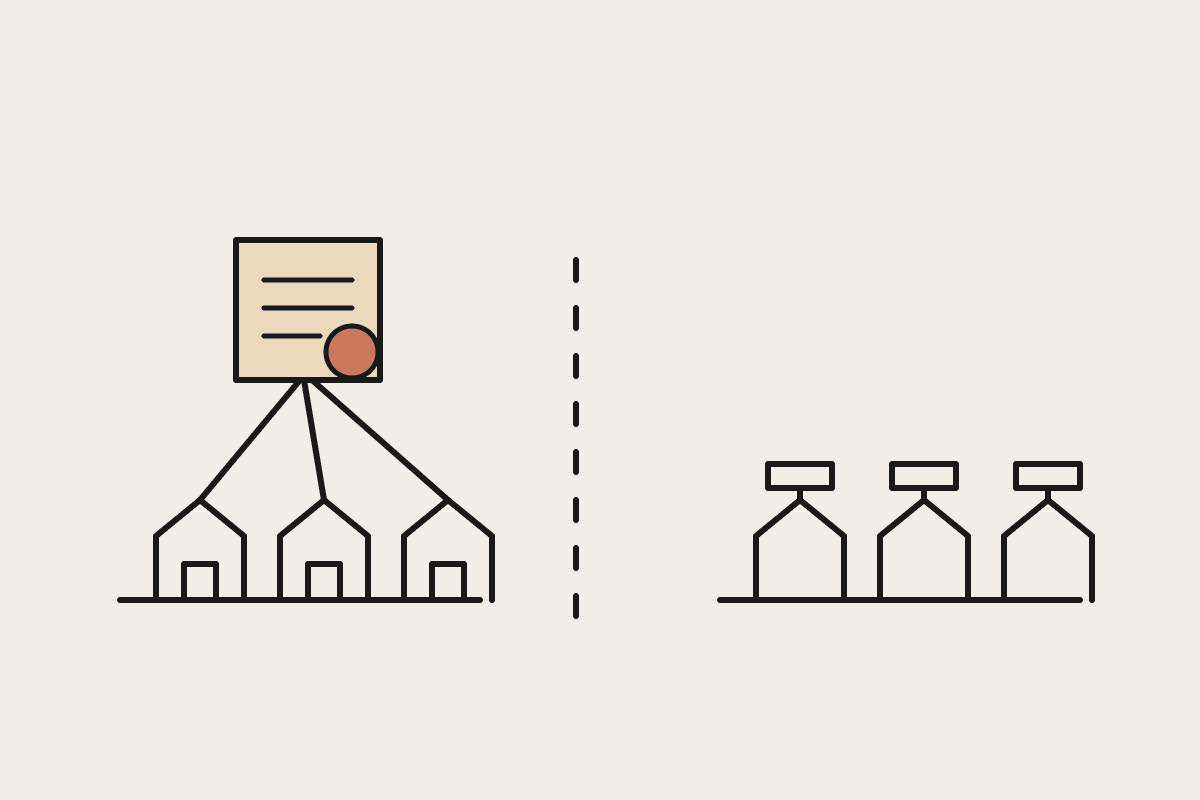
That has a real consequence for any business building on top of these models. If your workflow is wired to one vendor's API quirks, you rebuild integration work every time a cheaper or faster option lands. The DeepSeek thinking-intensity control and Grok's pricing tiers are genuinely handy, but only if switching them on does not mean touching your code.
What the churn actually costs a Sydney business
Put a number on it. Say a mid-market Australian firm has a small team wire an internal agent directly against one model provider's API, with that vendor's request format, tool-calling shape and quirks baked through the codebase. A fortnight later a cheaper model ships and the finance lead asks why you are not on it. Re-plumbing the integration, re-testing every workflow and re-training the people who use it is rarely a weekend job. On a contract developer rate, a fortnight of that work runs to roughly $45,000, and you are back in the same spot the next time a launch lands. Do that three times a year and you have spent six figures staying still.
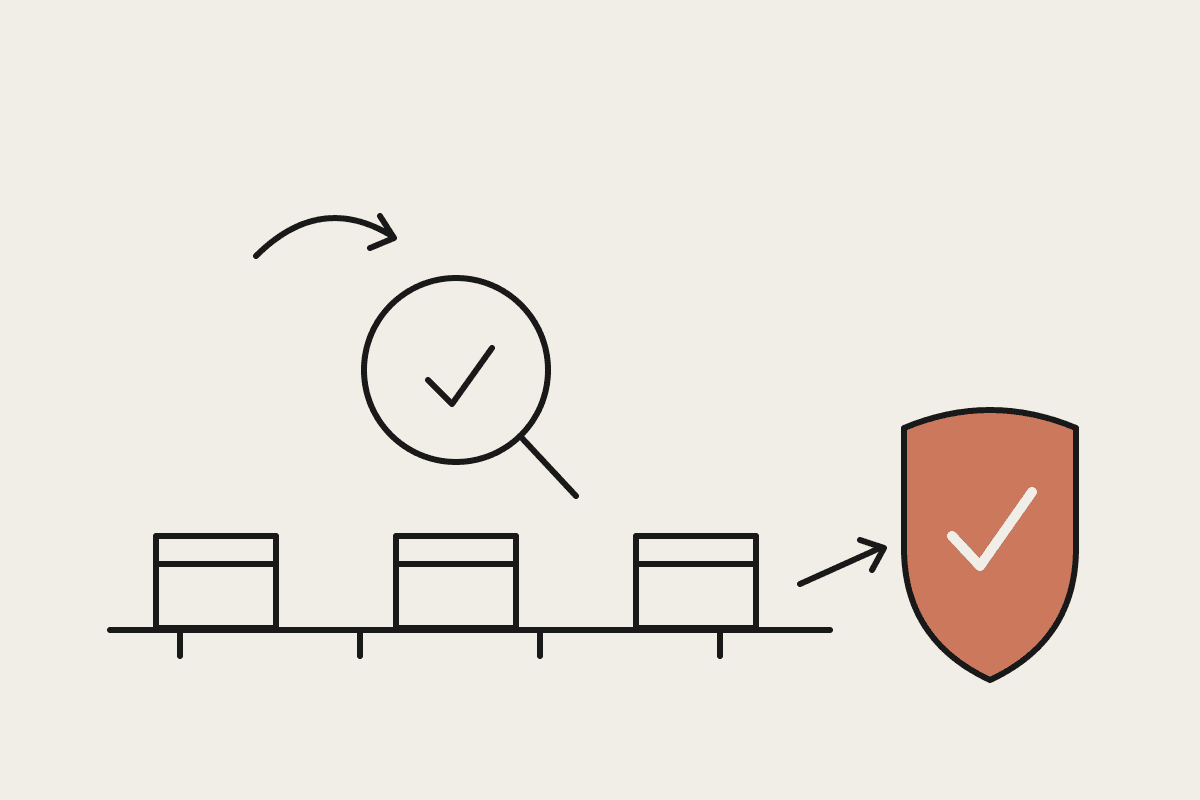
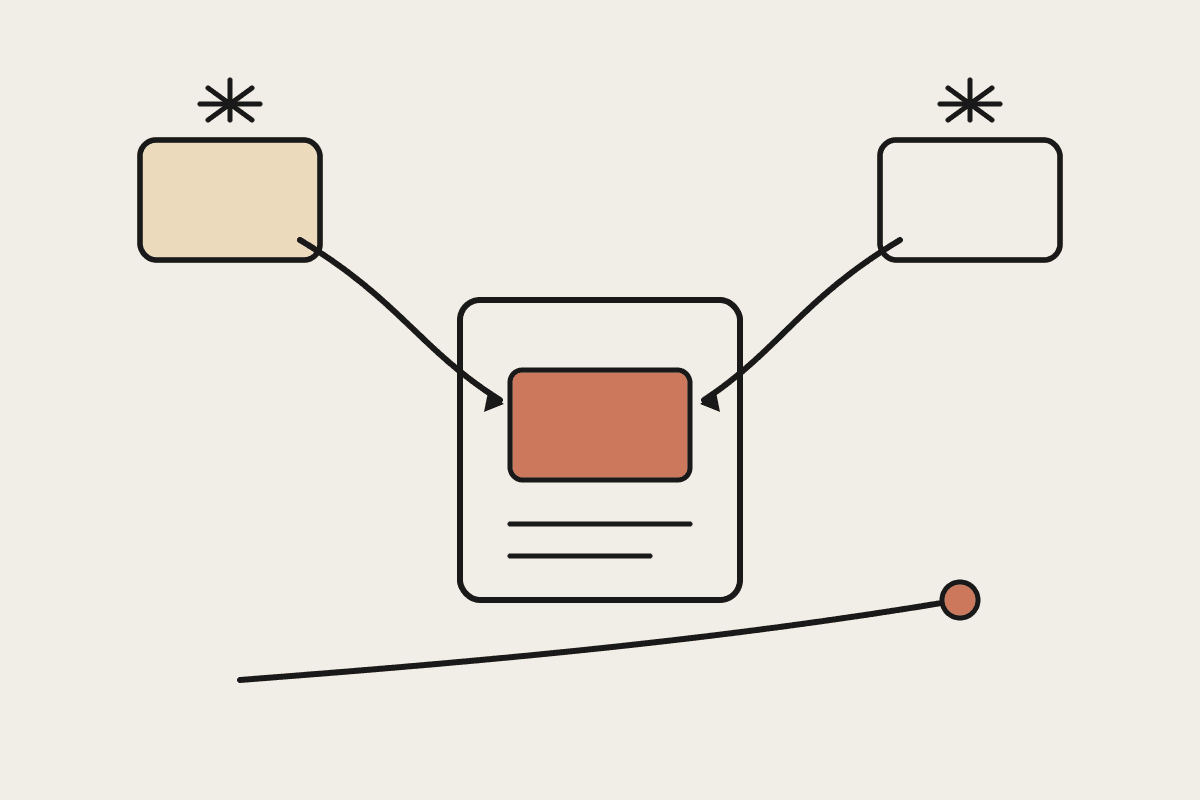
The businesses avoiding that bill are not the ones who picked the smartest model. They are the ones who put a stable layer between their workflows and whichever model sits underneath. A few things to check on your own setup:
Is the model named in one config value, or hard-coded across dozens of files?
Can you swap providers and re-run your test suite the same afternoon, or is it a project?
Do your prompts, tools and approval gates live in a harness you control, or inside one vendor's console?
When a cheaper model ships, who has to be involved to trial it, and how long does that take?
If the answer to any of these is uncomfortable, the fix is architectural, not another vendor switch.
Where Claude's approach differs
Anthropic has mostly stayed out of the pricing and feature sprint playing out between DeepSeek, xAI and OpenAI's Sol, Terra and Luna tiers. That is a deliberate trade-off, not an oversight. Claude Code and Claude's agent tooling, including Skills, Dynamic Workflows and MCP, are built so the model underneath can improve without your integration breaking every few weeks. For a business that does not have a team dedicated to chasing launch-week pricing, that stability is worth more than shaving a few cents off a per-token rate.
It also fits how Australian firms have to think about AI beyond raw capability. If you handle personal information under the Privacy Act, or you answer to APRA or ASIC, the boring parts (where data flows, who approved a workflow, what the agent is allowed to touch) matter more than a benchmark score. A harness you own lets you keep those controls steady while the model behind them gets better.
What not to conclude from this
None of this means competitor launches are noise, or that Claude is the right pick for every job. DeepSeek's licensing and price make it a serious option for teams who want to self-host, and Grok has real strengths. The point is narrower: rapid launches are good news for buyers because prices fall and capability rises, and the mistake is treating each one as a reason to re-architect. Pick a model and a harness built to absorb these updates, then let the competition do its work in the background while your team keeps shipping.
If you want a stack that keeps improving without you having to chase every model launch, we can walk through your current setup and where the swap points should sit. Book a session and we will map it out.