Google has said the Gemini app passed a billion monthly users. It is a genuine distribution achievement and it answers almost none of the questions an Australian business should be asking when choosing what to build on. Consumer reach and business fitness are different measurements, and one does not imply the other.
What a user number does and does not tell you
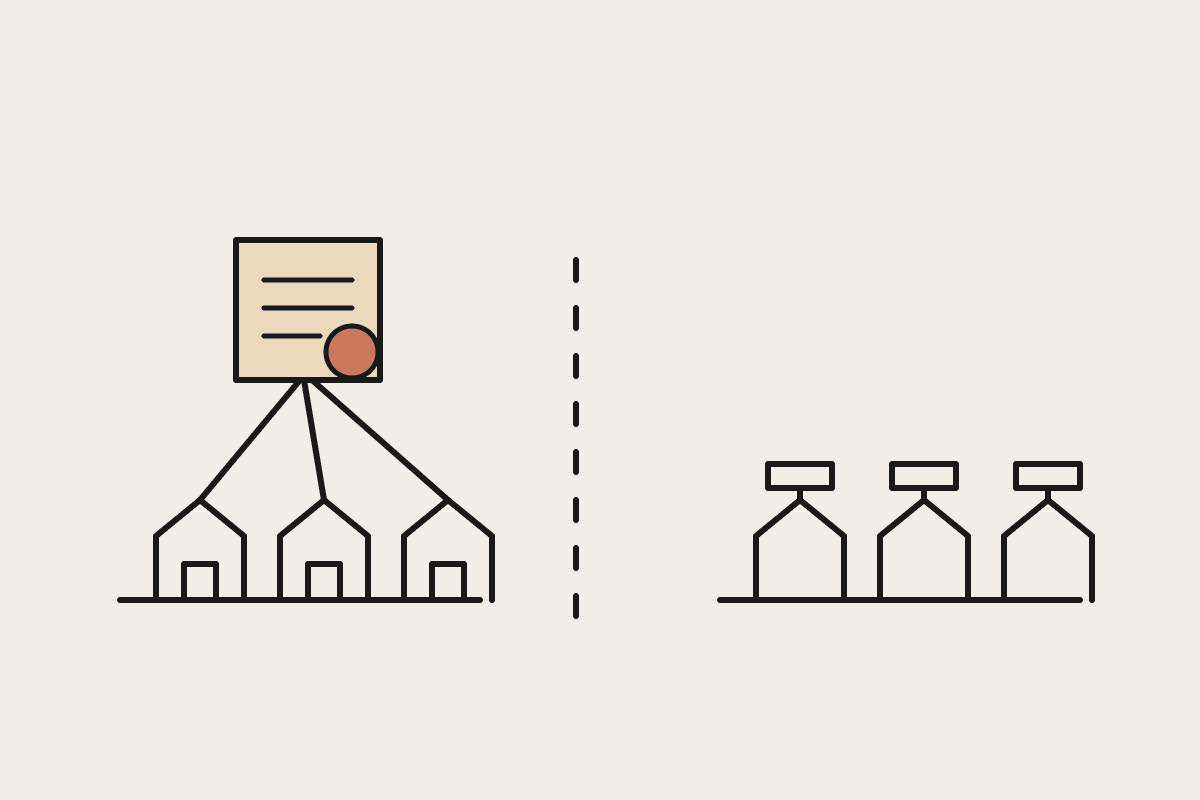
It tells you about distribution. Gemini is embedded across products that hundreds of millions of people already open daily, which makes adoption close to automatic and says little about whether anyone chose it.
It does not indicate how many are doing substantive work versus incidental use
It does not measure reliability on multi-step business tasks
It says nothing about data handling terms, which differ sharply between consumer and business tiers
It is not evidence of enterprise deployment, which is counted very differently
The equivalent trap in the other direction is treating a smaller user base as a quality signal. Neither number is telling you what you need to know.
The questions that actually decide it
For a business, the choice usually turns on four things: how reliably the model handles the specific work you do, what the data terms say, what it costs at your volume, and how well it connects to the systems you already run.
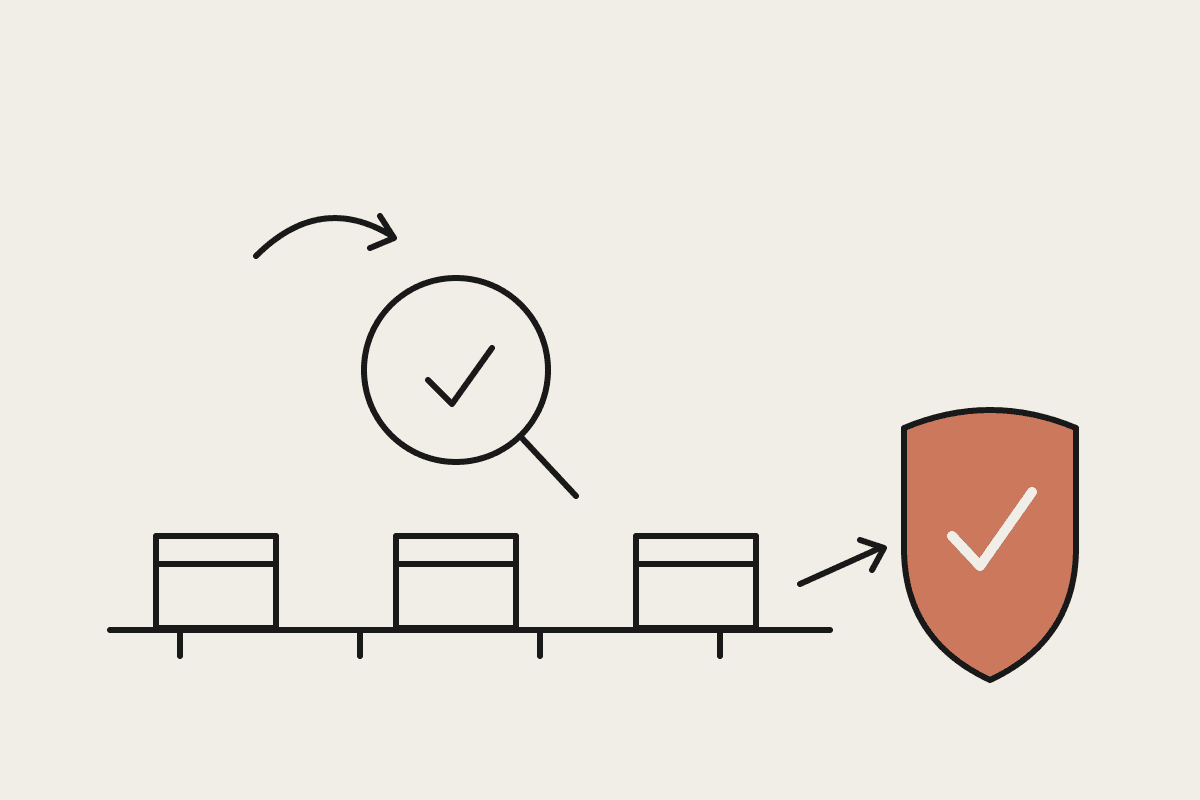
Those are answerable and mostly not by reading. A fortnight of running your real work through two candidates will settle it more convincingly than any comparison article, including the ones written by people who have thought about it carefully.
Where Claude tends to fit
Our own position is public: we build on Claude, and the reason is consistency on long, multi-step business work with tools connected, plus data terms that are straightforward to explain to a client.
That is a fit judgement for the work we do, not a claim that it wins every comparison. A business already running deeply on Google Workspace has a legitimate integration argument in the other direction, and pretending otherwise would be dishonest.
Integration is often the real decider
The model that connects cleanly to where your data already lives will usually deliver more value than a marginally stronger model that does not. Integration effort is the hidden cost that turns a good decision into an expensive one.
Map where your business records actually sit before comparing models. For many Australian small businesses that is a mix of Microsoft or Google, an accounting package and a CRM, and the practical question is which assistant reaches all three with least effort.
Data terms deserve a careful read
Consumer and business tiers of the same product frequently have different terms on retention and whether inputs may be used to improve models. Assuming the consumer terms apply to your business account, or the reverse, is a common and avoidable error.
If you handle client information subject to the Privacy Act, this is the first question rather than the last. It also tends to be the one a client's procurement team asks about, so having a clear answer is commercially useful regardless.
Cost at your actual volume
Headline per-seat or per-token pricing rarely predicts your bill. Usage patterns differ enormously between a team drafting documents and one running automated pipelines, and the cheaper option on paper is frequently not cheaper in practice.
Run a fortnight of real usage and extrapolate. For a twenty-person Australian firm the difference between a good and bad choice here is commonly $15,000 to $40,000 a year, which justifies two weeks of measurement.
You are not locked in, if you plan for it
Keep prompts, evaluation sets and integration logic separate from any one provider. Businesses that do this can reassess annually at low cost; businesses that hard-wire one vendor into everything face a project every time the market moves.
Given how quickly capability and pricing shift, portability is worth more than picking correctly today. The right answer in eighteen months is unlikely to be the right answer now.
What not to conclude
A billion users is not a reason to switch and it is not a reason to dismiss. It is a distribution fact about a consumer product, and your decision is a procurement one about a business tool, which happens to involve some of the same names.
Be equally sceptical of vendor comparisons, this one included. We have a stated preference and a commercial interest in it. The only comparison that should carry weight is the one you run on your own work, which is why every recommendation here ends in the same place: test it.
If you are choosing between assistants and want the comparison run on your actual work, book a short call and we will set up a fortnight of side-by-side testing.