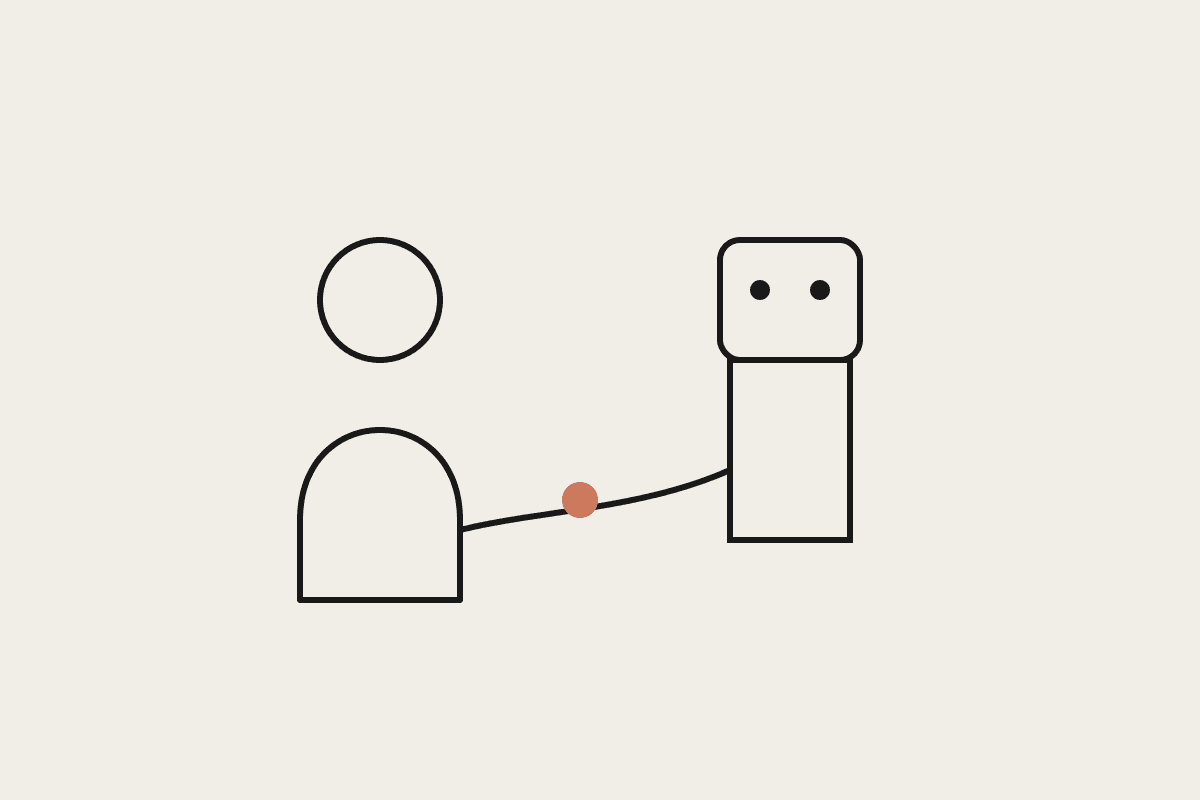
Google's Gemini Omni Flash, shown off at I/O and now open to developers, makes creating and editing video as easy as having a conversation: generate high-quality video from a text prompt, an image, or an audio reference, change camera angles and lighting on an existing shot, apply cinematic zooms, or turn a rough sketch into an animation. Google's own showcase leans on builder projects doing exactly that, altering scene weather via voice, rotating a subject's perspective, turning doodles into animated objects through Google Flow.
What Gemini Omni actually is, and isn't
It is a genuinely capable creative and video-generation showcase. It is not an agentic-automation story, and that distinction matters more than it sounds for a business trying to decide which AI vendor to build on. Generating and editing video is a consumer- and content-team-facing capability. Running a multi-step business process, reading an inbox, checking a system of record, taking an approved action, and leaving an audit trail, is a different problem entirely, and it is the one most AU SMBs actually need solved.
To be accurate about the comparison: Claude does not have an equivalent one-click video-generation feature, and this is not a claim that it does. The point is narrower and more useful. If a business is evaluating "which AI vendor" for actual operational work, comparing Claude and Gemini on video generation is comparing the wrong feature.
Where Claude's differentiation actually sits
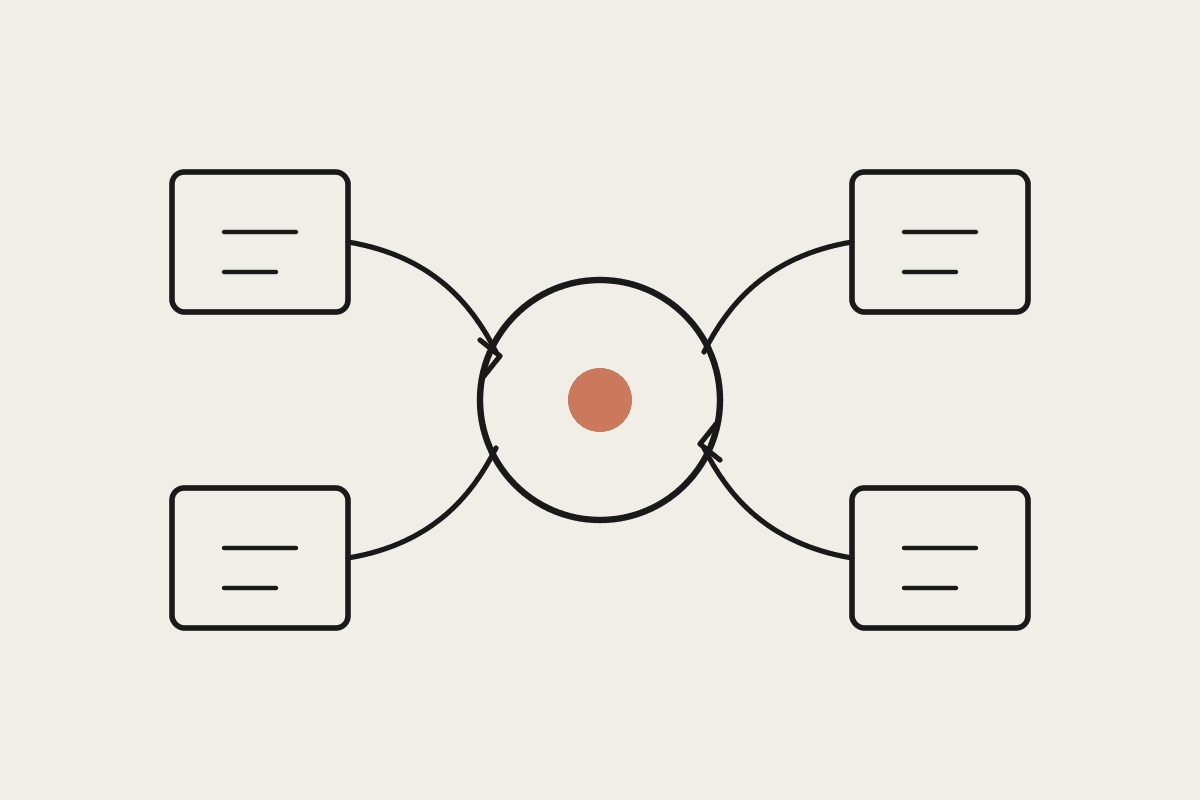
Claude's differentiation for business automation is agentic reliability, tool-use, and process automation built on Skills, MCP connectors, and Claude Cowork, not content generation. That is the layer that lets a system read a Gmail inbox, pull a record from Xero, draft or send a follow-up, and log what it did, consistently enough that a business can build a real workflow on top of it rather than a demo.
Skills let a business encode a repeatable process, like drafting an invoice reminder in a specific tone, as portable instructions Claude follows the same way every time.
MCP connectors plug Claude into the actual systems a business runs on, Xero, Gmail, a CRM, rather than leaving it to reason about a business in the abstract.
Scheduled tasks and Cowork let those workflows run on a cadence without a person re-triggering them, the automation layer a video-generation feature does not touch at all.
None of that is more exciting to watch in a thirty-second demo than a sketch turning into an animated character. It is, however, the layer that determines whether an AU business gets measurable hours back each week, which is a fair test for where a platform's real value sits.
A caveat worth stating plainly
Video generation is not a fringe capability, and a marketing or content team evaluating tools for creative output has a legitimate reason to weigh Gemini Omni seriously on its own terms. This is not a claim that Claude is the better choice for every use case a business has. It is a claim that for the specific decision most Automata AI clients are actually making, which platform to build operational automation on, agentic reliability is the metric that matters, and it is not the one Gemini Omni's launch showcase was built to demonstrate.
Questions worth asking instead of "which AI is better"
Most vendor comparisons AU business owners read online are structured around the wrong axis, feature checklists rather than fit for the actual job. A more useful evaluation for a business weighing Claude against any competitor, Gemini included, starts with these questions:
What is the actual task, drafting content, generating creative assets, or running a repeatable operational process, because different platforms are genuinely built for different jobs.
Does the platform need to touch your real systems, Xero, your CRM, your inbox, or does it only need to produce standalone output a person reviews and uses separately.
Who is accountable when the AI gets something wrong, and does the platform give you an audit trail that supports that accountability.
Is the comparison you are reading built around a demo reel, or around a workflow you could actually run next month.
A Sydney marketing agency producing client video content and a Brisbane bookkeeping practice automating invoice follow-ups are not actually choosing between the same two things, even if both end up reading the same "Claude vs Gemini" headline. The right platform depends entirely on which of those two jobs is the one your business actually has.
The Automata AI take
We expect more of these side-by-side launches through the rest of the year as every major lab chases attention with its most demo-friendly feature. For an Australian business owner trying to cut through it, the useful question is not which platform's showcase looked more impressive this week. It is which platform's agentic layer can be pointed at your actual invoicing, scheduling, or client-communication workload and produce something you can measure against a real number, not a views count. A scoped Claude automation build for a first workflow typically runs A$3,500 to A$6,000 for an AU SMB.
Book a brainstorm and we will map which of your workflows are actually worth automating first.