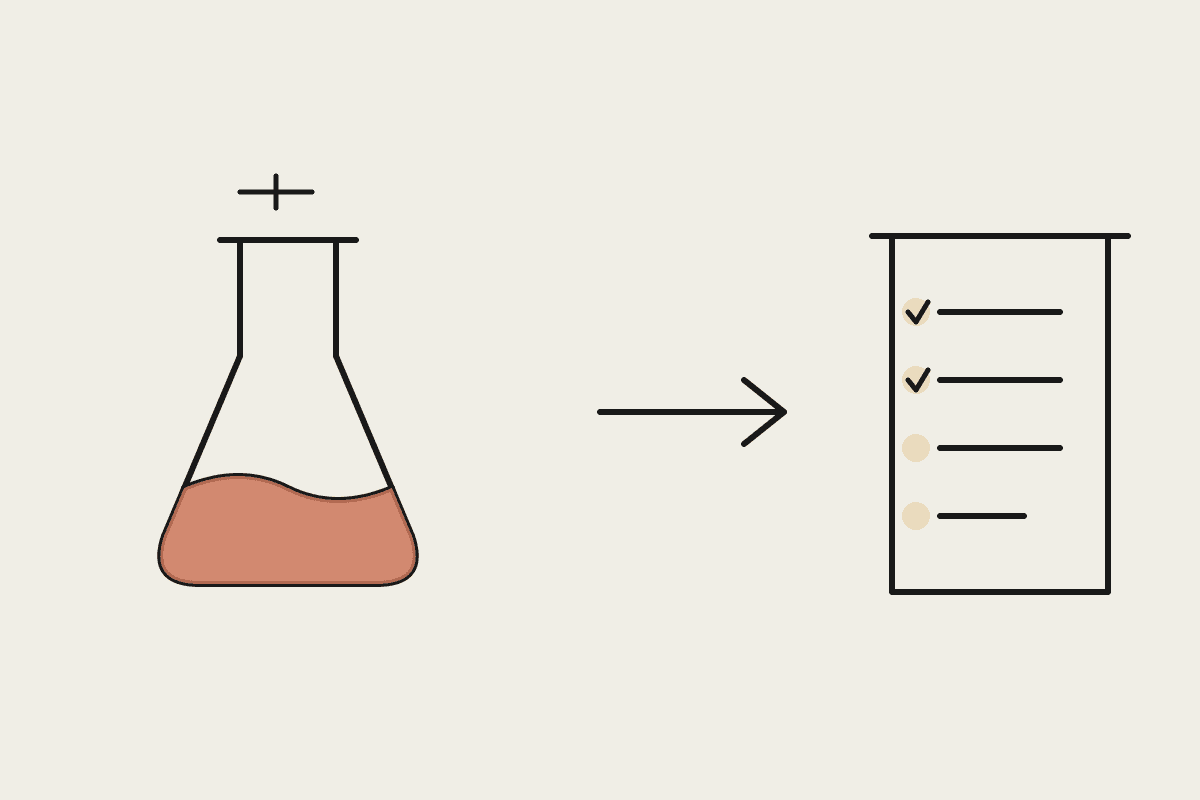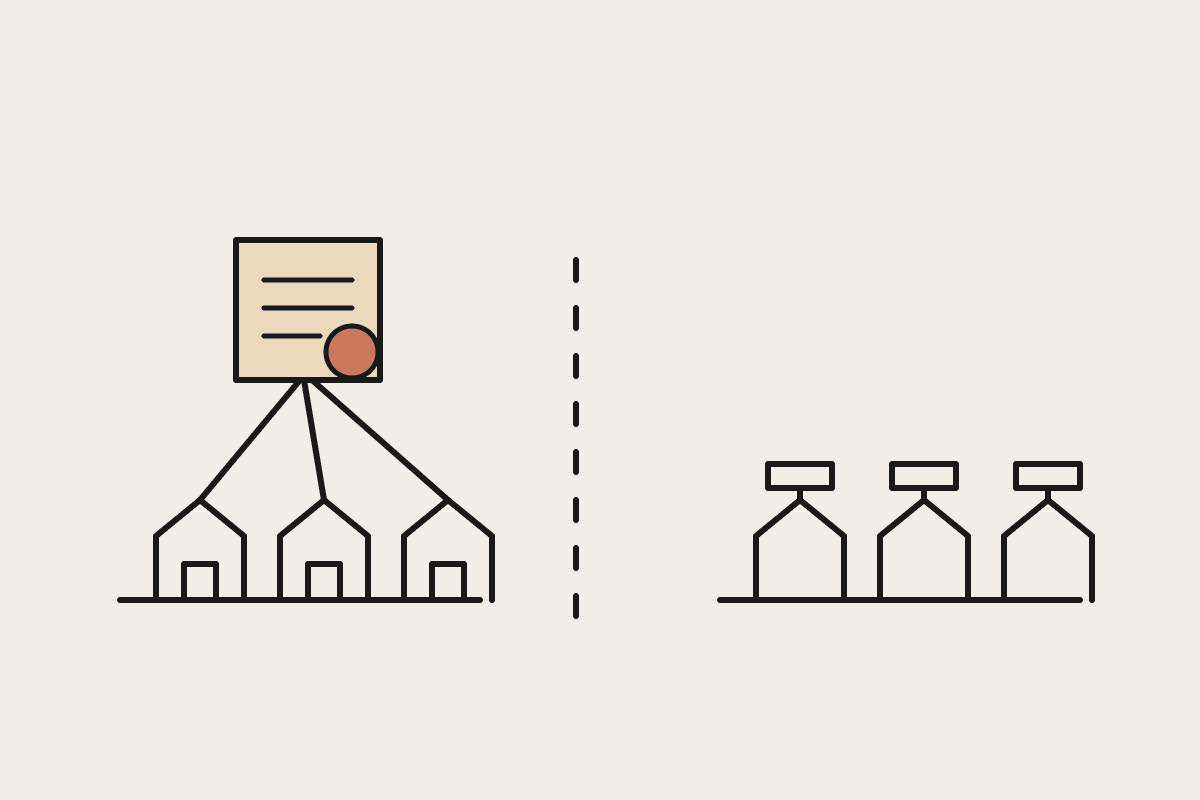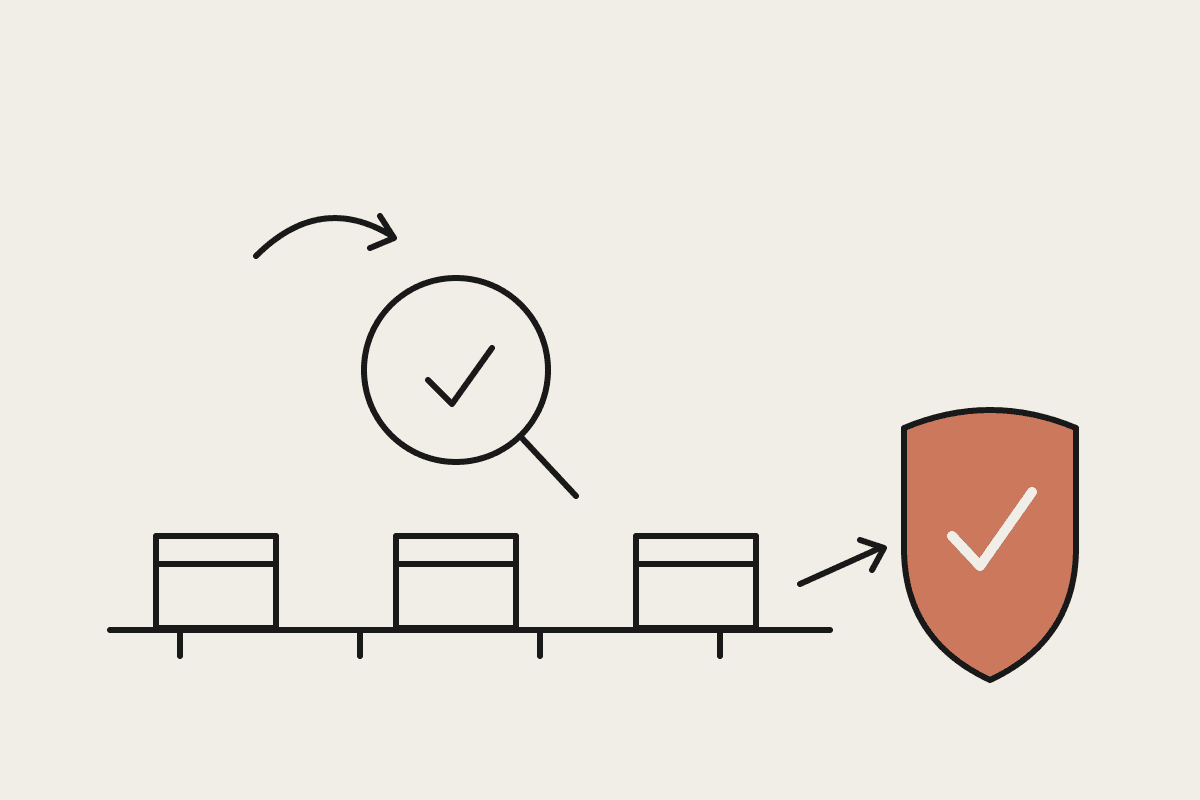
Agentic AI describes a system that can take a goal, decide the steps, use tools to carry them out, and check its own work along the way. The difference from the chatbot most people have used is not intelligence, it is autonomy over sequence. You stop specifying every step and start specifying the outcome. For business owners that shift is either genuinely useful or a fast way to automate a mistake, depending almost entirely on where you point it.
The practical difference
Ask a standard assistant to chase an overdue invoice and it writes you an email. Ask an agentic system and it can look up which invoices are actually overdue, check whether the client has already paid, draft a reminder matched to their payment history, and queue it for your approval. Same underlying model, different amount of the job done.
It plans: breaks a goal into steps rather than waiting for you to name each one
It uses tools: reads your accounting system, searches the web, writes a file, calls an API
It observes results: notices when a step failed and adjusts rather than continuing regardless
It works across time: a scheduled agent can run every morning without anyone opening a chat window
Why it matters commercially
The value is not that the model is smarter. It is that the work between the steps disappears. Most business processes are not hard, they are just a chain of small tasks with a person copying data between them, and that person is the expensive part. An agent that handles the chain turns a forty-minute weekly job into a review of a finished draft.
Concretely: a Melbourne services firm with one coordinator spending ten hours a week on quote follow-ups, CRM updates and status emails is spending roughly $28,000 a year on that chain at a fully loaded rate. Automating the mechanical parts does not eliminate the role, it moves those hours to work that actually needs a person.
What a first agent usually looks like
The ones that survive contact with a real business are unglamorous and narrow. A morning agent that reads yesterday's enquiries, drafts replies and flags the three worth a phone call. A weekly agent that pulls numbers from two systems and writes the report someone currently assembles by hand. Nothing that touches money without a person saying yes.
One process, one system, one clearly defined trigger
A draft or a report as the output, not an irreversible action
A visible log of what it did, readable by someone who was not there
An obvious off switch, and someone whose job it is to notice if the output goes odd
Where it goes wrong
Autonomy multiplies whatever you gave it. An agent with a bad instruction does the wrong thing repeatedly and quickly, which is worse than a person doing it once and noticing. The failure modes are predictable enough to design around, but only if you assume they will happen.
Acting without review: anything that sends, pays, deletes or commits should stop for a human first
Silent failure: an agent that cannot reach a system may fabricate a plausible result rather than stopping
Scope creep: a broadly defined goal invites it to take steps you never intended
No audit trail: if you cannot see what it did and why, you cannot defend the outcome to a client or a regulator
What this means under Australian rules
If the agent touches customer records, the Privacy Act 1988 and the Australian Privacy Principles apply exactly as they would to any other system handling that data, and the accountability sits with your business. For regulated firms, APRA's CPS 234 treats an autonomous system with access to production data as material third-party involvement, which means it needs a documented risk assessment rather than a quiet pilot on someone's laptop.
None of that is a reason to avoid agents. It is a reason to keep the first ones narrow, logged, and reviewable, so the governance conversation happens on something small.
What not to conclude
Agentic does not mean unattended, and it does not mean the system understands your business. A well-scoped agent is closer to a diligent junior with excellent recall and no commercial judgement: superb at the chain of steps, unreliable about whether the chain should have run at all.
The businesses getting real value from this are not the ones that handed over the most. They are the ones that picked a single repetitive chain, left the approval step in place, and measured whether the hours actually moved.
If you want to work out which process in your business is the right first candidate, book a short call and we will pick one worth doing and one worth leaving alone.