OpenAI announced a new enterprise product called Presence on 22 July 2026. It's built for deploying AI agents across voice and chat, aimed at customer support, sales, billing, insurance claims and internal IT requests. The launch made the rounds fast, and the natural question for any Australian business owner comparing Claude and OpenAI is simple: does this change anything? The feature list is impressive on paper. The access model behind it is where the real story sits, and it's the part most coverage skipped. We work with Claude every day building agent and Cowork deployments for Australian businesses, so this is the comparison we get asked about most.
What Presence actually does
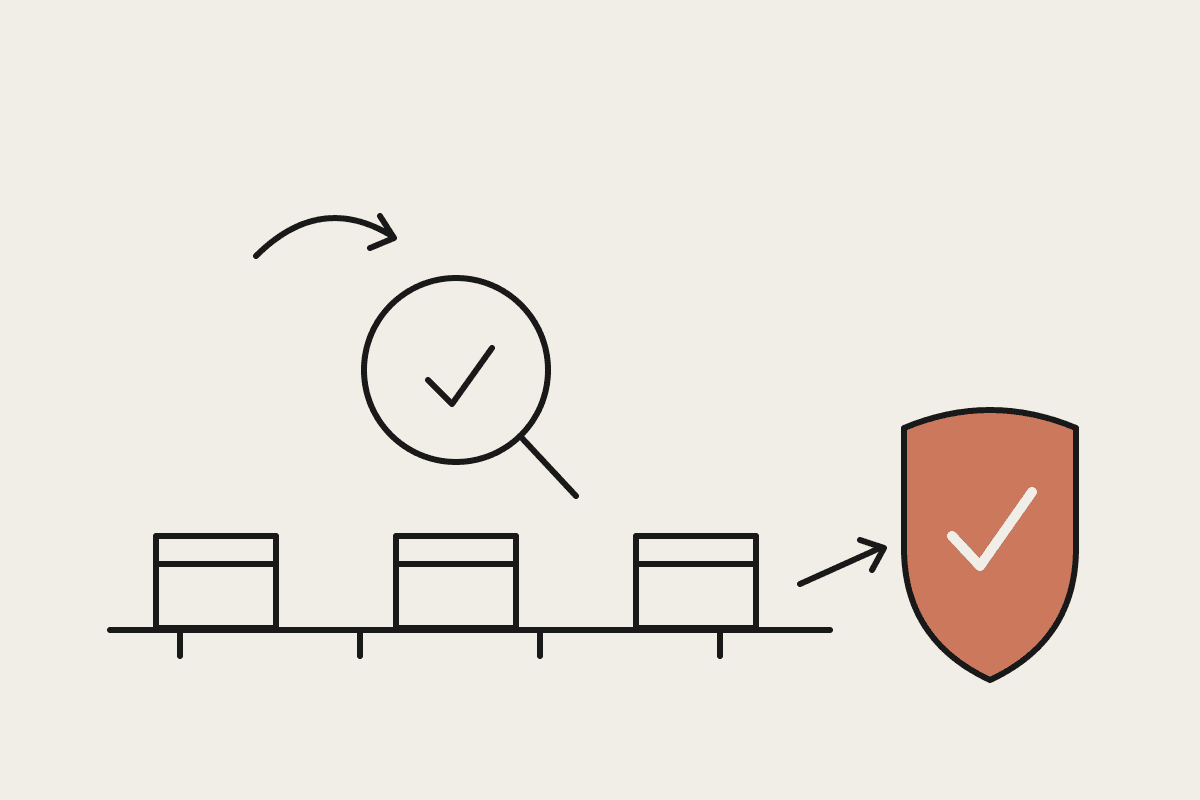
The pitch behind Presence is straightforward. You connect an agent to your company's data, systems and policies, scope it tightly to a single job, and let it escalate to a human the moment it hits the edge of what it's allowed to do. That's a sensible design principle, and it's one we apply to Claude agent builds too: narrow scope, clear escalation paths, humans in the loop where it counts. Getting that balance right is usually harder than picking a model. A support agent that's too broadly scoped ends up guessing at things it shouldn't touch, like refund limits or account changes, and one that's too narrow just forwards everything to a human anyway, which defeats the point.
Customer support, across voice and chat
Sales conversations
Billing enquiries
Insurance claims processing
Internal IT requests
OpenAI says it already runs Presence for its own English-language phone support, and claims a 75% resolution rate on inbound calls without a human stepping in. That's OpenAI's own reported figure, not an independently verified one, so treat it as a data point rather than a benchmark you can bank on for your own workflows. Your resolution rate will depend on how messy your systems are, how well your policies are documented, and how much of your support volume is genuinely repetitive versus genuinely novel. No vendor's number travels cleanly into your business without that context, and we'd be cautious quoting it to a client as a like-for-like expectation.
The access model is the real story
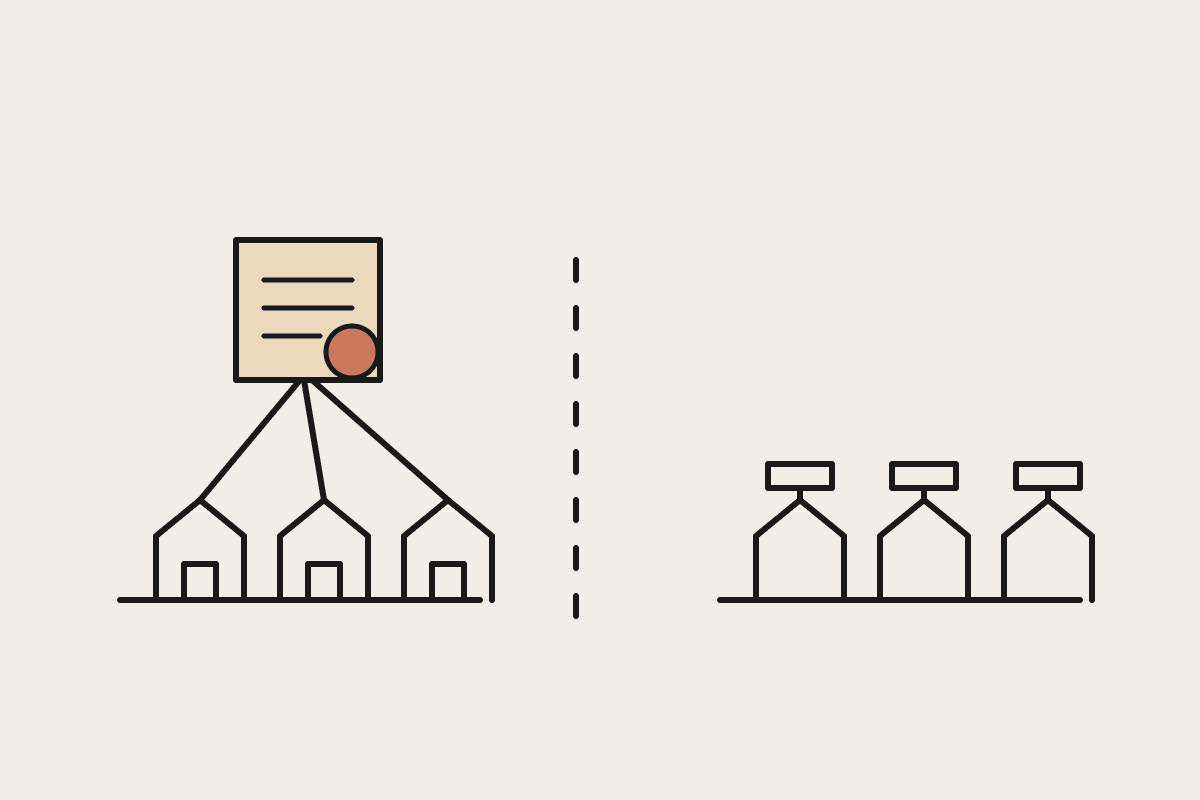
Here's the detail that matters more than the resolution-rate headline: Presence isn't self-serve. Getting it stood up means going through OpenAI's own Forward Deployed Engineers or a small set of approved partners. There's no sign-up-and-configure path, and pricing wasn't disclosed at launch. For a business that wants to move at its own pace, that's a real constraint. You're queueing for OpenAI's services team, not evaluating a product on your own timeline. If you want to change the agent's scope, add a new escalation rule, or connect a new system six months from now, you're likely back in that same queue, waiting on someone else's availability.
That's the opposite of how Claude's agent tooling is built. Claude Managed Agents and Claude Cowork are designed to be configured directly, by your own team, or by a specialist partner working alongside you, rather than gated behind a consulting engagement with the model vendor itself. You keep visibility into what the agent can access, what it's allowed to do, and how it's monitored, without routing every change through a vendor's delivery team. For Australian businesses thinking about the Privacy Act and where customer data actually sits, that visibility isn't a nice-to-have. It's the difference between being able to answer a data-handling question yourself and having to ask a vendor's services team to answer it for you, and wait for their reply.
What this means for Australian businesses evaluating agentic AI
Both approaches connect an AI system to your data and let it act inside guardrails. The feature comparison genuinely comes out close. So the sharper question when you're comparing Claude and OpenAI for agents isn't which one has more capabilities. It's who configures the thing, on whose timeline, and who can see inside it once it's running.
Can our own team, or a local partner, configure and adjust the agent, or does every change go through the vendor's delivery queue?
Is pricing disclosed up front, or do we need a sales engagement just to find out what this costs?
Do we retain visibility into what the agent can access and what actions it's allowed to take?
What happens when we need to change scope in six months? Does that mean re-engaging a vendor's services team?
There's a switching-cost angle here too, worth naming plainly. A vendor-run build tends to create dependency almost by design: every adjustment goes back through the people who built it, so the knowledge of how your agent actually works rarely ends up sitting with your own team. A build you or a local partner configured directly keeps that knowledge close to home, which matters more than it sounds once the agent has been live for a year and something needs tweaking on a Friday afternoon.
A white-glove, vendor-run deployment might suit a large enterprise that's happy to hand OpenAI's team the build and the ongoing changes, and that has the internal resourcing to sit inside a long procurement cycle. Most Australian small and mid-sized businesses we work with want the opposite: something they, or a local partner who already knows their systems, can stand up, adjust and audit directly, without waiting on a vendor's calendar every time a policy changes. That's a genuine access-model difference, not just a pricing preference, and it's worth weighing carefully before you commit to either platform.
For context, our own fixed-fee Claude Cowork setup for Sydney and Melbourne businesses runs at $3,500 AUD, configured with your team, priced up front, with no services queue to join. That kind of transparency is exactly what the access model question above is really asking for: not whether an agent can do the job, but whether you can see and shape how it does that job over time.
If you're weighing Claude against OpenAI for an agent deployment and want a plain answer on what fits your business, book a free brainstorm with Automata AI. We'll walk through your workflows and tell you honestly whether a Claude Managed Agents or Cowork build makes sense for you, or whether it doesn't. Get in touch and we'll set up a time.