Z.AI released GLM-5.2 Turbo on 17 August 2026, a faster serving tier of the same 753-billion-parameter mixture-of-experts model that topped agentic coding leaderboards under an MIT licence earlier this year. The base GLM-5.2 scores 62.1% on SWE-bench Pro, the strongest result of any MIT-licensed model, and community threads have been calling it the most reliable open-weight option for agentic coding. Turbo does not change the underlying capability. It changes the price and the latency.
Both of which matter. Neither of which changes what we recommend to a client putting an agent into production.
What a Turbo tier actually signals
When a lab ships a Turbo, Flash or Mini variant of an existing model, it is usually a distillation or a serving optimisation rather than a new model. The capability ceiling stays roughly where it was. What moves is:
Tokens per second, often two to three times faster than the base model.
Cost per million tokens, typically cut by 40 to 60 percent.
Context handling, sometimes slightly reduced to hit the speed target, which is the trade-off least often mentioned in the announcement.
For a business already running agentic coding workloads at volume, a Turbo tier is worth testing on your own tasks. For everyone else, it is a pricing announcement in the shape of a product launch, and the correct response is to note it and move on.
Why we still default clients to Claude
We build production systems for Australian businesses, not benchmark demonstrations. GLM-5.2's coding score is genuinely strong and we do not pretend otherwise. Three things keep Claude as the default recommendation for Sydney and Melbourne businesses running these systems where it counts:
Tool-use reliability across long agentic sessions. This matters more than raw benchmark speed once an agent is touching your invoicing or your CRM, and it is the dimension leaderboards measure worst.
A support and update cadence we can write into a client contract, rather than a model whose serving infrastructure changes every few weeks with no notice period.
Data handling terms that hold up against the Privacy Act and, for regulated clients, APRA's CPS 234 expectations. A licence being permissive says nothing about where inference runs or what the operator retains.
The third point is the one engineering teams underweight and compliance teams find first. An MIT-licensed model that you access through someone else's hosted endpoint gives you open weights and a third-party data processor at the same time. Those are separate questions and they get conflated constantly.
The hybrid stack is a legitimate answer
None of this means the answer is Claude everywhere. A hybrid stack, Claude for anything client-facing or compliance-sensitive and an open model like GLM-5.2 Turbo for high-volume internal code generation, is a reasonable way to cut a $40,000 annual inference bill significantly without touching the parts of the business where a mistake costs you a client relationship.
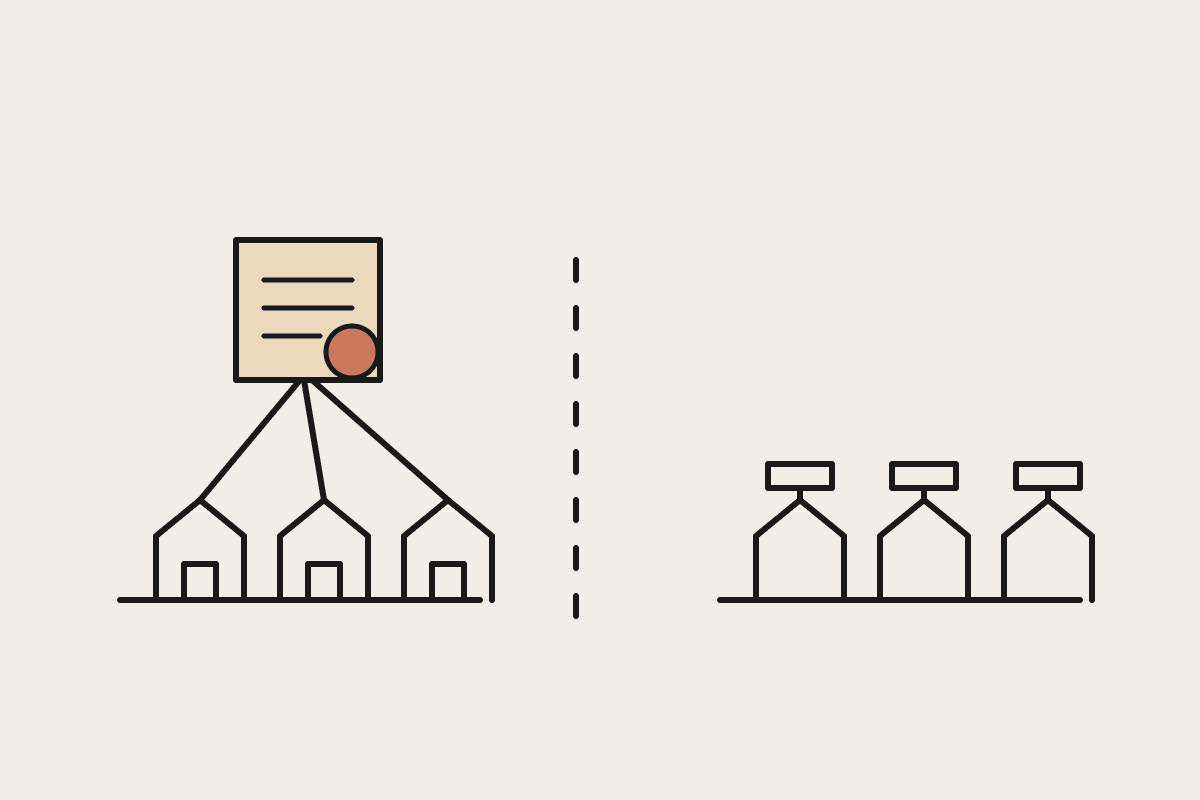
The split that tends to work: anything that produces output a customer sees, or that writes to a system of record, stays on the default model. Anything that generates a draft a human reviews before it goes anywhere, test scaffolding, internal documentation, first-pass refactors, is a candidate for the cheaper tier. The savings are real and the blast radius of an error is contained by design rather than by hope.
What we would actually recommend
If your engineering team is asking to trial GLM-5.2 Turbo, the right response is not no. It is a scoped trial: pick one internal, non-client-facing workflow, run it in parallel with the incumbent for four weeks, and compare cost and error rate on your own tasks rather than on a leaderboard.
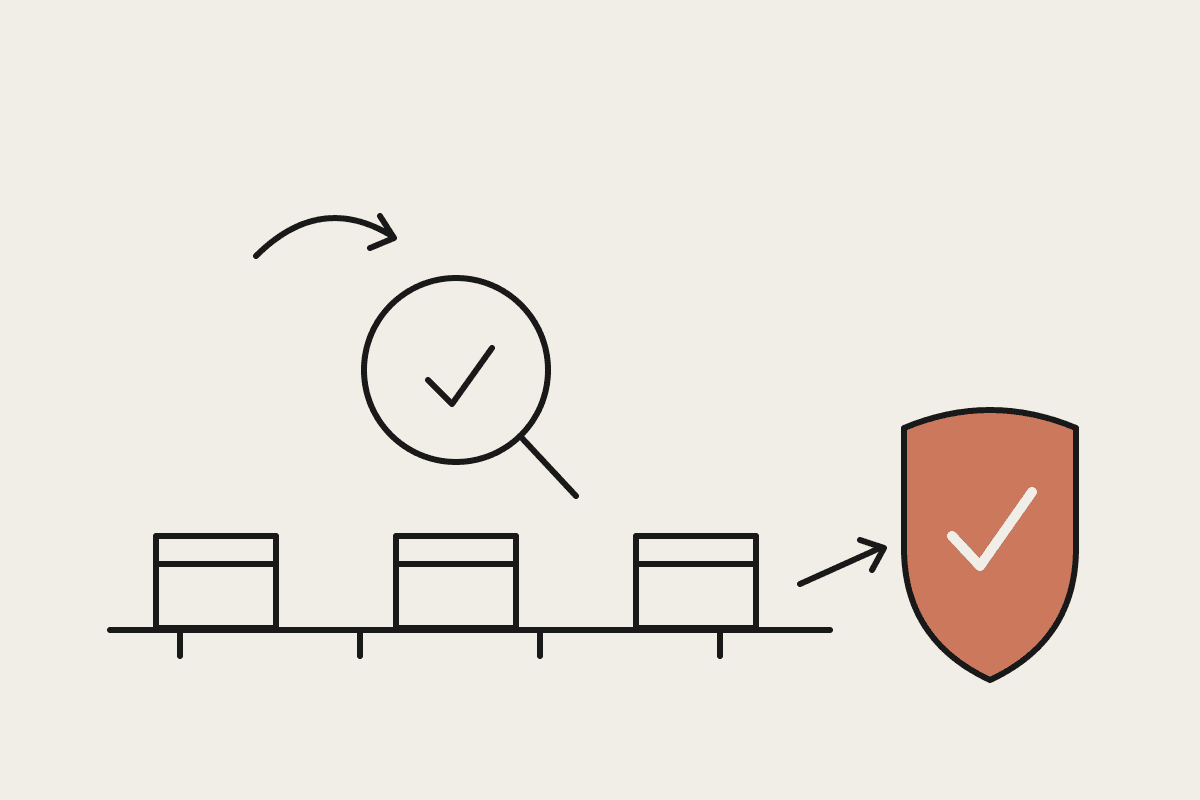
Define the comparison before you start. Cost per completed task, not cost per token, and error rate measured by a human reviewing a sample rather than by the model marking its own work.
Run both in parallel on the same inputs. Sequential trials get contaminated by everything else that changed in the month between them.
Include the switching cost in the maths. A second model in the stack means a second set of prompts to maintain, a second failure mode to monitor, and a second vendor conversation. That is real overhead against the savings.
Agree upfront what result would make you say no, so the trial can actually fail rather than just conclude.
The honest caveat: for a lot of Australian mid-market businesses the inference bill is not big enough for any of this to be worth the complexity. If you are spending $600 a month on model calls, a 50 percent saving is $300 and the engineering time to capture it costs more than that in the first week. Run the trial when the number is large enough to matter, not because a leaderboard moved.
Automata AI scopes exactly this kind of parallel trial for Australian businesses weighing an open-weight addition to a Claude-first stack, including the comparison design so the result is something you can act on. book a session and we will set it up properly.