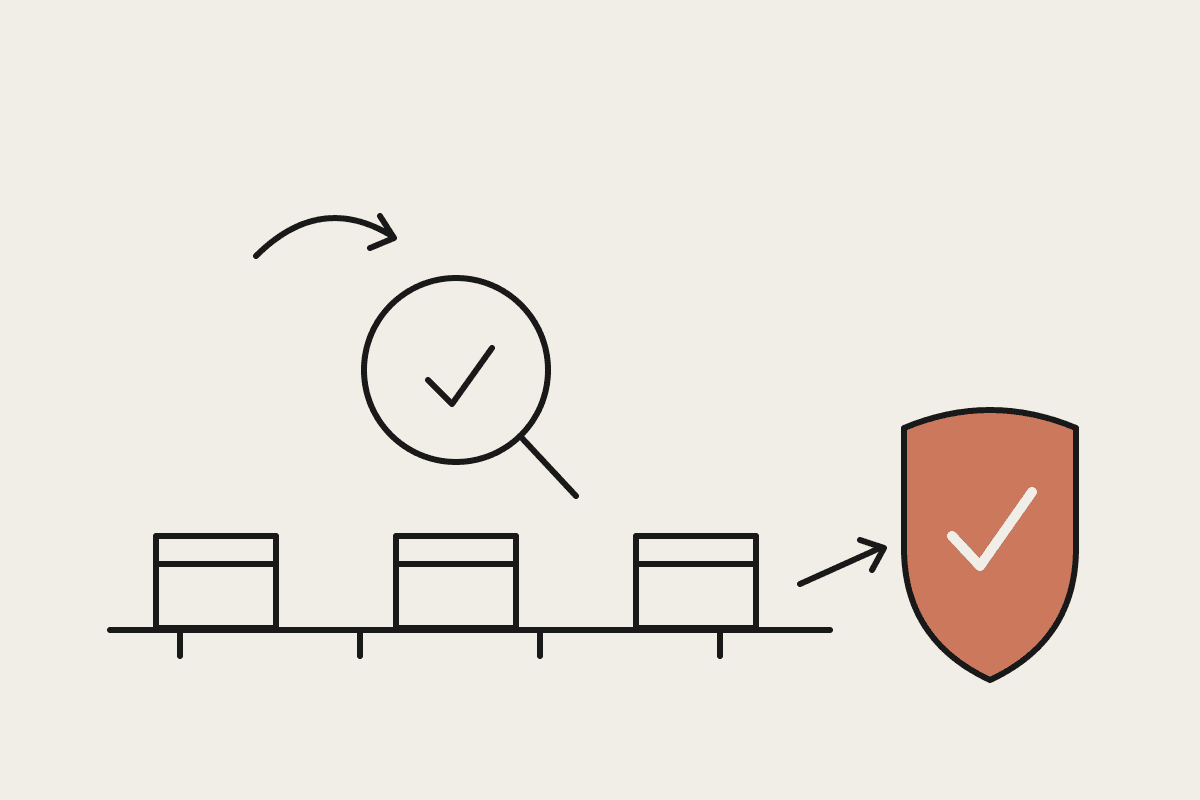
The everyday technique for stopping Claude from generating a plausible-sounding but wrong answer is simpler than it sounds: give it the actual source material to work from, in the conversation itself, rather than asking it to answer from memory. This isn't a special feature to configure, it's a habit anyone can apply to a single prompt, and it's the single most effective lever available before reaching for any more elaborate setup.
The habit in practice
Paste or attach the actual source document before asking a question about its contents
Ask Claude to quote or reference the specific part of the source it's drawing from
For anything you can't attach directly, explicitly ask Claude to flag when it's estimating versus citing a source
Treat any answer with no attached source and no explicit estimate flag with more scepticism
Why this works better than a general instruction to 'be accurate'
Telling a model to 'only give accurate information' doesn't change what it actually knows or has access to, it can't verify a claim it's generating from memory just by being asked to. What changes accuracy is giving it something real to check against. A question answered from an attached invoice is grounded in a document Claude can actually read and quote. The same question asked without that attachment forces Claude to generate its best guess from patterns in its training, which is where hallucination risk genuinely lives.
A quick technique worth adding to any prompt
Adding a single line, 'only answer using the attached document, and say clearly if something isn't covered in it,' meaningfully tightens grounding beyond simply attaching the source. This explicit instruction discourages Claude from quietly filling gaps with plausible-sounding general knowledge when the actual document doesn't cover a specific detail, which is a subtler and more common failure mode than an outright fabrication.
A Canberra policy team's everyday use of this
A Canberra government-relations consultancy adopted a simple standing rule: any question about a specific piece of legislation or a client's specific circumstances gets the actual source document attached first, every time, no exceptions, even for questions that felt like they had an obvious answer. A junior consultant testing this discipline against ten questions she was confident she already knew the answer to found two cases where the grounded, document-based answer differed meaningfully from what she'd have said from memory, a clean demonstration of why the habit matters even for someone who feels confident.
Where this technique has limits
What this costs versus what ungrounded errors cost
Attaching a source document costs nothing beyond a few extra seconds per prompt. The cost of an ungrounded, confidently wrong answer that makes it into a client-facing document or a compliance response can run considerably higher, a Sydney compliance consultancy estimated a single ungrounded error that reached a client, later caught and corrected, cost roughly $1,800 in remedial work and the account-management time needed to repair the relationship, against a habit that would have cost nothing to prevent it in the first place.
A checklist for the highest-stakes prompts
Is the actual source document attached, not just described from memory
Have I explicitly asked Claude to flag anything not covered in the source
Have I asked for a citation or quote pointing to where in the source the answer came from
For anything client-facing or compliance-related, has a person checked the grounded answer against the source directly
None of these steps take long individually, but together they form a habit that meaningfully reduces the single most common source of AI errors businesses actually encounter, and unlike more elaborate technical solutions, this one is available to every user today with no setup required beyond the discipline of applying it consistently.
Building this into how a team works, rather than leaving it as individual good practice some staff remember and others forget, is worth a short team session covering the checklist above, with a couple of real before-and-after examples from your own business showing the difference grounding actually makes. That concrete demonstration, using your own data rather than a generic example, tends to make the habit stick far better than a general instruction to be careful ever does.
It's a small habit with an outsized effect on trust in AI-assisted work generally, once a team has seen grounding catch a real error a couple of times, the discipline tends to become automatic rather than something that needs ongoing reminding.
Grounding reduces hallucination risk substantially, it doesn't eliminate the need for a human check on anything genuinely high-stakes, a legal conclusion, a figure going into a client-facing document, a compliance determination. Treat a grounded answer as a strong, source-checked draft rather than a guaranteed-correct final answer, and the combination of grounding plus a proportionate human review remains the most reliable pattern available today.