Suppliers change prices more often than most businesses' internal systems reflect that change. A new price list lands as a PDF or an emailed spreadsheet, someone means to update the internal costing sheet or the point-of-sale system, and three weeks later half the items are still priced against the old cost, quietly eating into margin on every sale until someone notices. This is the inbound side of the price-list problem: any business receiving supplier price updates, not a distributor pushing price lists out to customers, which is a meaningfully different workflow to the outbound pricing content some other guides cover.
Why price-list updates lag in most businesses
Updating pricing off a new supplier list is tedious in a specific way: cross-referencing SKUs or product codes between the supplier's list and your own system, working out which items actually changed price versus which stayed the same, and then manually updating each one in whatever system drives your own sell pricing. When that process takes an afternoon and there's always something more urgent, it gets pushed back, and the gap between supplier cost and what your system thinks the cost is just grows.
New supplier price lists parsed automatically, whatever format they arrive in (PDF, spreadsheet, email table)
Changed items matched against your existing product or cost records by SKU or description
A clear before-and-after comparison surfaced for review before anything updates live
Your own sell pricing flagged for review where margin would drop below a set threshold at the new cost
Building the update workflow with margin protection built in
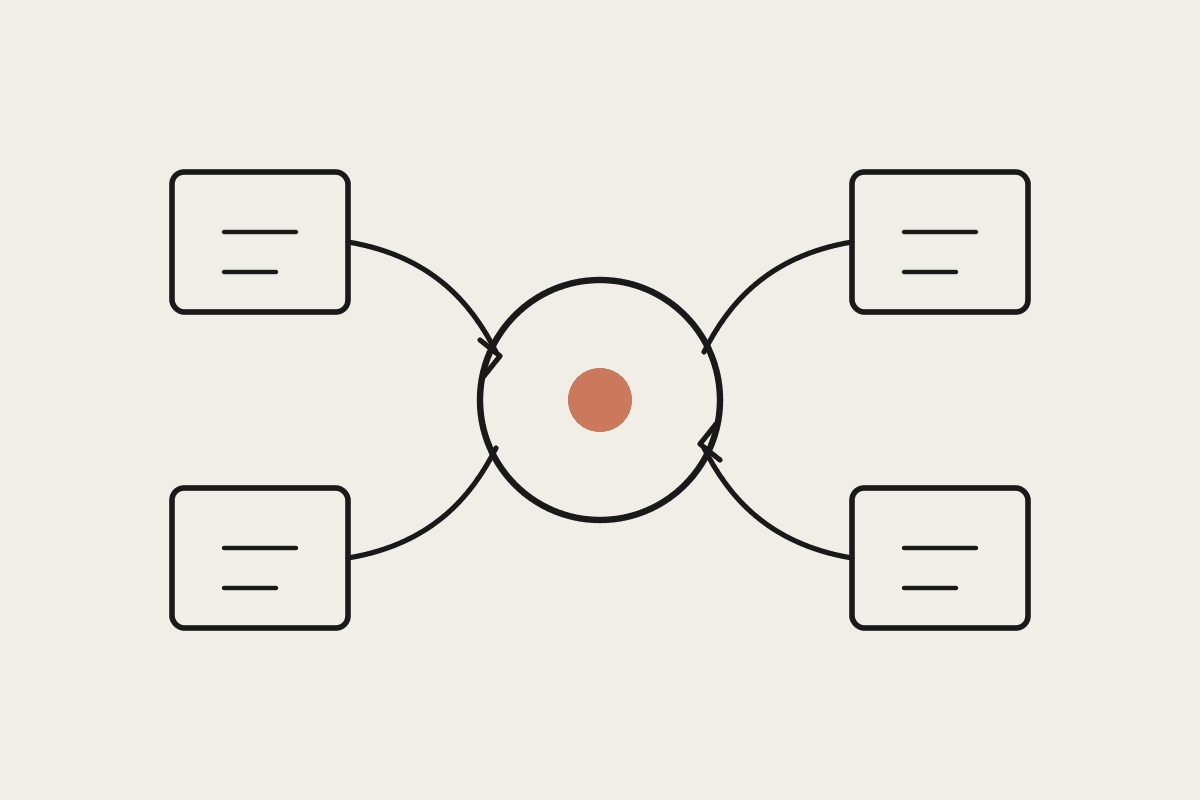
The setup that works reads incoming supplier price lists via an email or document connector, extracts the changed items, and matches them against your product records, then presents a clear comparison for a human to approve before anything updates in your live system. The valuable extra step beyond simple cost updating is margin flagging: if a cost increase would push your existing sell price below your target margin, that gets surfaced specifically, rather than the cost updating quietly while your sell price sits unchanged and margin erodes without anyone noticing.
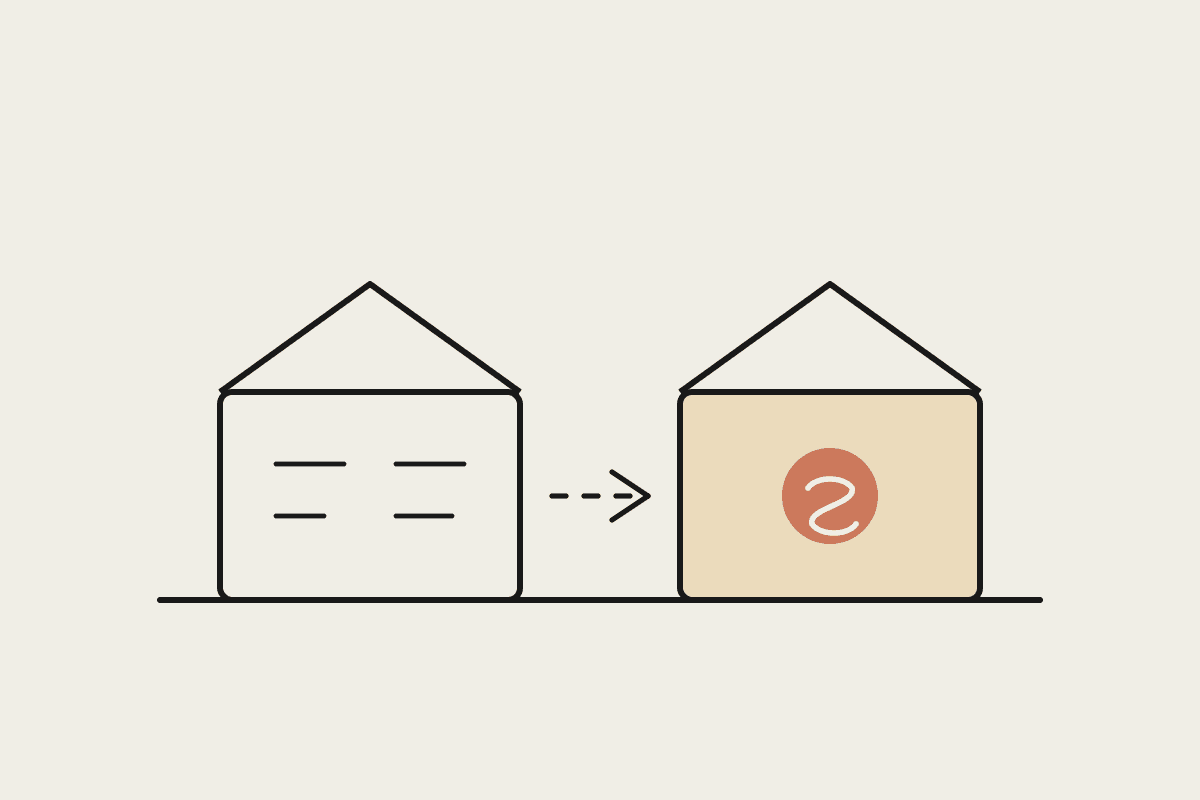
A Perth hardware retailer carrying around 3,200 SKUs from a dozen regular suppliers had been updating costs roughly once a quarter, purely because the process was tedious enough that it kept getting deprioritised against daily operations. An internal review found margin had drifted below target on approximately 140 items where supplier costs had risen but sell prices hadn't been adjusted, together costing an estimated $9,500 in eroded margin over two quarters before it was caught, a figure that only became visible once someone finally sat down and compared current supplier costs against what the point-of-sale system still thought they were paying. After automating the extraction, matching, and margin-flagging steps, cost updates now happen within a week of a new price list landing, and margin-threshold flags get resolved before they compound.
Handling suppliers whose price lists are genuinely messy
Not every supplier sends a clean, structured price list; some are scanned PDFs, some use product descriptions instead of consistent SKUs, some bury the actual price changes in a paragraph of covering text. The extraction step needs a confidence threshold here too, the same principle used in the AP inbox and expense categorisation patterns above, flagging anything it can't match with reasonable certainty for manual review rather than guessing at a SKU match that might be wrong. Getting a price update wrong in either direction, overcharging a customer or underpricing against real cost, is worse than a slower manual process, so the conservative default here is deliberate rather than a limitation to work around.
Deciding how often to check for new price lists
Weekly is a sensible default for most businesses, checking daily is overkill for suppliers who only send updates quarterly, and monthly is too slow for the suppliers who move prices often. The right cadence varies by supplier, and the more sophisticated version of this setup tracks each supplier's actual update frequency and adjusts the check schedule accordingly rather than applying one blanket rule across a supplier list with genuinely different behaviour.
What this isn't
This updates your internal cost records, it doesn't decide your sell pricing strategy or push updated prices to customers automatically; that pricing decision stays with whoever owns commercial strategy in the business. The automation's job is making sure the cost side of that decision is accurate and current, not making the pricing call itself.
Automata AI builds supplier price-list automation for Australian retail and trade businesses managing pricing across dozens of suppliers. If your costs are only as current as your last quarterly review, get in touch through /contact.