Claude now writes around 80% of the code that gets merged into Anthropic's own codebase. That single figure, published by Anthropic's security team last week, tells you two things at once. First, agentic coding has moved well past the experimental stage inside the company that builds Claude. Second, a security process built for human-paced development doesn't hold up once an agent is authoring most of the changes. Anthropic's Deputy CISO, Jason Clinton, wrote up exactly how his team rebuilt its controls to cope with that shift. For any Australian business running Claude Code in production, or weighing it up, that write-up reads like a reference architecture straight from the vendor itself.
Why the old security process broke
Anthropic's engineers now ship roughly eight times as much code per quarter as they did between 2021 and 2025. A review process designed around a human pace of pull requests becomes a bottleneck the moment agents start producing most of the volume. Anthropic's answer wasn't to slow Claude down. It was to rebuild its controls around three specific threats.
A compromised or prompt-injected agent introducing a malicious change into the codebase
Supply-chain or dependency poisoning that an agent absorbs as trusted input without questioning it
Ordinary vulnerability classes now arriving at a much higher volume, simply because more code is being written faster
Four moves worth borrowing
None of Anthropic's fixes require Anthropic's scale or headcount. They translate reasonably well to a business running a handful of repositories rather than a global codebase, which is exactly why this write-up is worth reading even if your engineering team is three people.
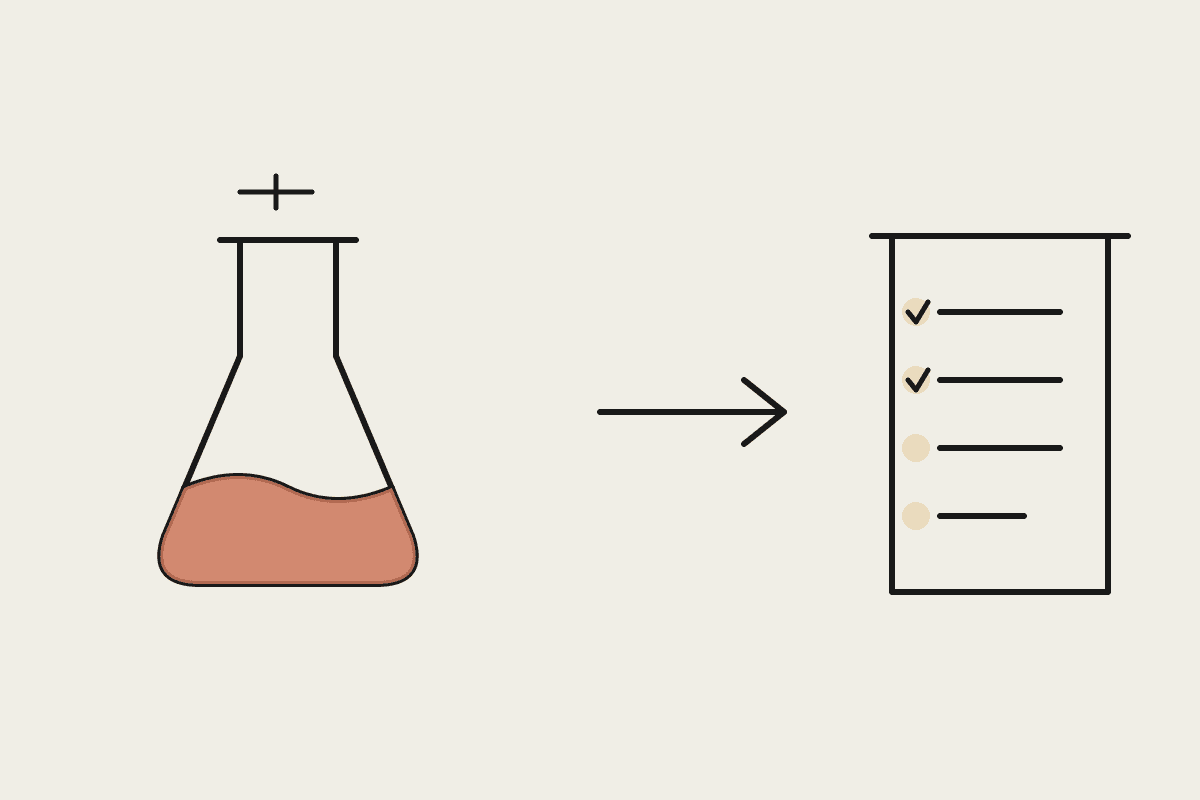
Security review earlier, not later. Anthropic connected an AI-powered project security review tool to its internal knowledge base of past decisions and policy, so risk gets flagged at the design stage rather than after the code is already written.
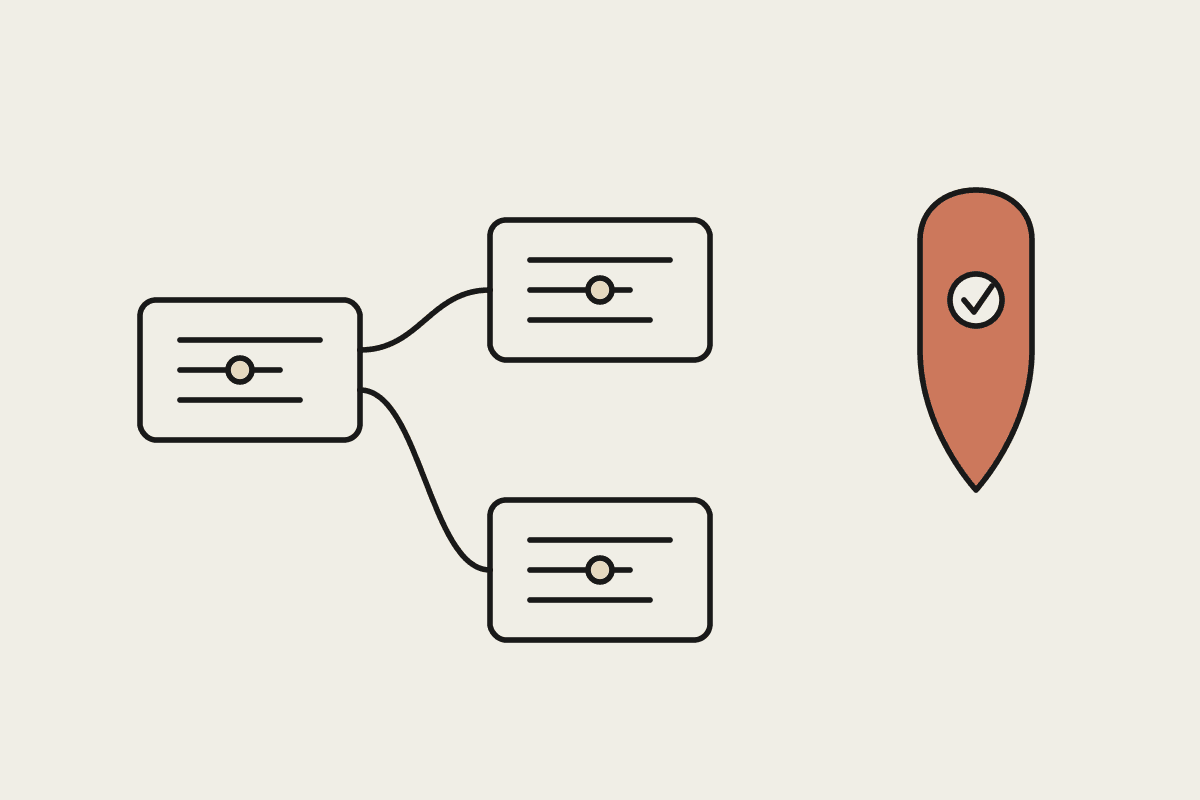
Hard identity and access boundaries. The damage any one agent can do is capped by what it is actually allowed to touch, not by hoping it behaves well.
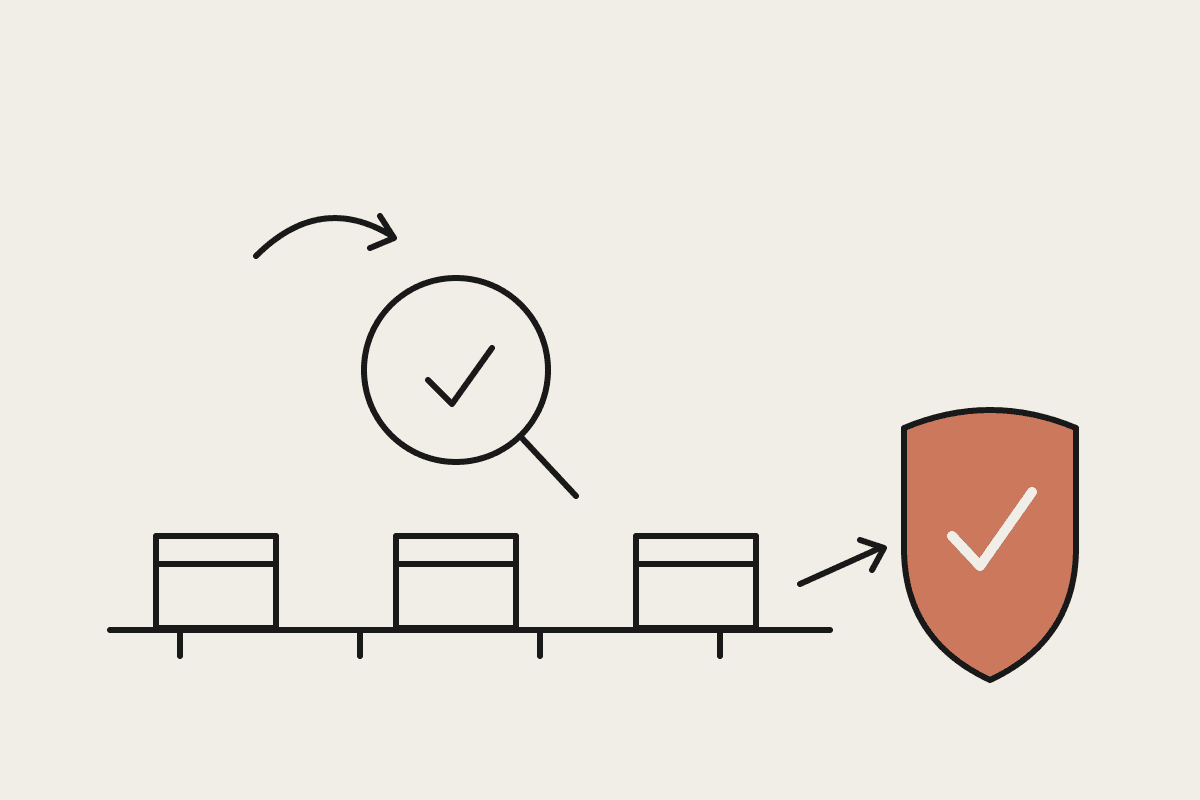
Deterministic checks stacked with agentic review. Automated tests and linters run first, followed by a second AI review pass, before a human needs to look at anything at all.
Humans kept at the highest-value checkpoints only. Not every commit needs a person to sign off. The ones that actually matter get one.
Why this matters for Australian businesses right now
Australia doesn't have a direct equivalent to some of the governance disclosures Anthropic has made overseas, but the practical exposure is familiar. Under the Privacy Act 1988, and for regulated entities under APRA's CPS 230 operational risk standard, a business is accountable for how it manages technology risk regardless of whether a human or an agent introduced the fault. Telling a regulator, an insurer, or a board that the model did it will not satisfy anybody, and it will not change who signs the breach notification.
The cost of getting this wrong isn't abstract. Manual incident response for a moderate security incident, once engineering time, external forensics, and client notifications are all counted, routinely runs $50,000 to $150,000 AUD. A security review built into the Claude Code workflow from day one costs a lot less than that bill, and a lot less than explaining the gap to a client afterwards. Whether your team is in Sydney, Melbourne, or Brisbane, that maths doesn't change.
What a first governance review actually covers
Most Australian small and mid-size businesses adopting Claude Code jump straight to the productivity gains and never formalise the guardrails Anthropic is describing. A sensible first pass covers three things.
Map exactly which repositories and environments Claude Code is allowed to reach, and which ones it should never touch
Add a lightweight review step for anything touching production credentials or customer data
Agree in writing which commits need a human sign-off and which are trusted to merge on their own
None of this needs Anthropic's engineering headcount to be worth doing. It needs a decision, made before the fact, about what your agents are allowed to do. That's usually a shorter conversation than most business owners expect, and it's the first thing worth settling before you scale up how much of the codebase Claude is trusted to touch unsupervised.
Automata AI helps Australian businesses put exactly this kind of governance layer around Claude Code before it becomes a problem, not after. If your team is shipping with Claude and hasn't mapped out the access boundaries or sign-off rules yet, book a brainstorm session with us and we'll walk through what a first governance review should look like for your pipeline.