Moonshot AI's Kimi K3 landed on Hugging Face this week as a mixture-of-experts model with 2.8 trillion total parameters spread across 896 experts, a 1 million token context window, and native vision support. Early benchmark results showed it outperforming several closed frontier models on selected tasks, and the release reignited debate in Washington and Beijing about whether open-weight models at this scale should carry export restrictions.
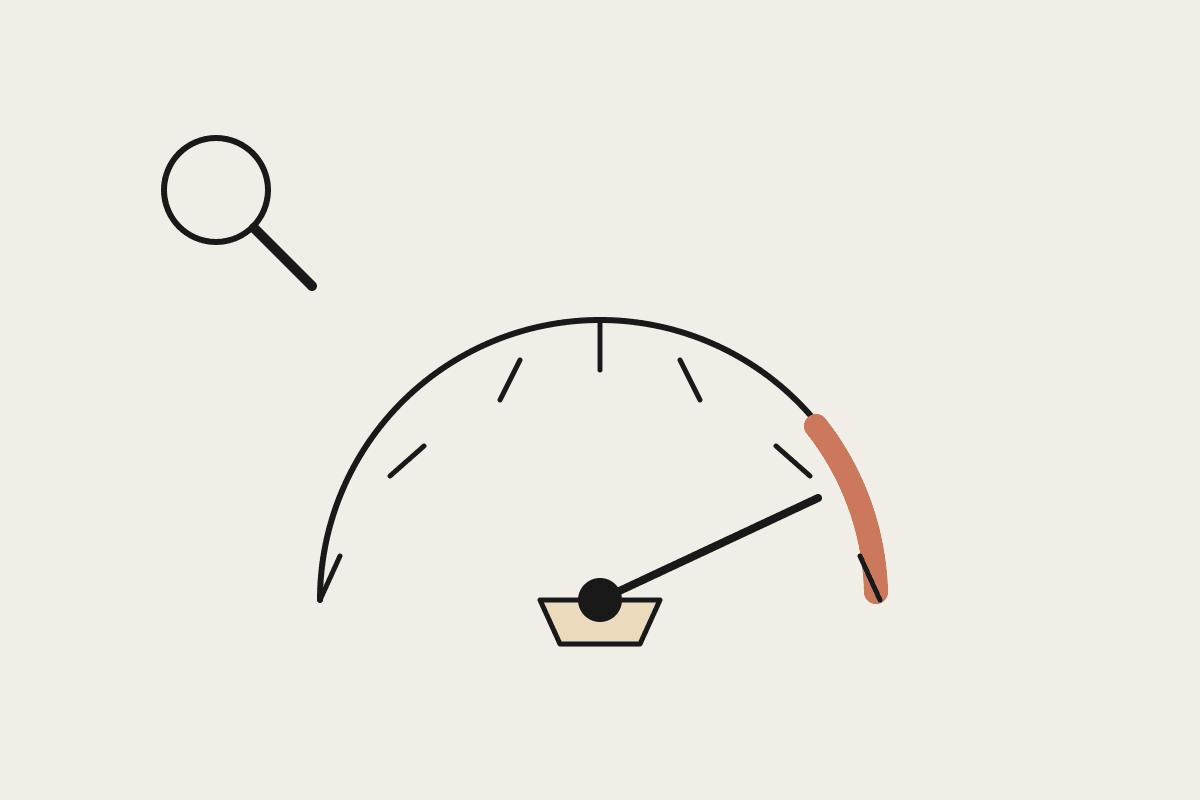
None of that changes much for a business in Sydney or Melbourne trying to decide whether to build on it. The 2.8 trillion figure is the number a vendor will lead with in a pitch deck, and it is close to useless for evaluating fit. What actually determines cost and performance is active parameters per token, real-world accuracy on your document types, and the total cost of running the thing in production, not a leaderboard score.
What a mixture-of-experts model actually means for cost
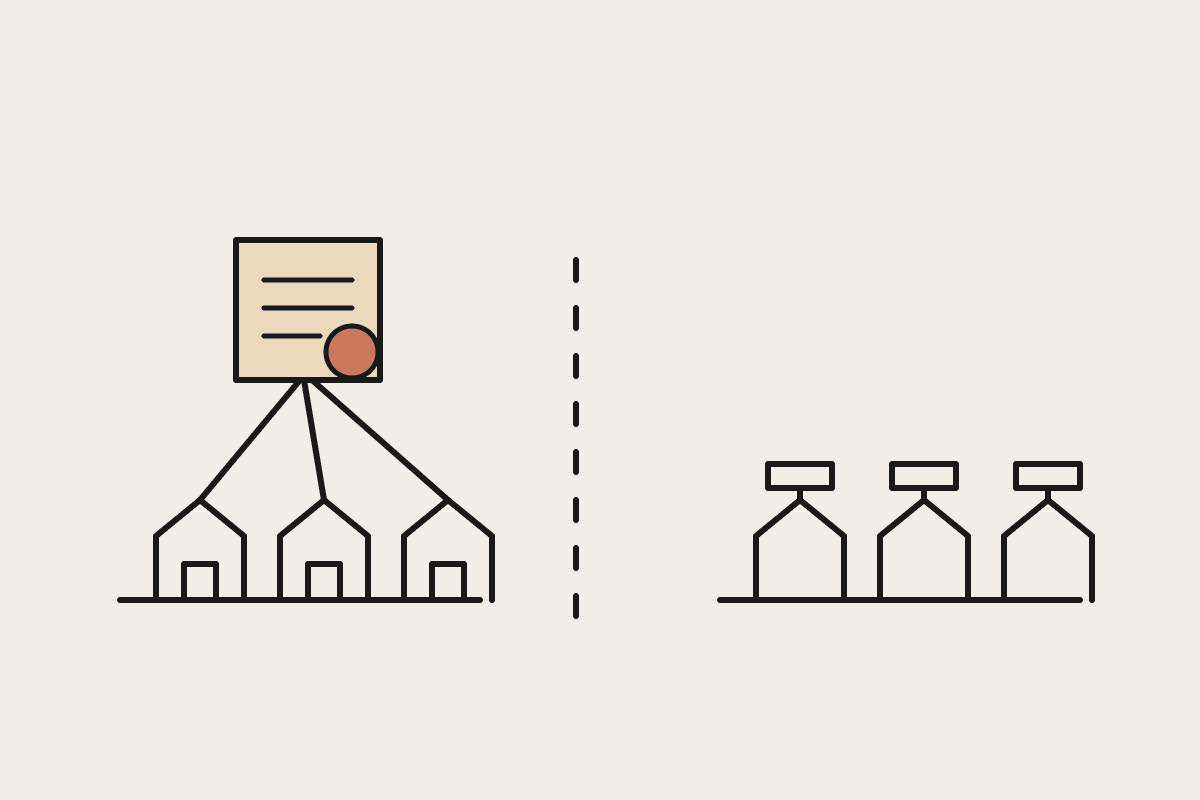
Kimi K3 uses a mixture-of-experts (MoE) architecture, which means only a fraction of its 2.8 trillion parameters activate for any given request. That is good news for inference cost relative to a dense model of the same size, but it does not make the model small to operate. Serving an MoE model at this scale still needs a cluster of high-memory GPUs, careful routing infrastructure, and a team that can keep it patched and monitored around the clock.
Automata AI has tracked four "biggest model yet" launches this year alone: GLM-5.2, MiniMax M3, DeepSeek V4, and now Kimi K3. The pattern repeats each time. A splashy benchmark result, a short window of hype, then a quiet reckoning with what self-hosting actually costs once the novelty wears off.
The real cost of running it yourself
Before any Australian business signs off on a Kimi K3 pilot, the finance conversation needs three real numbers on the table, not a benchmark screenshot.
Infrastructure: a production-grade deployment of a trillion-parameter MoE model typically runs well over $80,000 a year in cloud GPU spend, before a single business workflow has been built on top of it.
Maintenance: someone on the team, or a contractor on retainer, needs to own patching, routing configuration, and failure monitoring. That rarely lands as a zero-cost line item, even at a modest $1,500 to $3,000 a month.
Accuracy on your documents: vision benchmarks are built on clean, well-lit test sets. Real Australian paperwork, handwritten forms, faxed invoices, scanned ASIC filings, tends to expose the gap between a benchmark score and a usable result.
Where an open-weight model like this can make sense
This is not a blanket case against open-weight models. A business with in-house ML engineering, a genuine data residency requirement that rules out managed APIs, or a narrow high-volume task where inference cost dominates everything else can have a real case for self-hosting. That is a small slice of the Australian SMB market. Most businesses evaluating Kimi K3 this week are doing it because a vendor showed them a benchmark chart, not because they have already ruled out the managed alternative.
The Claude-first read
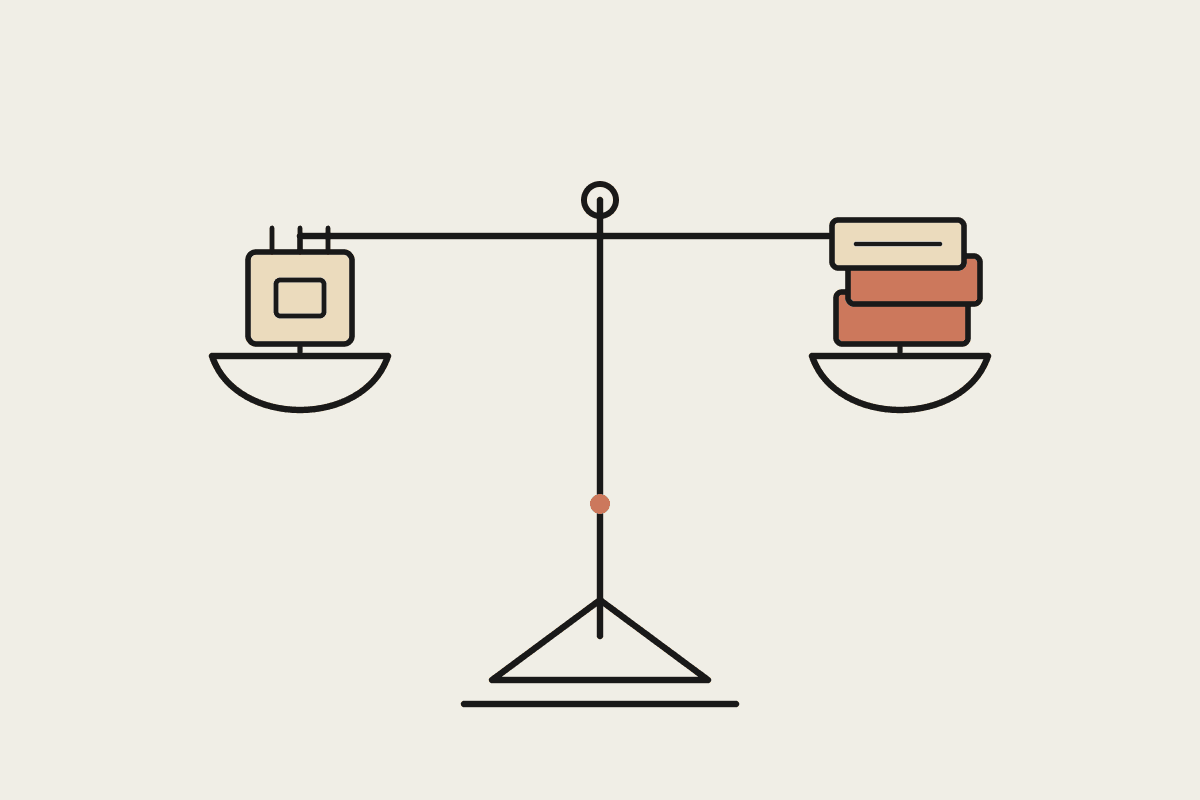
We stay Anthropic-aligned for a specific reason: Claude ships with governance controls, tool use, audit trails, and enterprise support that a model released four days ago has not had time to build or prove. That maturity matters more than a benchmark win when a workflow is going in front of a customer or handling commercially sensitive data under the Privacy Act. Kimi K3 is worth watching. For most Australian SMBs this quarter, it is not worth adopting.
The same budget a Kimi K3 pilot would consume tends to go further spent differently:
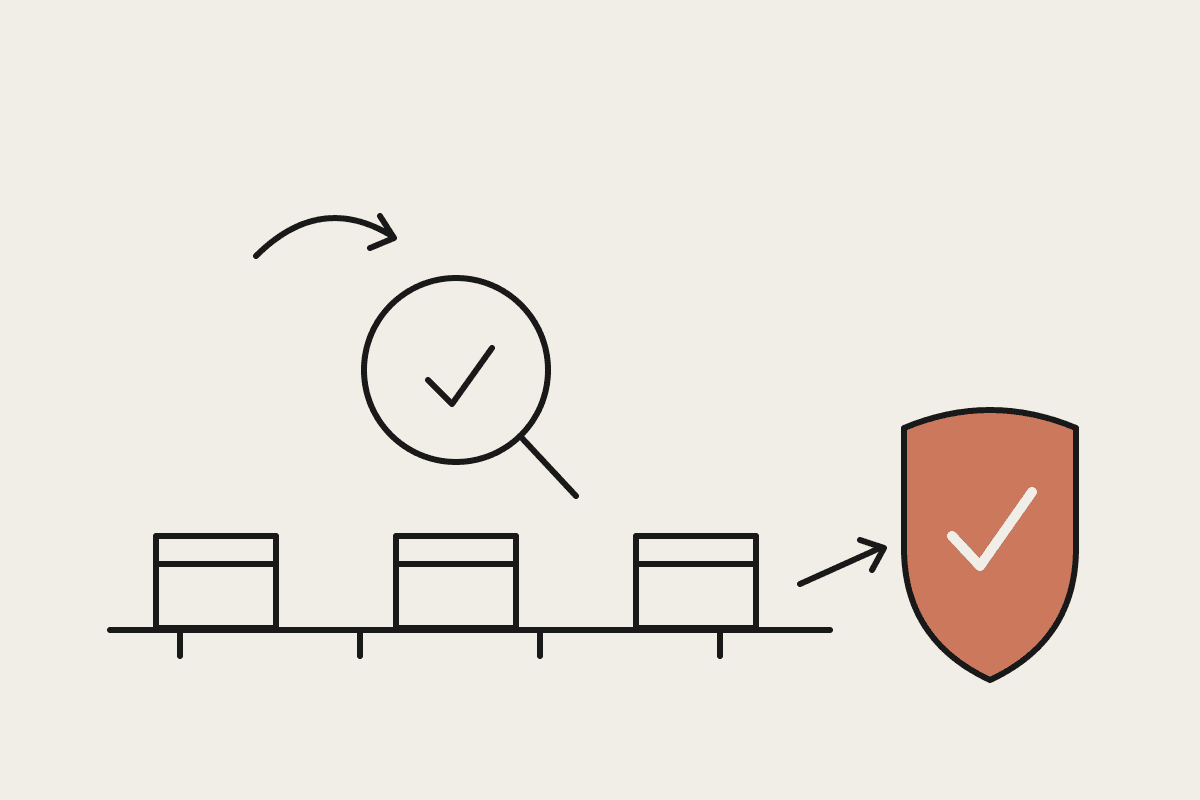
A scoped audit against your actual document types and workflows, typically $3,500 to $6,000, tells you what a model needs to handle before you commit to infrastructure.
A managed Claude pilot gets a working automation live in weeks, not the months a GPU procurement and MLOps build usually takes.
A documented fallback plan covers the licensing risk. Two open-weight labs have already changed their terms mid-year, and a business with no fallback is exposed every time that happens.
What to ask before the next pitch
If a vendor brings you Kimi K3, or whatever trillion-parameter model ships next month, three questions separate a real evaluation from a benchmark-driven decision: what is the active parameter count per token, what does the model score on a task that looks like yours rather than a public leaderboard, and what is the fully loaded cost including the staff time to keep it running. If a vendor cannot answer those three, the pitch is not ready for your budget.
Automata AI runs Claude-first automation builds for Australian businesses that want the productivity gain without running an open-weight research project in production. Book a brainstorm session if you want a second opinion before committing budget to Kimi K3, or any model like it.