Nvidia, Microsoft and Meta issued public warnings this week against what they called premature restrictions on open-weight AI models. It's a response to growing interest from both the US and Chinese governments in controlling how far frontier model weights can travel. Their argument: restricting open weights now, before the policy questions are settled, risks ceding ground to whichever country moves fastest, largely China.
For Australian businesses this can read as a distant US policy fight playing out in Washington think tanks. It isn't quite that simple. Australia doesn't set global AI export policy, but every restriction the US or China puts in place changes which models AU businesses can safely build on, and for how long.
The lobbying effort, and who benefits from it
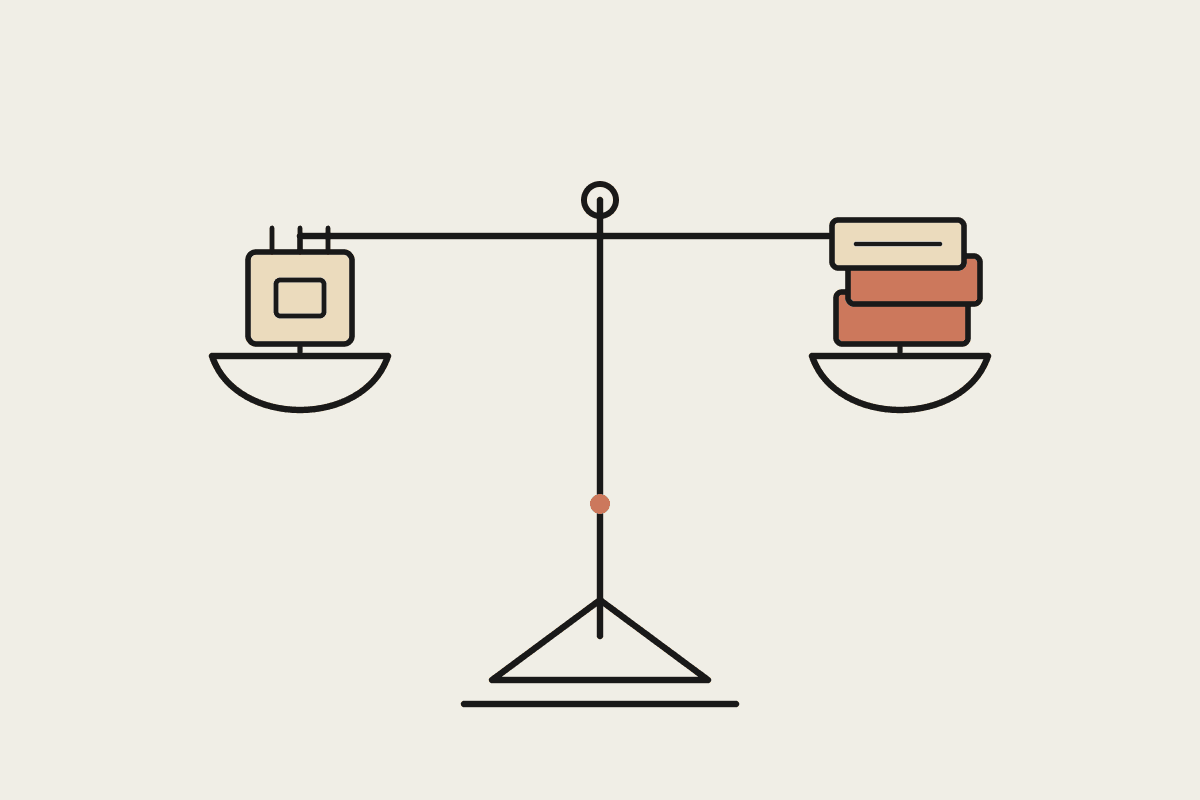
The three companies lobbying here all have a commercial stake in the outcome. Nvidia sells the chips that run these models at scale. Microsoft and Meta both ship open and semi-open models of their own, and both compete directly with closed-model vendors including Anthropic and OpenAI. Their lobbying isn't neutral, but the underlying policy uncertainty they're pointing at is real.
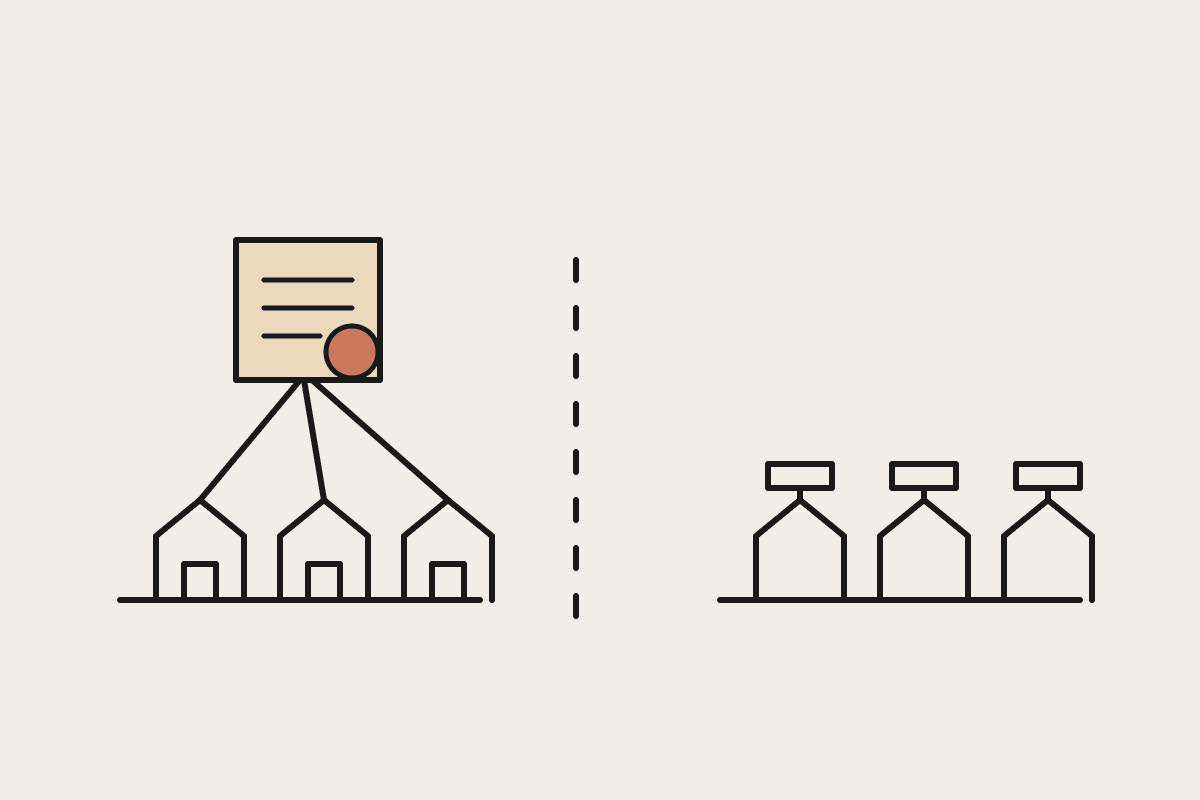
The pitch to policymakers is straightforward: open weights let more companies, including smaller ones in Sydney, Melbourne and Brisbane, build AI products without depending on a handful of API vendors. That's a genuine benefit. It's also a convenient argument for chip and cloud companies whose revenue scales with how many organisations are running their own models rather than paying a subscription to someone else.
It's worth separating the two lobbying tracks. Nvidia's interest is volume: more self-hosted deployments mean more chips sold, regardless of which model runs on them. Microsoft and Meta's interest is closer to home. Both companies want their own open and semi-open releases treated the same as fully proprietary systems, which shapes how they'd like any future restriction to be drawn.
Why this affects your AI roadmap
If you've built any part of your stack on an open-weight model, whether that's a self-hosted Llama variant, a Chinese open model like DeepSeek or Qwen, or something in between, the policy fight determines how stable that foundation actually is. Three scenarios matter most for planning purposes.
If the US tightens export controls on open-weight releases the way it already has for select closed models, the free and easy self-hosting story that open-weight vendors sell today could change within a single budget cycle.
If China restricts foreign access to Chinese-origin weights, a live discussion in Beijing right now, several models AU businesses currently self-host could lose future updates or support entirely, with no local recourse.
Regulatory uncertainty of this kind tends to favour vendors with clear, stable commercial and legal terms, which is part of why Automata AI keeps recommending Claude as the default for anything mission-critical.
None of this means open-weight models are unsafe to use today. It means the assumption that they'll be freely available and supported in twelve or twenty-four months is weaker than most vendor pitch decks let on. A Melbourne logistics operator we spoke with recently had built a document-classification pipeline on a self-hosted open model precisely because it looked like a one-off cost. The real risk wasn't the model breaking, it was nobody budgeting for the day it needed replacing.
What Australian businesses should actually do
Nobody in Canberra is drafting AI export policy that mirrors Washington's or Beijing's, and nothing here requires an immediate compliance response under APRA, AUSTRAC or the Privacy Act. What it does require is honest risk-weighting in your AI vendor decisions, the kind boards increasingly expect to see documented.
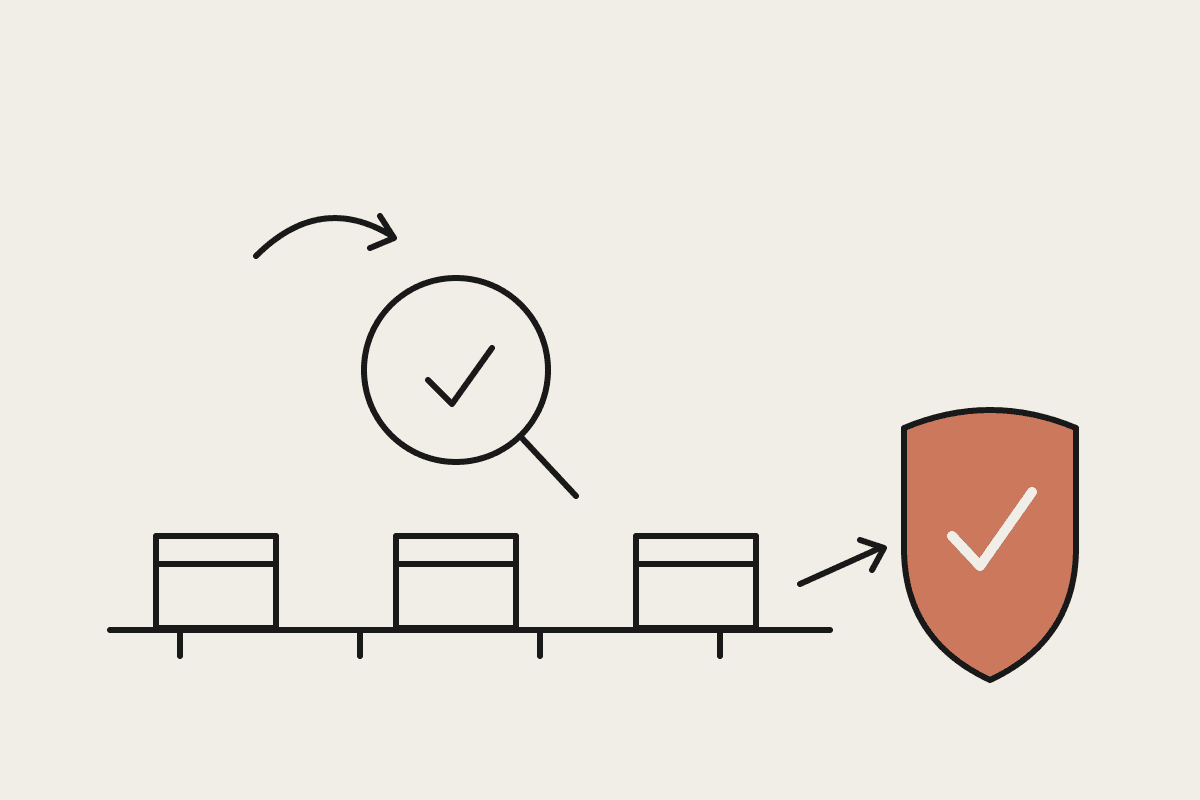
Treat any open-weight model as a dependency with a shelf life that could shorten with little warning, not a permanently free asset you can build a five-year roadmap on.
Build a documented fallback plan for any workflow running on a Chinese or geopolitically exposed open-weight model, budgeting roughly $10,000 to $18,000 for a Claude-based migration if the model becomes unsupported.
Keep an eye on this story over the next two quarters. If either government moves from discussion to actual restriction, the calculus for self-hosted open models changes quickly, and you want that decision made calmly, not under deadline pressure.
The bottom line
Lobbying announcements rarely change anything on their own, but they're a reliable early signal of where a policy fight is headed. When the companies with the most to lose start warning publicly about restrictions, it's usually because those restrictions are further along than the public conversation suggests.
That doesn't mean Australian businesses need to rip out working open-weight infrastructure this quarter. It means treating vendor concentration and jurisdiction as real inputs to the decision, alongside cost and performance, rather than an afterthought raised only once something breaks.
Automata AI tracks this policy landscape as part of our Claude-first advisory work so clients don't have to reverse-engineer it from press releases. If you want a plain-English read on how exposed your current AI stack is to this kind of policy shift, book a session and we'll walk through it.