Agribusiness gets pitched AI as yield prediction and computer vision, which is real and mostly relevant to operations large enough to have an agronomy team. For the majority of Australian farming businesses the immediate return sits somewhere much less exciting: compliance paperwork, supplier correspondence and the record-keeping that buyers and auditors demand.
Where the paperwork actually accumulates
Australian producers carry a documentation load that has grown steadily: chemical application records, biosecurity declarations, food safety certification, environmental reporting, and whatever the specific buyer requires on top of all of it.
Chemical and treatment records that must be accurate and retrievable years later
Buyer and certification audits, each wanting the same information in a different format
Supplier and agent correspondence, much of it repetitive
Labour records across a seasonal workforce with high turnover
None of this grows anything. It is the cost of being allowed to sell, and it lands on whoever in the business is least able to refuse it, usually at night after a fourteen-hour day.
What AI does well here
Turning unstructured input into structured records, and turning structured records into whatever format the next audit wants. A spoken note from the cab becomes a compliant application record; twelve months of those records become the report a certifier asked for.
The second half is where the time is. Producers generally do keep records; what consumes weeks is reformatting them for each different buyer and scheme, and that is mechanical work with a clear right answer and no judgement required.
Connectivity is the design constraint
Large parts of rural Australia have patchy mobile coverage, and any workflow that requires a live connection at the point of capture will fail during the exact weeks it matters most.
Capture offline, process on reconnect. This is the single decision that determines whether a system gets used through harvest or abandoned in week two, and it is why generic tools designed for city offices do so badly on farm.
Where open weights come in
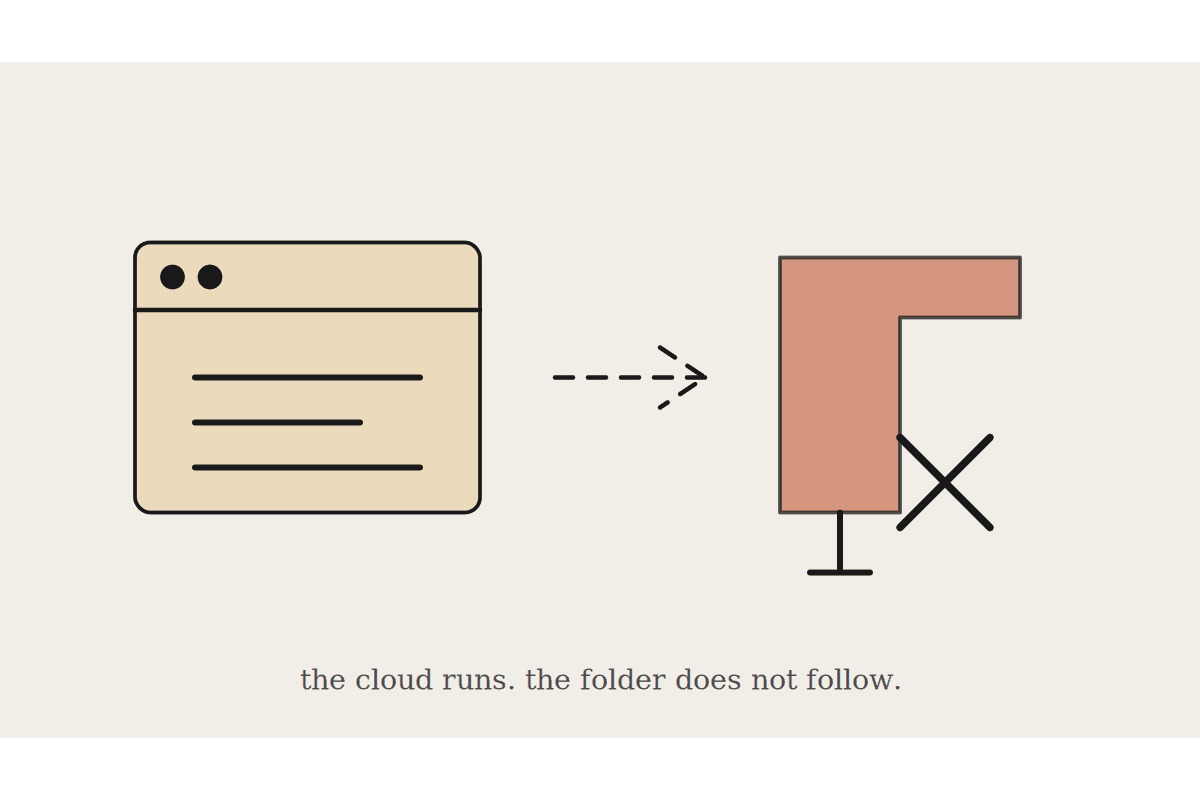
The interest in models you can run yourself is mostly about not depending on a connection or a subscription. A model running on local hardware in the shed keeps working when the link drops, which has obvious appeal in a business where the link drops regularly.
The counterweight is that someone has to maintain it. Unless the operation already has technical staff, a hosted service with good offline capture is the more realistic answer, and the open-weight option is worth revisiting only at genuine scale.
What it is worth
A mixed farming operation where compliance and administration consume one day a week of an owner-operator's time is losing something like fifty days a year. Valued conservatively at $600 a day of management time, that is $30,000 annually, before counting the cost of a rushed audit or a rejected consignment.
The larger risk is concentration: it usually falls on one person, and if that person is unavailable during a critical window the business has a real problem. Making the record-keeping less dependent on one head is worth as much as the recovered hours.
Seasonal labour and the same twenty questions
A workforce that turns over each season asks the same induction and process questions every year. A well-grounded assistant answering from your own documented procedures takes that load off supervisors during the busiest weeks of the calendar.
Keep it grounded in your actual documents rather than general knowledge. Safety and chemical handling answers must come from your procedures and the relevant label, not from a model's general impression of good practice.
Traceability is becoming the buyer requirement
Export markets and major domestic buyers keep tightening provenance and treatment documentation. The direction is consistent even if the specific requirements differ, and the businesses that already keep clean structured records will meet the next standard cheaply.
That is the strategic argument for tidying record-keeping now rather than when a buyer demands it. Retrofitting traceability across several seasons of paper is considerably more expensive than capturing it properly from the start.
Starting without disrupting a season
Do not begin during harvest or calving. Pick the quietest month, choose one record type that currently causes the most audit grief, and run the new capture alongside the existing method rather than replacing it.
Running both for a few weeks feels wasteful and is the reason these projects survive. It gives you a direct comparison, and it means a failure costs nothing more than the duplicated effort you had already budgeted.
What not to conclude
This does not make agronomic decisions and should not be asked to. Chemical rates, withholding periods and treatment choices are label and adviser territory, and a model's general knowledge is not a substitute for either.
Nor is a compliance record something to generate without review. The value is in removing the transcription and reformatting, not in inventing the content. Whoever is legally responsible for the record still needs to read it before it is filed.
If compliance paperwork is eating a day a week on your operation, book a short call and we will look at which parts are genuinely mechanical.