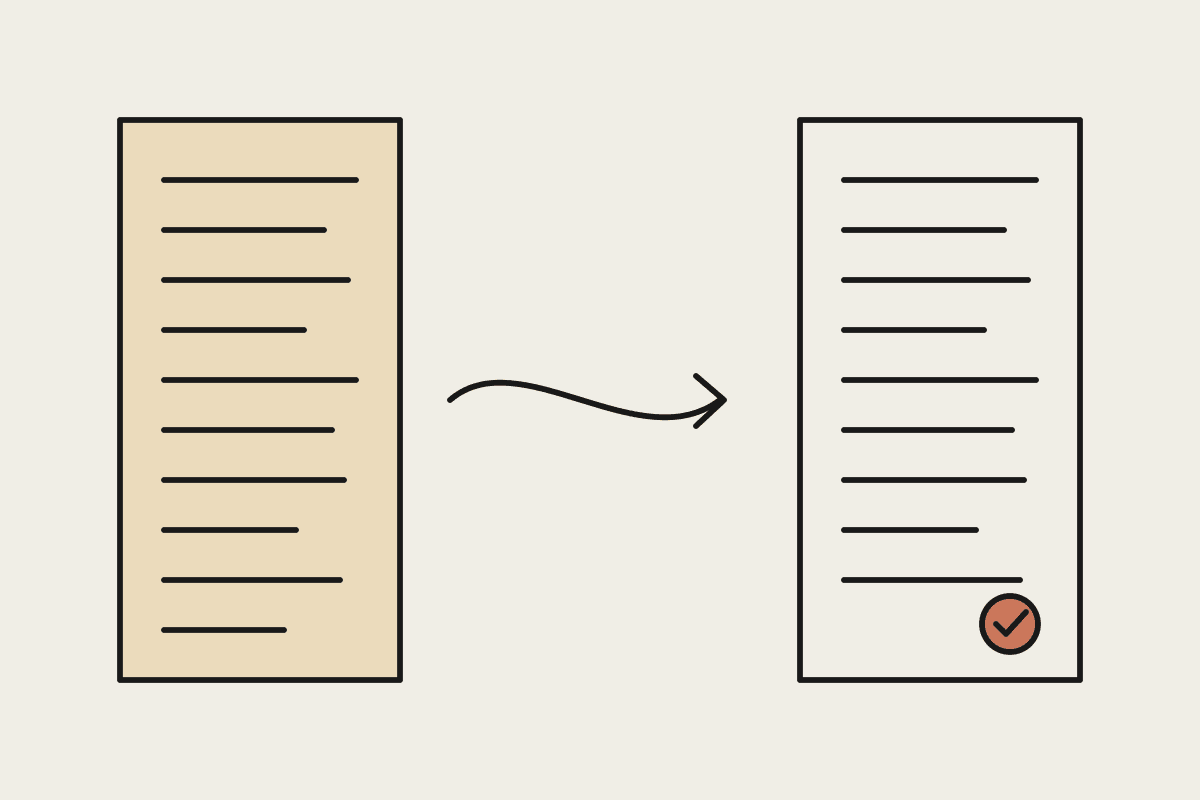
In the same week in early October 2026, two open releases landed that were easy to miss because neither of them chats. Cloudflare published Clef and Clef-flash, open decision models at 27B and 9B parameters. Amazon published Strands Decider, a 2B model shipped with its full weights, training data and training scripts on Hugging Face and GitHub. None of them is built to draft an email. Each is built to make one call: yes or no, this queue or that one, flag or clear.
That makes them a new category in the open-weight market, and the useful thing for an Australian business is not the model names. It is that this category has to be bought, tested and governed differently from the chat models most teams have spent two years evaluating.
What is an open-weight decision model?
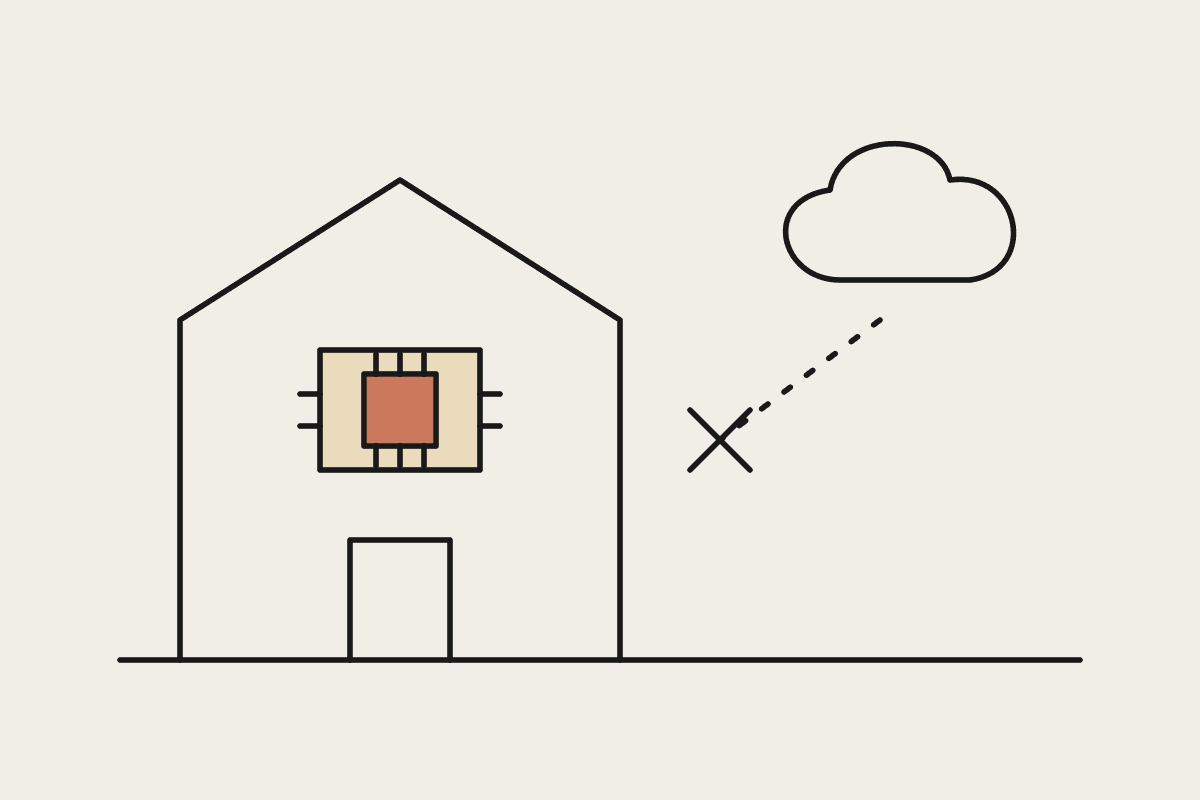
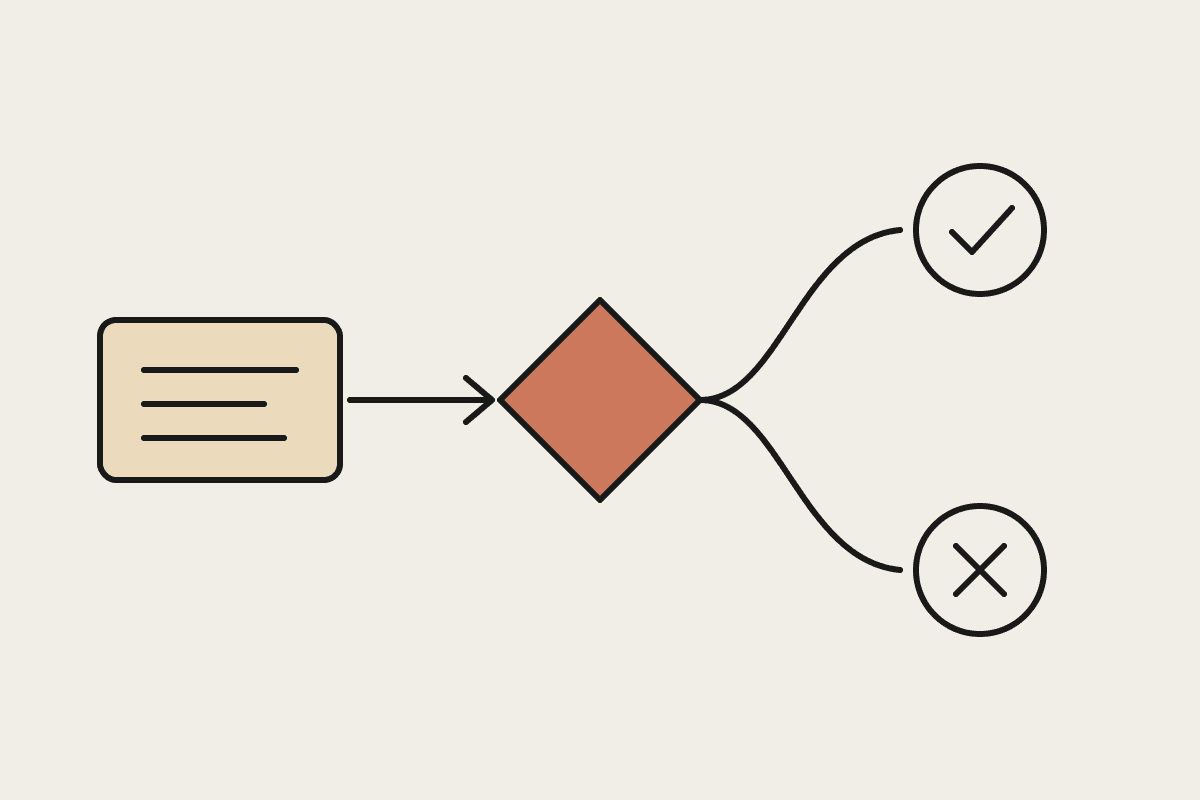
An open-weight decision model is a downloadable AI model trained to return a single bounded answer, such as a classification, a label or a choice between a small set of options, rather than free-form text. You give it a support ticket, a transaction or a document and it returns something like "urgent", "invoice" or "needs review" in a few hundred milliseconds. There is no conversation, no long context window and no creative writing. Because the weights are published, you can run it yourself or through a host of your choosing, and you can inspect what it does.
The closest analogy is a well-trained junior who sorts the mail. You would not ask them to write the board paper, and you would not judge them on how eloquent they are. You would judge them on how often they put the letter in the right pile.
Why chat isn't the point
Most of the AI evaluation work we see in Sydney and Melbourne mid-market firms is built around chat: how well does the model explain, summarise, draft and reason in prose. Those are the wrong tests for a decision model, and applying them leads to two mistakes. Teams either dismiss the model because its answers look terse and unimpressive, or they accept it on the strength of a vendor benchmark that has nothing to do with their own data.
The questions that matter for a decision model are narrower and more measurable:
How often does it agree with the decisions your own people already made, on your own historical cases?
What does it do when it is unsure, and can you see that uncertainty?
Which kinds of errors does it make, and which of those errors are expensive for you?
Can you explain, after the fact, why a given input got a given label?
None of those questions is about writing quality. All of them are about whether the output can stand as a business decision that someone may later need to defend.
Chat model versus decision model at a glance
The difference shows up in almost every attribute you would put in an evaluation sheet:
| Attribute | General chat model | Decision model |
|---|---|---|
| Output | Free-form text | One label or choice |
| Typical size in this wave | Tens to hundreds of billions of parameters | 2B to 27B parameters |
| Response time | Seconds | A few hundred milliseconds |
| How to judge it | Quality of reasoning and writing | Agreement with labelled past decisions |
| Audit record | A paragraph to interpret | A single value you can log and count |
| Licence in this wave | Varies | Clef pair Apache 2.0; Strands Decider fully open |
The last row matters more than it looks. Clef and Clef-flash are Apache 2.0 licensed and priced at around $0.24 and $0.09 per million input tokens respectively when hosted. Strands Decider is free, and its training data is public. For a category this young, that much openness is unusual, and it gives buyers more to inspect than they usually get.
How to evaluate one before it touches a live process
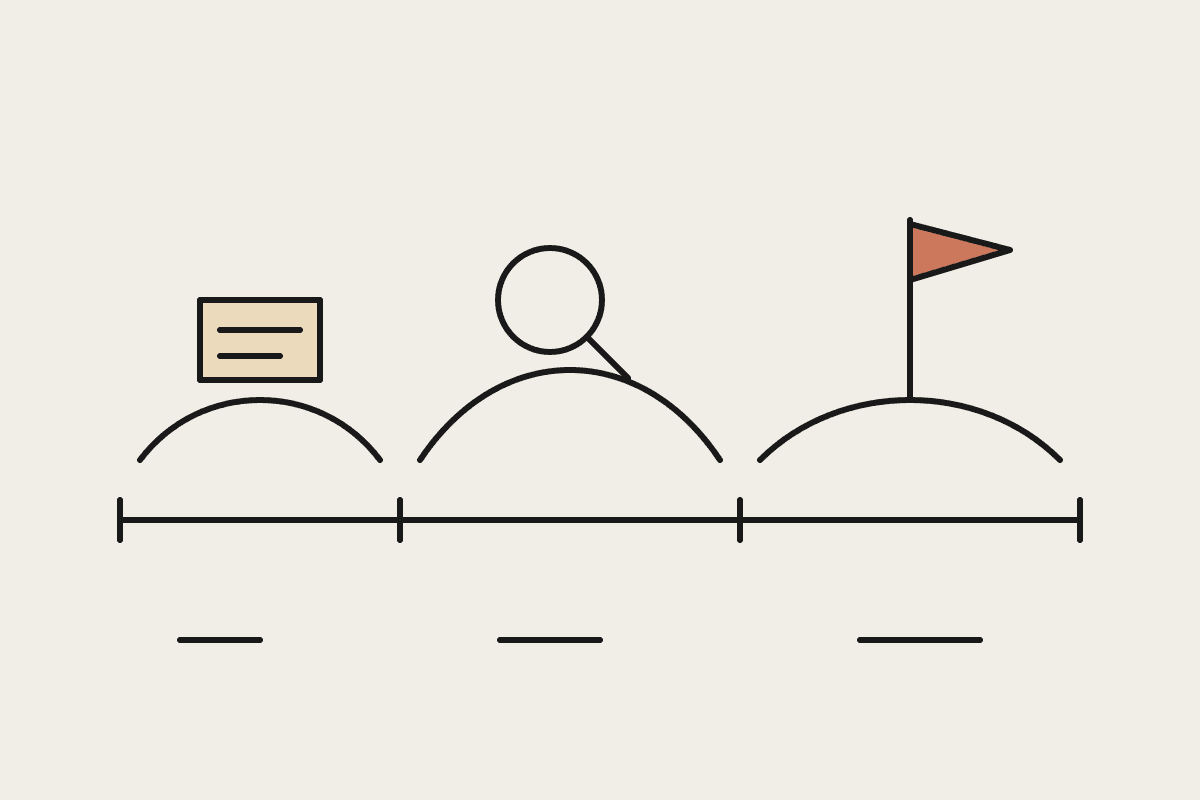
Because a decision model returns a value rather than prose, you can test it the way you would test any classifier. That is a real advantage: the evaluation is cheaper and more objective than anything you can do with a chat model. A practical sequence we use:
Build a labelled set from your own history
Pull a few hundred past cases where a person already made the call, such as tickets that were escalated, invoices that were queried or documents that were filed under a given type. Those labels are your ground truth. Vendor benchmarks tell you how the model performs on someone else's mail; your history tells you how it performs on yours.
Decide the low-confidence rule before you start
Every decision model will be unsure about some inputs. Write down in advance what happens then: does the case go to a person, to a larger model, or into a holding queue? Making that rule up after the first bad call is how processes drift.
Log every miss for the first 90 days
Keep a simple record of each misclassification and what it should have been. After three months that log is your own evidence base, and it is far more persuasive to a risk committee than any published score.
Where the risk sits
A wrong label on a marketing enquiry is an inconvenience. A wrong label on a transaction that should have been flagged for AUSTRAC purposes is a compliance problem. The speed and low cost of decision models make it tempting to wire them into exactly those high-volume, high-consequence flows, so the evaluation steps above are not optional for regulated work. If the decision affects an individual, also check how it fits the new transparency rules covered in our note on automated decisions and the Privacy Act.
To put a rough scale on the work, as an illustrative figure only, building a labelled test set of 500 historical cases and running a structured evaluation typically takes a few days of an analyst's time, around $3,000 to $6,000 in AUD for a mid-market team. That is small next to the cost of one misrouted regulated case.
Where decision models fit next to Claude
Decision models do not replace a reasoning model. They sit in front of one. We still build client-facing and judgment-heavy work around Claude, and a decision model is a candidate for the repetitive sorting step that happens before that work begins. This is the same pattern we describe in our piece on running Claude and an open-weight model side by side, and it connects to the broader shift towards small open models that run on one GPU.
If you want help working out whether any of your current AI workloads is really a classification job dressed up as a chat task, get in touch and we can look at it together.