Bilibili has released Index-Translate-35B-A3B, an open-weight translation model under the Apache 2.0 licence. It is a mixture-of-experts model covering 150 languages, and it has a context window of 262,144 tokens. That last number is the one Australian service providers should pay attention to. It is long enough to translate a full client intake pack, a multi-page consent form or a lengthy care plan in a single pass, rather than chopping the document into fragments that lose track of each other.
For NDIS providers, settlement services and multicultural health services, translation is a large and growing cost line. This release does not remove the need for qualified translators. It does change the economics of the first draft, and it gives organisations handling sensitive client records a way to keep that drafting on infrastructure they control.
Why does a 262K context window matter for translation?
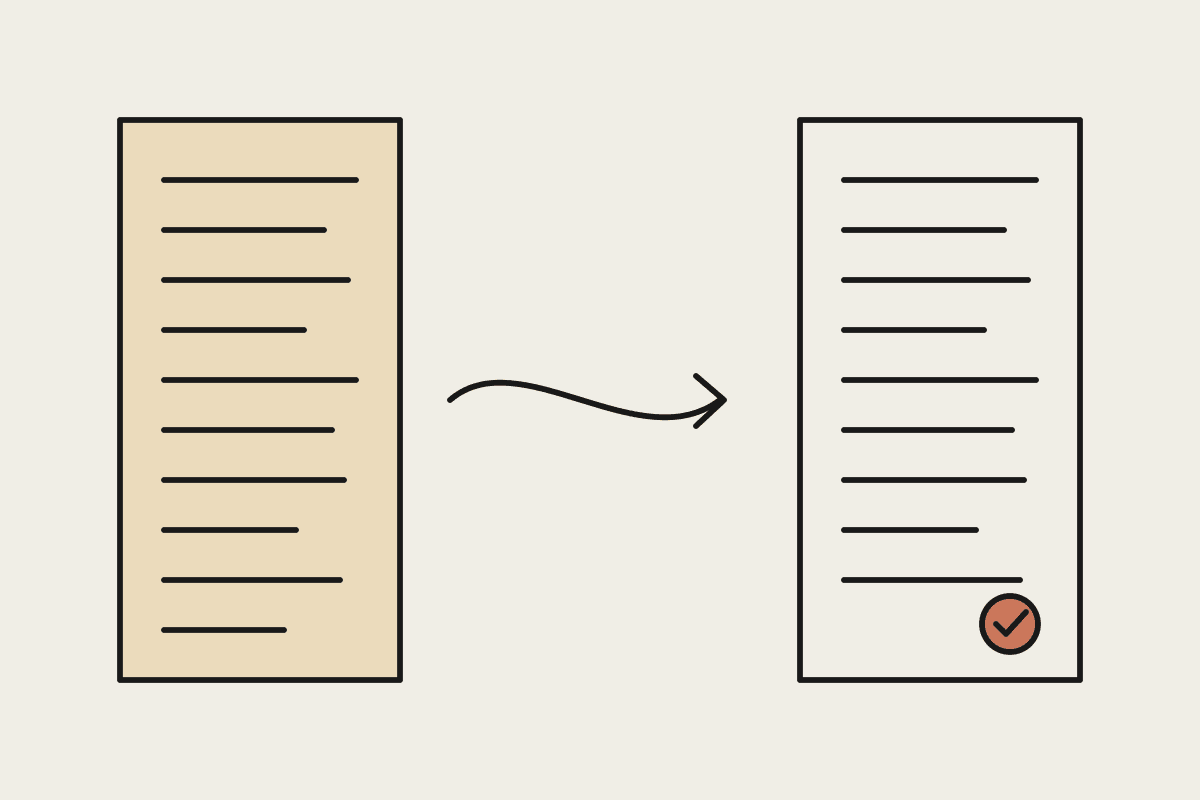
A 262,144-token context window lets the model read and translate an entire long document as one coherent unit. Care plans, consent forms and intake packs are full of internal references, such as defined terms, earlier sections and named supports. When a tool splits a document into chunks, those cross-references can be translated inconsistently or lose their meaning. Translating the whole document at once keeps terminology and references aligned from the first page to the last.
Most general-purpose translation tools were never built to treat a long, internally referential document as a single unit. They work well on a paragraph or an email. They work less well on a 30-page plan where the term used on page two needs to match the term on page twenty-six, and where a reviewer has to chase every inconsistency by hand.
Where Australian services feel the difference
Australia runs a lot of services that depend on accurate, context-aware translation at volume. NDIS providers work with participants and families who speak a first language other than English. Migration and settlement services handle document-heavy casework. Multicultural health services across Sydney, Melbourne and Brisbane serve communities that speak dozens of languages. Most of these organisations either pay per page or per hour for professional translation, or lean on consumer translation tools that were not designed for this kind of document.
A long-context, open-weight translation model helps in three specific ways:
A full intake pack, consent form plus supporting documents, can be translated in one pass instead of being split across multiple calls that risk losing context between sections.
Open weights mean an organisation handling sensitive client information can run the model on infrastructure it controls, rather than sending documents through a third-party translation service.
Coverage of 150 languages reaches well past the handful of languages most commercial translation tools prioritise, which matters for smaller community languages.
The Apache 2.0 licence permits commercial use, so a provider can build it into an internal workflow without negotiating a separate licence.
We looked at the broader pattern of AI-assisted translation pipelines in our guide to AI translation workflows for multicultural services. This model is a new option for the drafting stage of that pipeline, not a replacement for the review stages around it.
What it does not replace
This is a drafting and first-pass tool. It is not a substitute for a qualified human translator on anything where accuracy has legal or clinical consequences. NDIS plans, consent forms and anything touching a person's care or legal standing still need professional review before they go out. There is no grey area on that point, and any provider that treats the model output as final is taking on risk it does not need.
Where the model earns its place is in cutting the time a translator spends producing the first draft. A Melbourne multicultural health service estimated professional translation at roughly $45 to $90 per page, depending on language and urgency. An AI-assisted first pass that a translator then reviews and corrects can cut billable review time by half or more on long, repetitive document types like intake forms.
Here is how that might look for a mid-sized provider. The volumes and totals below are illustrative, built on the per-page range above and an assumed halving of translator time on suitable documents:
| Scenario | Per-page cost (AUD) | Annual cost (AUD) |
|---|---|---|
| Fully human translation, low end | $45 | $90,000 |
| Fully human translation, high end | $90 | $180,000 |
| AI first pass plus human review, low end | about $22 | about $45,000 plus hosting |
| AI first pass plus human review, high end | about $45 | about $90,000 plus hosting |
These are illustrative figures, not quotes. Real savings depend heavily on which document types you route through the model and how much correction your translators find they need in practice.
The real cost of running it yourself
Self-hosting a 35-billion-parameter mixture-of-experts model is not a weekend project. Budget for proper infrastructure and testing, likely $3,000 to $6,000 in setup and validation before it touches a real client document, plus ongoing hosting. That validation step matters: you want to test output quality in the specific languages your clients speak, on the specific document types you produce, with your own translators scoring the results.
Running open weights also brings supply chain questions. Source the model from the original publisher, check the published file hashes, and record where it came from in your vendor risk register. Our open-weight vendor checklist covers what that looks like in practice for a mid-market organisation.
Privacy obligations do not go away because the model runs in-house. Client records still fall under the Privacy Act, and NDIS providers have their own practice standards to meet. Keeping documents on your own infrastructure makes those obligations easier to evidence, but you still need access controls, logging and a clear retention policy for translated drafts.
Building the review step in from day one
The providers that get value from AI translation treat human review as part of the process design, not an optional quality check added later. In practice that means a few deliberate choices:
Decide upfront which document types are eligible for an AI first pass and which always go straight to a human translator.
Give translators the source and draft side by side, and track how much they change, so you learn which languages and document types the model handles well.
Keep a sign-off record showing a qualified person approved every translated document before it reached a participant or family.
If you already use AI elsewhere in your NDIS operations, such as progress notes or plan summaries, the same governance habits apply. Our comparison of Claude and open models for disability support providers covers how those choices play out across the wider back office.
Is it worth it for your service?
The answer depends on volume. A provider translating a few dozen pages a year will not recover the setup cost. A provider translating thousands of pages of long, repetitive documents in several languages has a real case to test. The useful exercise is to pull last year's translation invoices, group them by document type and language, and work out how much of that volume is long, structured material that suits a first pass.
If you would like to run those numbers against your actual translation spend rather than a vendor demo, our ROI calculator is a good starting point, or you can get in touch and we will work through it with you.