Alibaba released Qwen3.7 Flash on 27 July 2026, a smaller and faster sibling to the Qwen3.7 Max model that Australian technical teams have already been trialling. Flash-tier releases like this trade some raw capability for materially lower latency and inference cost, and Qwen's move follows a pattern nearly every major lab has set this year: ship a flagship model, then ship a leaner variant built for high-volume, lower-complexity work.
For teams already running Qwen3.7 Max in a pilot, Flash is not a downgrade to test cautiously. It is a different tool aimed at a different part of the workload, and understanding that distinction is the difference between a tiered architecture that actually saves money and one that quietly degrades output quality without anyone noticing until a customer complains.
Why a flash release matters more than it sounds
Every model family releasing a cheap, fast variant alongside its flagship is not a coincidence. Inference cost has become the line item that finance teams actually ask about once an AI pilot moves past the proof of concept stage, and a flagship model applied indiscriminately to every task in a workflow burns budget on jobs that never needed that much reasoning power in the first place.
A Melbourne logistics operator we spoke with recently was running every inbound email, from simple delivery status queries to complex contract disputes, through the same flagship-tier model. Their monthly inference bill had crept past $18,000 before anyone looked closely at what the model was actually being asked to do. Roughly 70% of that volume was simple classification and routing that a flash-tier model handles just as well for a fraction of the cost.
Where a flash-tier model actually earns its keep
The mistake we see Australian technical teams make is applying a flash-tier model to the same tasks as the flagship, then getting disappointed when quality drops on anything genuinely difficult. Flash models are not a worse version of the main model. They are built for a narrower job, and used correctly they are very good at it.
Flash-tier models like Qwen3.7 Flash are a strong fit for high-volume, low-complexity tasks: classifying inbound emails, extracting structured fields from invoices, or doing first-pass triage on support tickets, where they can cut inference cost by 60 to 80 percent with minimal quality loss.
Complex, multi-step reasoning tasks such as contract analysis, financial forecasting narratives, or anything customer-facing should stay on a flagship-tier model regardless of the cost difference, because a wrong answer in those contexts is expensive in ways that are hard to reverse.
Running the wrong tier for a task is the single most common reason we see Australian businesses report open-weight inference costs blowing out past their original estimate, usually because the pilot was scoped around the flagship model and nobody revisited the split once volume grew.
A practical tiered architecture for Australian teams
Most well-run AI deployments we see across Sydney and Melbourne now use a tiered model approach rather than one model for everything. The pattern is straightforward once it is set up, and it tends to look like this.
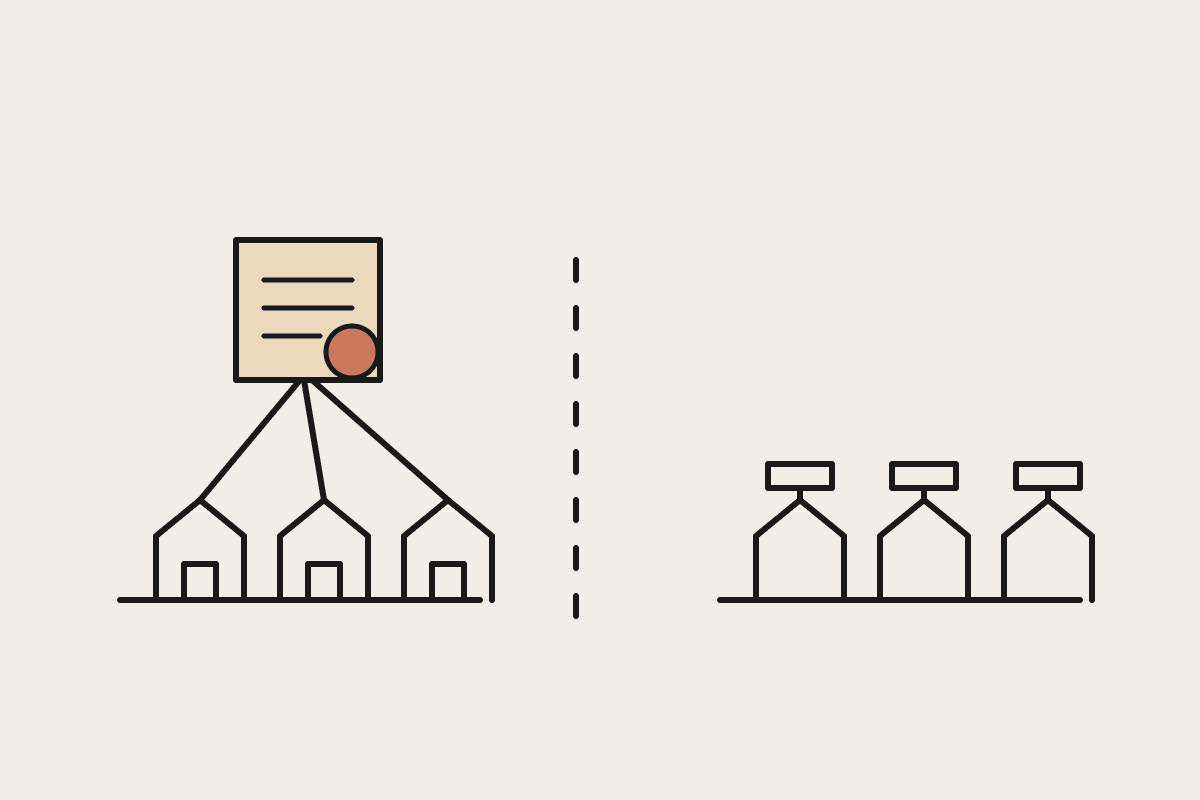
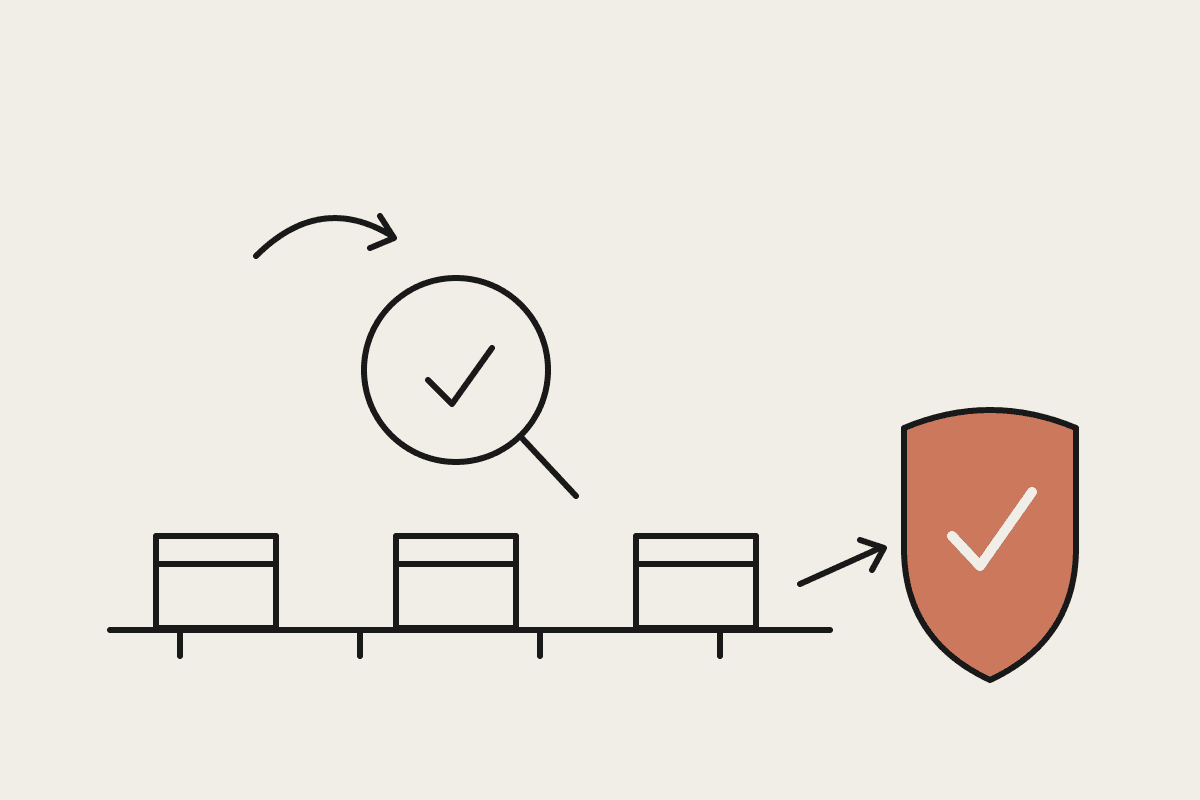
A fast, cheap model such as Qwen3.7 Flash handles the first pass on every incoming item: triage, classification, and structured extraction, all done at high volume and low cost.
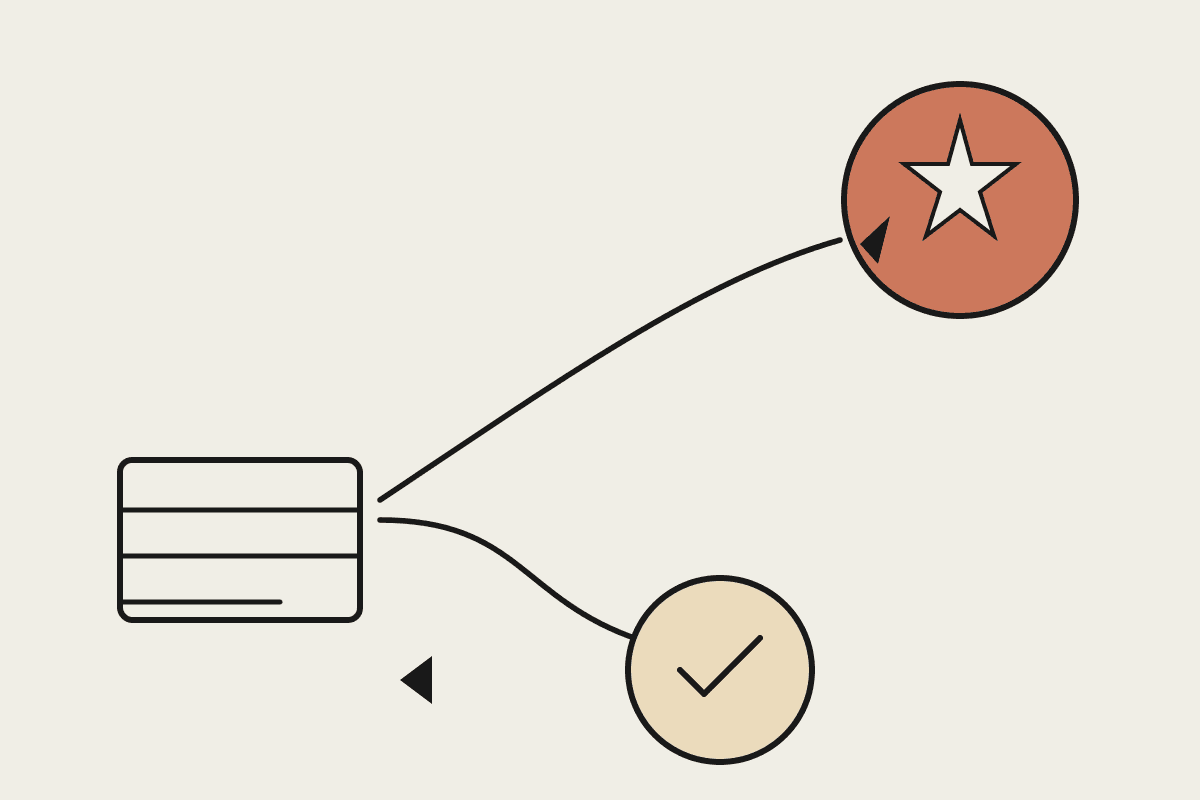
A stronger model, often Claude, picks up anything the first pass flags as ambiguous, high-value, or customer-facing, so the expensive reasoning capacity gets spent where it actually matters.
The split between the two tiers is reviewed monthly rather than set once, because task volume and complexity shift as a business grows, and a tiering decision made in January is rarely still correct by June.
The compliance line you shouldn't blur
Cost is not the only reason to keep some work off a cheap, fast model. Under the Privacy Act, any workflow touching customer personal information needs a defensible audit trail, and that is where the model tier you choose starts to matter as much for governance as for spend.
Open-weight flash models are a reasonable choice for internal, low-stakes classification. They are a poor choice for anything touching customer data, financial disclosures, or regulated advice, where an Australian business needs to be able to show what the model was asked, what it returned, and why a human either approved or overrode it. That governance layer is where Claude tends to earn its place in the stack even when a cheaper model could technically do the task.
Should you run a pilot on Qwen3.7 Flash?
For pure cost-per-token on high-volume internal tasks, a scoped pilot is worth running. A well-defined test typically costs under $4,000 and takes one to two weeks to validate against your actual data, not a benchmark. That is enough time to see whether the quality holds up on your real ticket volume, not a vendor's demo set.
For anything touching customer data or a compliance workflow, keep that work on Claude, where governance and an audit trail are built into the deployment rather than something you have to bolt on afterwards. The two approaches are not in competition. A tiered architecture that routes cheap, high-volume work to a flash-tier model and reserves Claude for judgement calls is how most Australian teams get the cost benefit without taking on unnecessary risk.
If you are weighing where a flash-tier model like Qwen3.7 Flash fits against Claude in your own stack, we run a scoped architecture review that maps your actual task volume against the right tier for each workflow. You can book a session to talk it through.