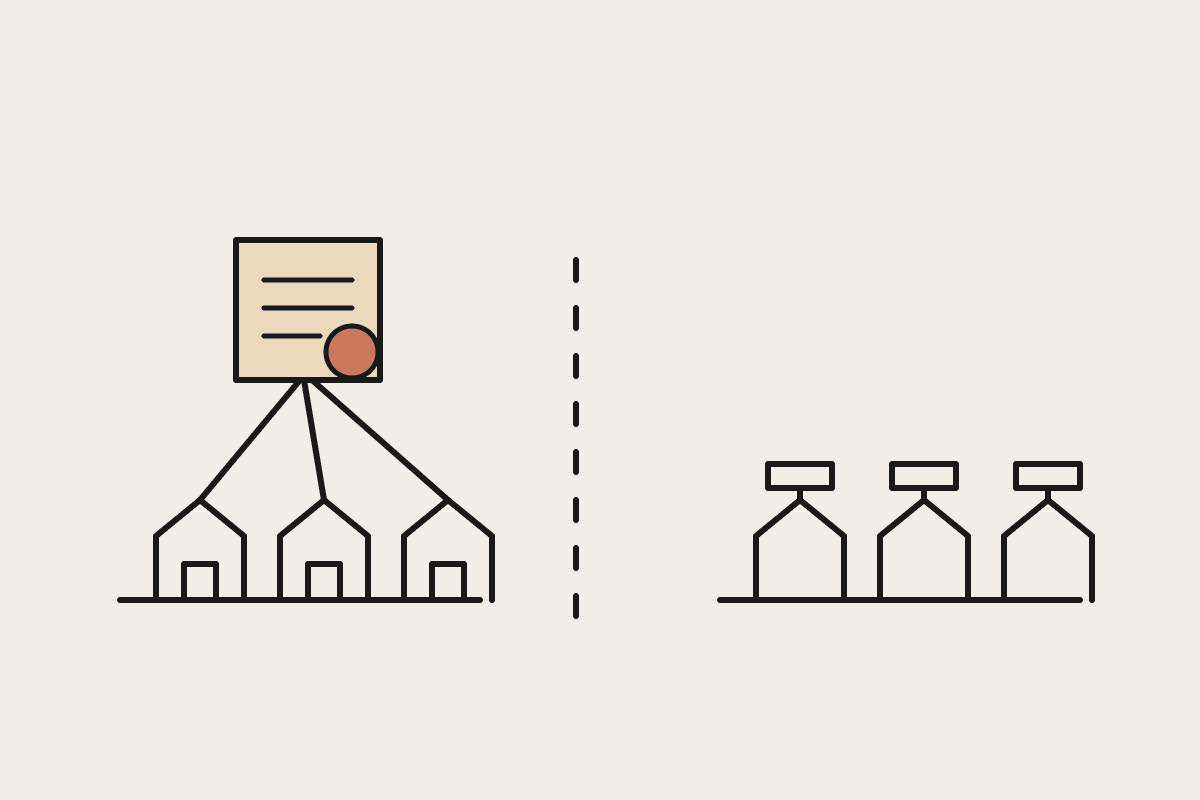
A 30-person Australian engineering firm in Perth we reviewed was running three different AI providers across the business -- one for the customer-facing chatbot, a different one for internal document work, a third for a specific engineering-calculation tool -- each chosen independently and reasonably at the time, for a combined spend of roughly $2,200 a month. None of the three choices were wrong individually. Together, they created a specific kind of overhead that's easy to miss until someone adds it up.
What multi-provider spread actually costs beyond the subscriptions
Three providers means three separate data-handling agreements to understand and explain if a client or regulator asks, three separate billing relationships to manage, three sets of account access to provision and revoke as staff join and leave, and three different sets of capability and limitations for staff to remember. None of these show up as a single line item on an invoice, which is exactly why they're easy to underweight against the more visible dollar cost of the subscriptions themselves.
There's also a genuine capability cost: staff who work across three different AI tools develop shallower expertise in any one of them than staff who work deeply with a single provider's ecosystem. A team that's genuinely fluent in one platform's full capability -- its specific strengths, its connector ecosystem, its way of handling edge cases -- tends to get more real value than a team spreading thin attention across three platforms each used for a narrow slice of work.
The case for consolidating
One data-handling story to understand and explain, not three.
One billing relationship, easier to forecast and negotiate volume terms against.
One account-provisioning process for staff joining or leaving.
Deeper team expertise in a single platform's full capability, rather than shallow familiarity spread across three.
When it doesn't make sense
Consolidation isn't automatically right. If one provider is genuinely, meaningfully better at a specific specialised task -- a particular engineering calculation, a specific regulatory domain -- switching to a single generalist provider purely for consolidation's sake can mean trading real capability for administrative tidiness, which is the wrong trade. The case for consolidating is strongest when the multiple providers were chosen more by accident (different people solving different problems independently) than by a genuine capability gap that only a specific specialised tool fills.
A worked outcome
The Perth firm above consolidated two of their three providers into one, keeping the third for the specialised engineering-calculation tool where a genuine capability gap existed. The consolidation cut their combined spend from $2,200 to roughly $1,500 a month, reduced their data-handling documentation from three agreements to two, and staff reported the single consolidated platform's connector ecosystem covered use cases they hadn't realised were available under their previous fragmented setup.
How to run the consolidation review
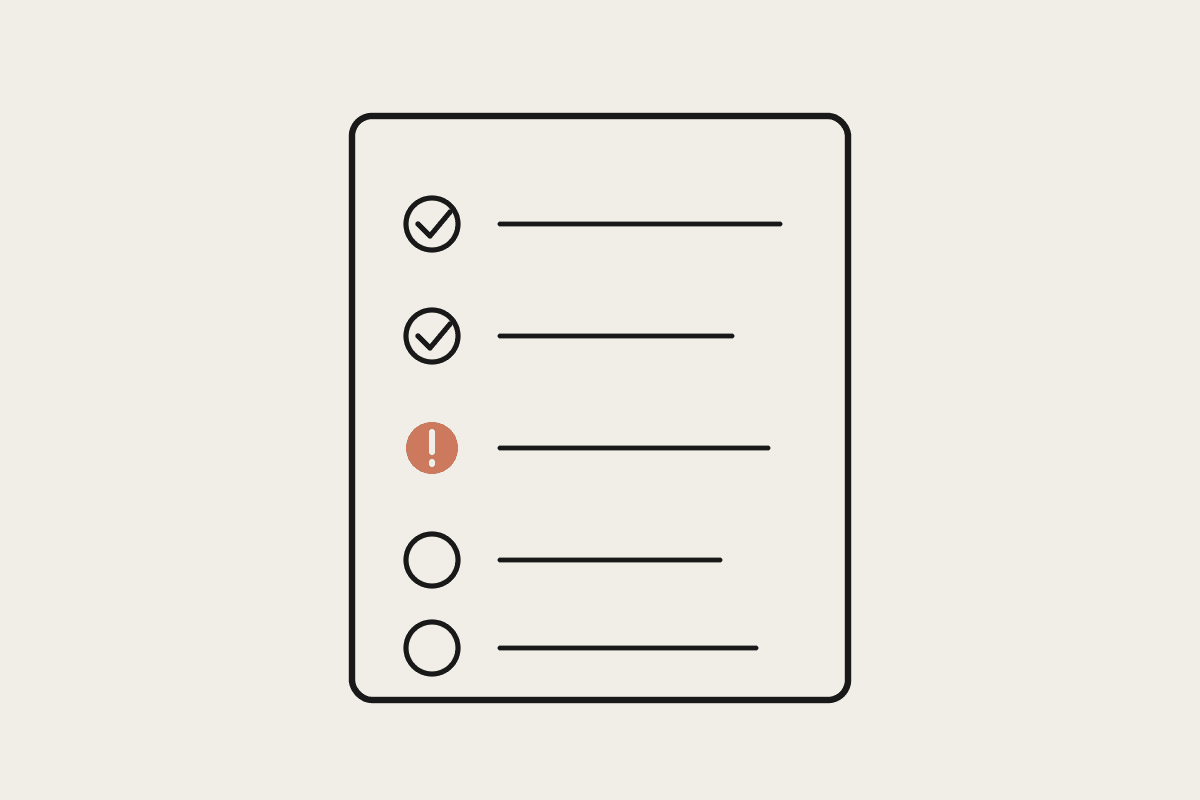
Start by listing every AI provider currently in use across the business, who chose each one, and why -- most Australian businesses running this exercise for the first time are surprised by how many of the 'why' answers turn out to be 'this is what the person who set it up happened to already know,' rather than a genuine capability comparison against alternatives. That's useful information: it tells you which providers are consolidation candidates versus which earned their place on real merit.
Once the list exists, test the strongest candidate for consolidation against a real, recent piece of work each of the other providers handled well. If the consolidated platform handles it comparably, that's a strong signal to proceed. If it genuinely can't match a specific capability, that's the signal to keep that one provider deliberately rather than folding it in for tidiness alone -- the goal is fewer unnecessary providers, not the fewest possible number regardless of what's lost.
None of this needs to happen all at once either. Consolidate the clearest, lowest-risk candidate first, prove the combined platform holds up under real use, and only then move the next provider across. A staged consolidation over a quarter is far less disruptive than trying to migrate everything in a single project.
A note on switching cost
Factor the migration effort itself into the decision, not just the ongoing monthly saving. Moving workflows, retraining staff on a new interface and re-validating output quality all cost real time, typically two to six weeks of gradual transition for a business this size. The ongoing saving needs to be large enough to justify that one-off disruption, which is usually true once three or more providers are in play, and less clearly true when consolidating from two down to one.
If your business is running AI across more than one provider and you're not sure whether that's deliberate or accidental, get in touch through /contact and we'll help you work out which providers earn their keep and which are consolidation candidates.