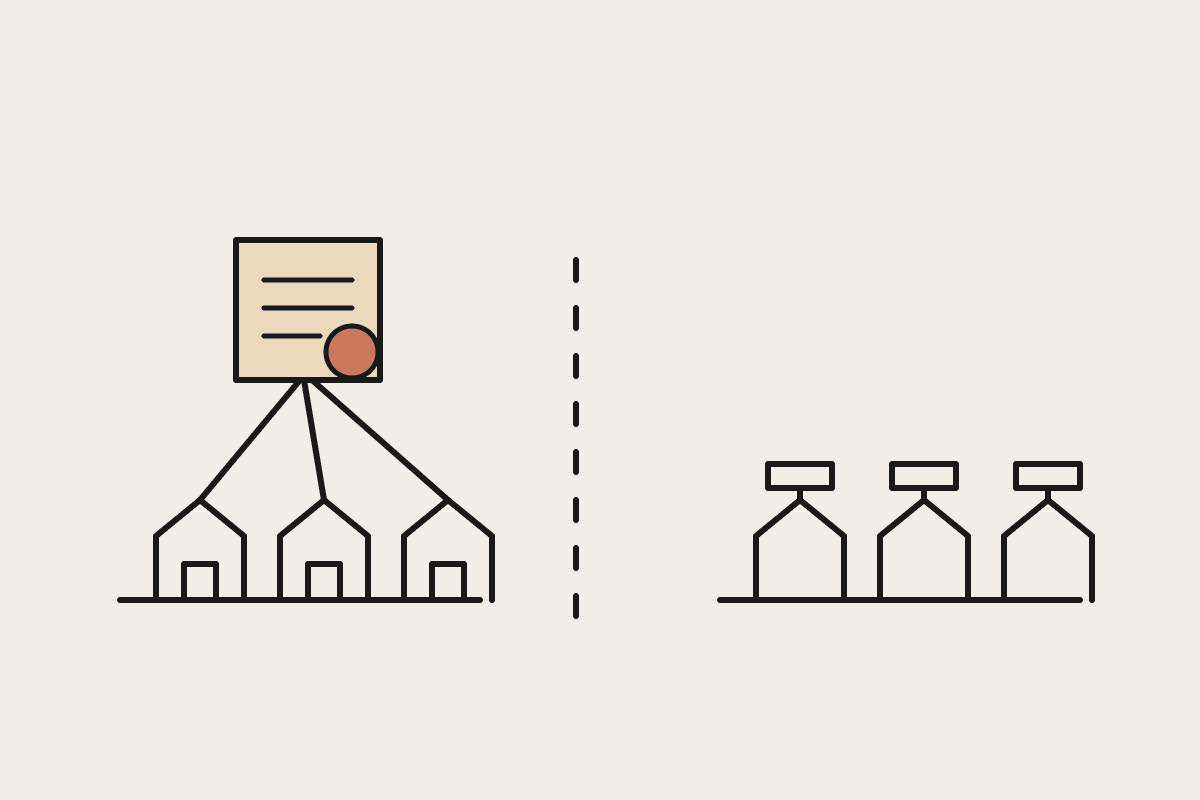
Switzerland has shipped a national AI model, and it is not what most people picture when they hear the phrase. Apertus is a fully open, multilingual model built by public research institutions instead of a private lab. Disclosure of its training data sources was a design requirement from day one, not something added later.
It arrived in the same year Australia is publicly discussing sovereign AI models of its own. That makes Apertus a useful test case. Before an Australian board treats "sovereign" and "open source" as the same thing, it helps to look at what the Swiss actually built, what it is good for, and what it does not solve.
What Apertus is, in plain terms
Three things set Apertus apart from the open-weight models that commercial labs release.
Who built it.
What is disclosed.
How it is licensed.
The transparency is the point. A Swiss government buyer can check what the model was trained on, and that satisfies procurement rules most commercial labs will not meet. It is a compliance feature first and a capability feature second.
Is a sovereign AI model better for Australian businesses?
Usually not, unless data residency or training data transparency is itself a written requirement in your contracts or regulation. Sovereign models such as Apertus generally trail frontier commercial models on complex reasoning, and a locally made model still has to be hosted, secured and maintained somewhere. For most Australian commercial buyers, capability and reliability matter more than where the model was built.
The Australian conversation follows similar logic to the Swiss one, with different drivers. Here the reasons given are keeping sensitive data onshore, reducing dependence on offshore infrastructure, and meeting obligations under the Privacy Act and sector rules such as APRA CPS 234. Those are real concerns. They are also concerns about where data goes and who controls the infrastructure, which a model's country of origin does not answer by itself.
| Question | Sovereign open model (Apertus style) | Managed frontier model (Claude) |
|---|---|---|
| Who built it | Public research institutions | Commercial lab |
| Training data disclosure | Full, by design | Limited |
| Complex reasoning | Generally behind the frontier | Frontier |
| Who runs the infrastructure | You, or a host you choose | The provider |
| Strongest fit | Residency or auditability is mandated | Capability and reliability are the need |
Four things the sovereign label does not tell you
Sovereign does not mean stronger. Expect a gap on hard reasoning tasks against frontier commercial models.
Data transparency has value outside government. Finance, health and legal teams can use it in their own compliance work.
A model shaped by public-sector priorities may not match the commercial jobs an Australian SMB needs done.
"Made locally" and "hosted locally" are different guarantees. A sovereign model still needs infrastructure decisions.
The last point trips up the most buyers. We covered the hosting side in what sovereign AI actually means once inference runs in Sydney, and the short version is that sovereignty is a property of the whole system, not of the weights. Our guide to data sovereignty and open source AI walks through what that takes in practice.
A Brisbane example: where the budget goes
Take an illustrative case. A Brisbane professional services firm with 120 staff has set aside between $50,000 and $150,000 a year for AI. The managing partner has read about sovereign models and asks whether the firm should run one.
The honest first question is whether anything requires it. If the firm's clients are commercial and no contract demands onshore-only processing, the sovereign route spends most of that budget on infrastructure, security and upkeep to solve a compliance problem the firm does not have. The same money on a managed platform like Claude, with clear Australian data handling commitments, buys stronger output on the work staff do every day: drafting, review, analysis and research.
Change one fact and the answer shifts. If that firm is a government contractor, or a regulated finance business whose terms name data residency as a condition, the sovereignty argument is at its strongest. Even then the firm should treat sovereign and open-weight models as a separate category with its own costs, not a drop-in swap for a frontier model.
Before you join the sovereign AI conversation
Four questions sort a real requirement from general unease. Put them to whoever is proposing the change.
Do your customers or contract terms require onshore-only data handling?
Is the driver a specific regulatory requirement, or discomfort about offshore infrastructure?
Would a managed platform's existing data residency commitments already meet the requirement?
What would standing up sovereign infrastructure cost, measured against the problem it solves?
If the answers point to unease instead of obligation, the gap to close is probably governance, not geography. That is the theme of our piece on why wanting data sovereignty is not the same as having it.
Where this leaves Australian buyers in October 2026
Apertus is a serious piece of public infrastructure and a good model of how to build AI that governments can audit. Australia may well produce something comparable. It is worth watching closely over the next 12 months, particularly if you sell into government.
It is not yet a reason to change your stack. For most commercial buyers the better move today is to get value from a managed model, write down your actual residency obligations, and revisit the question when an Australian sovereign option exists and has been tested on real work.
If you want a second opinion on whether residency is a real constraint for your business, book a short conversation with us. We will tell you plainly if a managed Claude deployment already covers it.