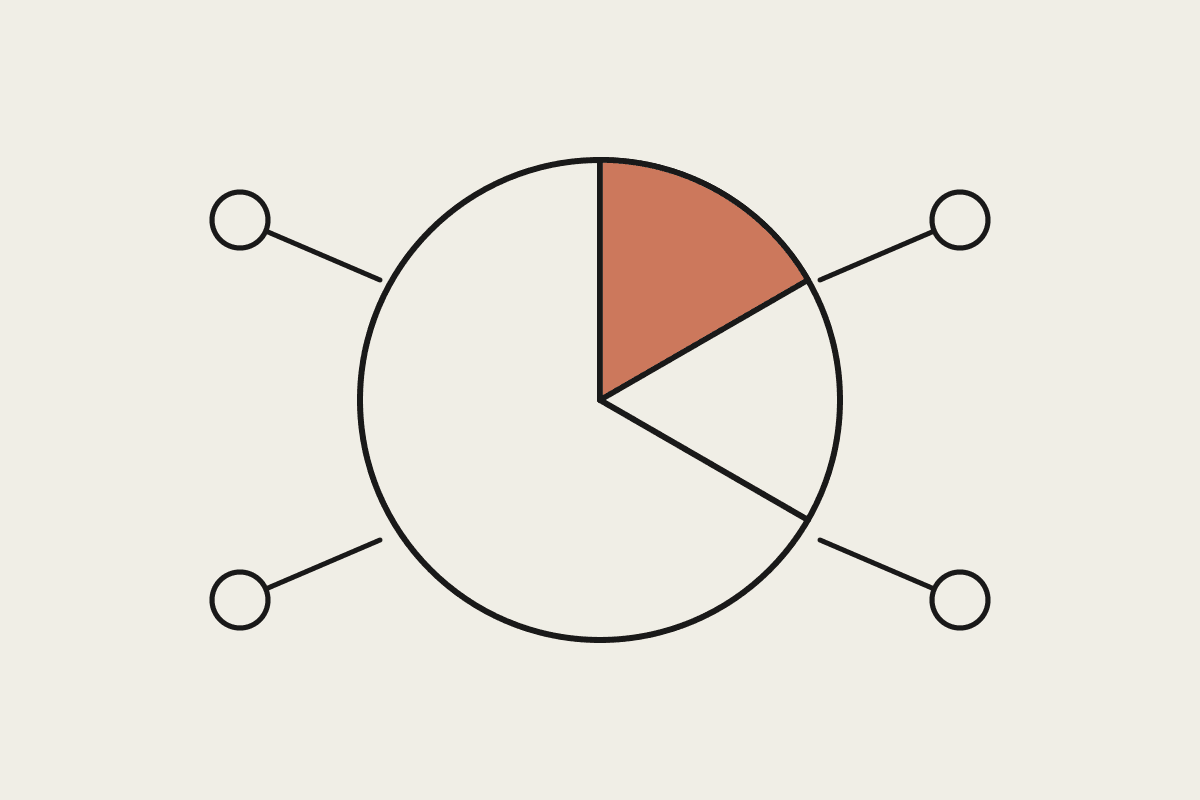
About one hour in six. That is roughly how much of a typical advisory practice's time goes on client meetings, according to Kitces research cited in Claude's launch of Claude for Financial Advisors. The other five go on gathering information from different systems, preparing, planning and documenting. Any Australian adviser who has lived through a review season will recognise the ratio.
What is Claude for Financial Advisors?
Claude for Financial Advisors is a plugin that bundles connectors to the systems advisory practices already use with workflow skills for specific moments in an adviser's day, such as meeting prep, post-meeting notes, rebalance review and compliance checks. Claude prepares briefs, summaries and drafts, while investment recommendations, client communications and other regulated activity stay subject to human review and approval.
It was announced on the Claude blog in September 2026 and is built for the US market. The connector list reads like a map of American wealth management, which is exactly why the transferable lesson for Australia is somewhere else.
What is actually in the bundle
Connectors
The connectors pull an adviser's existing systems into Claude: Addepar, BlackRock Advisor Center, Charles Schwab Advisor Services custodial data (balances, positions, transactions and cost basis), Envestnet (Tamarac and MoneyGuide), iCapital for alternative investment holdings, Orion portfolio reporting with Redtail CRM, SS&C Black Diamond, Wealthbox, Wealth.com for the estate and tax picture, Vanguard, and Zocks, an AI meeting assistant that captures client information from conversations.
Skills
The skills use that connected data for defined moments rather than open-ended chat:
Prospect intake and client onboarding
Pre-meeting preparation, then post-meeting notes and follow-up
Portfolio rebalance review
Alternative investment briefs, and estate and tax briefs
Compliance and AI-policy checks on client-facing language
If the connector-plus-skill packaging is new to you, our guide to building a Cowork plugin explains how those pieces fit together.
The partner list is not the lesson
Most Australian advisory practices do not use most of those platforms, and few have the negotiating weight of a BlackRock or a Schwab. Reading the launch as a shopping list misses the point. The part worth copying is the control structure, which carries across borders intact.
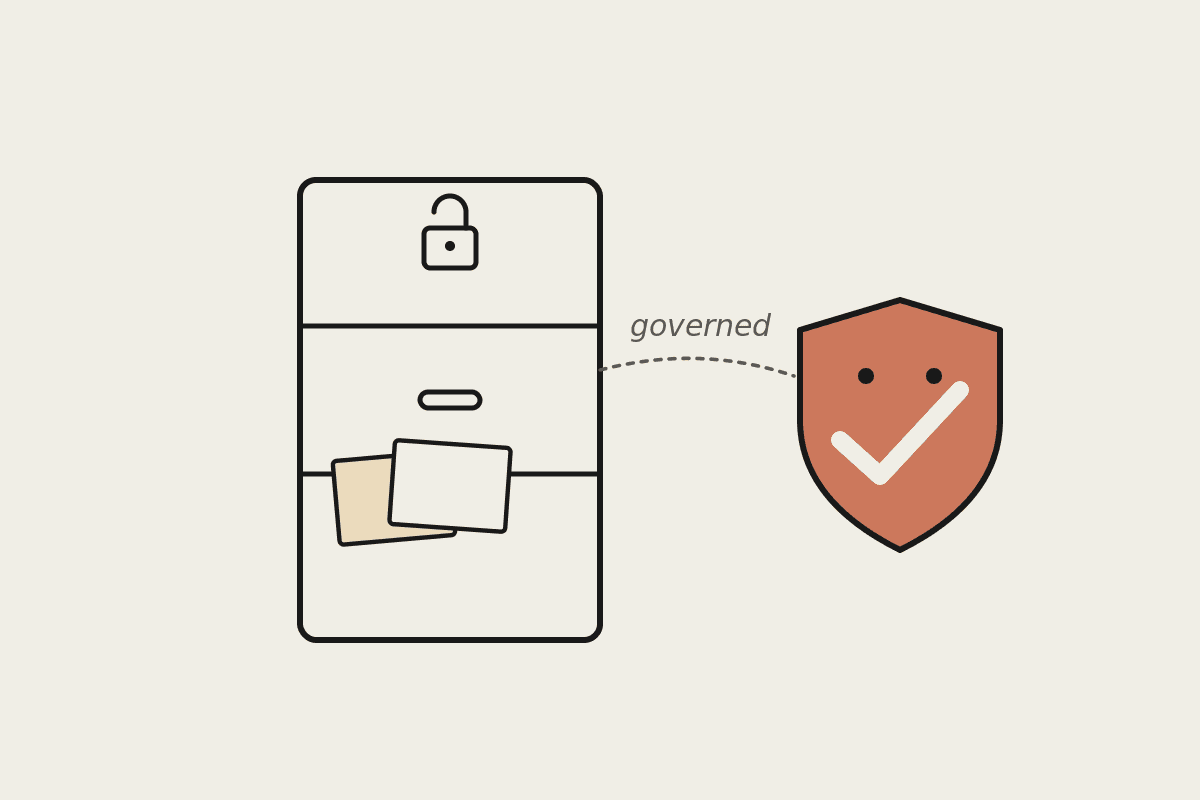
Three design choices stand out. First, Claude drafts and the adviser decides: nothing regulated reaches a client without a person approving it. Second, the compliance skill screens client-facing language against the SEC Marketing Rule and helps firms document their AI governance, which is the US counterpart of the AI-policy documentation ASIC-regulated Australian advisers are increasingly expected to hold. Third, Claude recommends Enterprise plans specifically because they include the audit logs needed for recordkeeping.
That third point deserves emphasis. For a regulated practice, the audit trail is not supporting infrastructure. It is part of the compliance deliverable, and it sits alongside the Best Interests Duty and the record-keeping that underpins a defensible Statement of Advice.
Translating the bundle for an Australian practice
A boutique advisory or wealth practice in Sydney or Perth can get the same shape of result by connecting Claude to whatever CRM, advice software and portfolio reporting it already runs. The table sets out how each part of the US bundle maps across.
| Bundle element | US version | Australian equivalent to design | Who signs off |
|---|---|---|---|
| Custodial and portfolio data | Schwab, Orion, Addepar connectors | Your platform and portfolio reporting exports | Adviser |
| CRM and meeting capture | Redtail, Wealthbox, Zocks | Your practice CRM and file notes | Adviser |
| Compliance screen | SEC Marketing Rule checks | ASIC and Best Interests Duty language checks | Compliance manager or licensee |
| Meeting prep and follow-up | Pre- and post-meeting skills | Review-season packs and file notes | Adviser or paraplanner |
| Audit trail | Enterprise audit logs | Enterprise audit logs plus AFSL record keeping | Licensee |
The build is materially smaller than a US wirehouse integration because there are fewer systems and one practice's worth of workflows. The work that matters is agreeing where Claude stops and the adviser starts. We covered that design for Statements of Advice in our SOA and review season guide, and for agents more broadly in our compliance-first workflow piece for wealth advisers.
The arithmetic of five hours in six
Take an adviser whose time costs the practice $180,000 a year fully loaded. If five-sixths of that goes on preparation, research and documentation, about $150,000 a year of their cost sits in work Claude can draft for them to check. Giving back even a fifth of that preparation time is worth about $30,000 a year per adviser before a single extra client is seen. The figure is illustrative, and your own time records will move it, but it shows why the preparation layer is where to start.
Where Australian practices should be careful
Do not let a meeting-notes tool become the file note of record without an adviser reading and correcting it
Keep any language that could read as personal advice behind a human approval step, every time
Check where client data is processed and stored, and record it in your Privacy Act and licensee documentation
Put the AI-use policy in writing before rollout, not after the first compliance question
If you are comparing options more widely, our roundup of AI tools for financial advisers covers advice-software features alongside general assistants. For a quick read on how ready your practice is, try our AI readiness assessment. When you want to scope a governed Claude build around your own systems, book a time with us.