Claude is the tool most of our Sydney and Melbourne clients already run their business on, so when a direct competitor makes a big small-business play, it deserves an honest look rather than a dismissal. OpenAI has just launched a small business program built around ChatGPT Work, complete with training webinars, in-person academies and a partner ecosystem spanning some well-known software brands. The interesting question for an Australian business owner isn't which chatbot is cleverer. It's what this program actually offers, what it leaves out, and what it quietly admits about where the real value in AI adoption sits.
What OpenAI's Small Business Program Actually Includes
The program has four parts. There are hands-on virtual training webinars showing small businesses how to use ChatGPT Work in daily operations such as accounting, marketing and ecommerce. There are in-person "small business AI academies" offering live, guided instruction. There are self-paced guides and customer stories for owners who'd rather work through the material in their own time. And there's access to partner tools from Dropbox, Shopify, Intuit, Slack, Atlassian and Wix, wired directly into the ChatGPT Work experience so the AI sits inside the software a business already runs on.
Virtual training webinars covering accounting, marketing and ecommerce use cases
In-person small business AI academies with live, guided instruction
Self-paced guides and customer stories for independent learners
Partner tool integrations spanning Dropbox, Shopify, Intuit, Slack, Atlassian and Wix
Read the Fine Print: This Is a US Program
The in-person academies are described as running "across the U.S." There's no announced Australian equivalent, no AUD pricing context, and no mention of GST, BAS or the compliance questions that actually come up when an Australian small business hands financial or customer data to an AI system. That's not a criticism of the product itself. It simply isn't built with an Australian business in mind yet, and nothing in the announcement suggests that will change soon. If your business operates out of Sydney, Melbourne, Brisbane or anywhere else in Australia, this particular program isn't available to you, at least not this year, and possibly not for a while after that.
What This Actually Tells Australian Business Owners
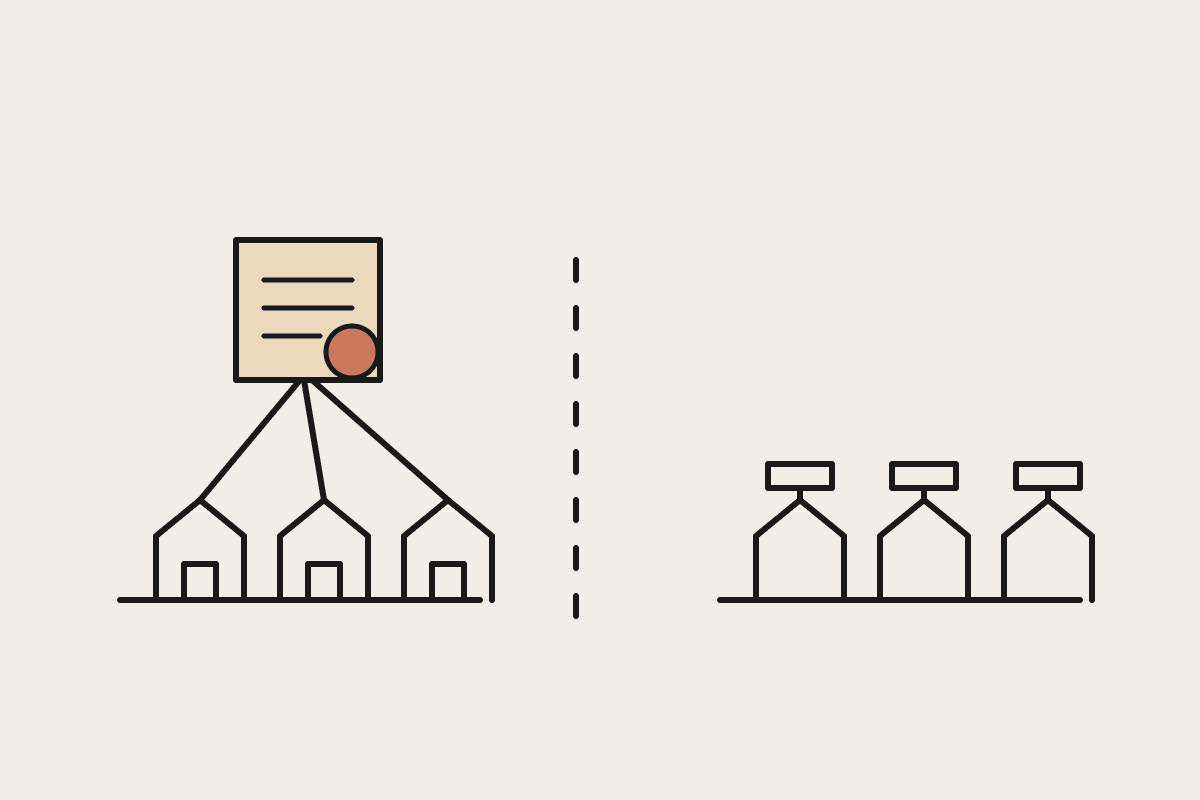
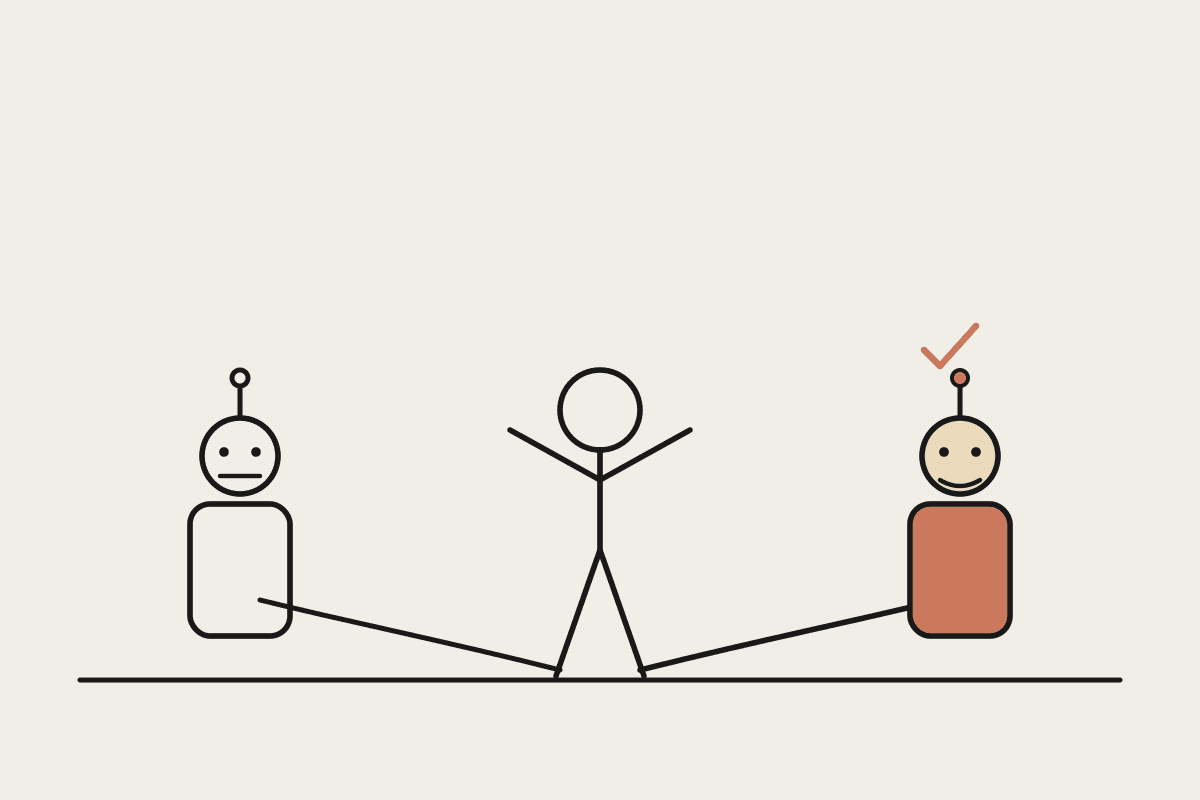
The interesting part of OpenAI's move isn't really the product. It's the admission sitting behind it: a general-purpose chat tool on its own isn't enough for a small business to get real value out of AI. It needs training, guided setup and a partner ecosystem wired into how the business already works. That's exactly the gap between having access to Claude and having Claude actually running your invoicing follow-ups, keeping your CRM clean, or pulling together your weekly reporting without you having to ask it each time.
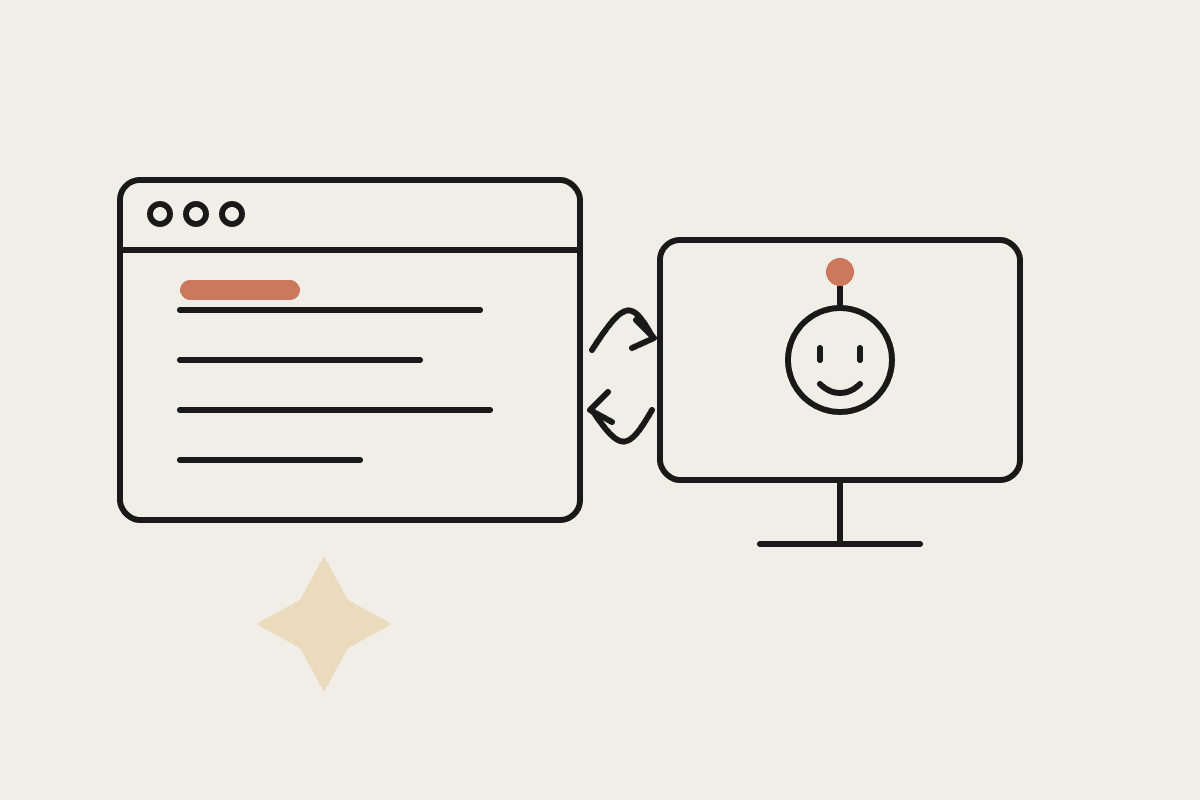
Most Australian small businesses that sign up for Claude directly never move past asking it questions in a chat window. The value sits in the setup work: connecting it to the tools already in use, building the two or three workflows that save real hours every week, and having someone who understands both the technology and Australian compliance requirements, including Privacy Act obligations and the ATO's expectations around record-keeping, do that setup properly. Without that layer, Claude is a smart assistant sitting idle in a browser tab. With it, Claude becomes part of how the business actually runs.
A guided Claude Cowork setup, done properly, is a fixed $3,500 AUD engagement, not an ongoing subscription cost
It typically replaces 5 to 10 hours a week of manual admin work once the workflows are running
It comes with someone local to call when something breaks, rather than a support queue in a different time zone
What 'Set Up Properly' Actually Looks Like
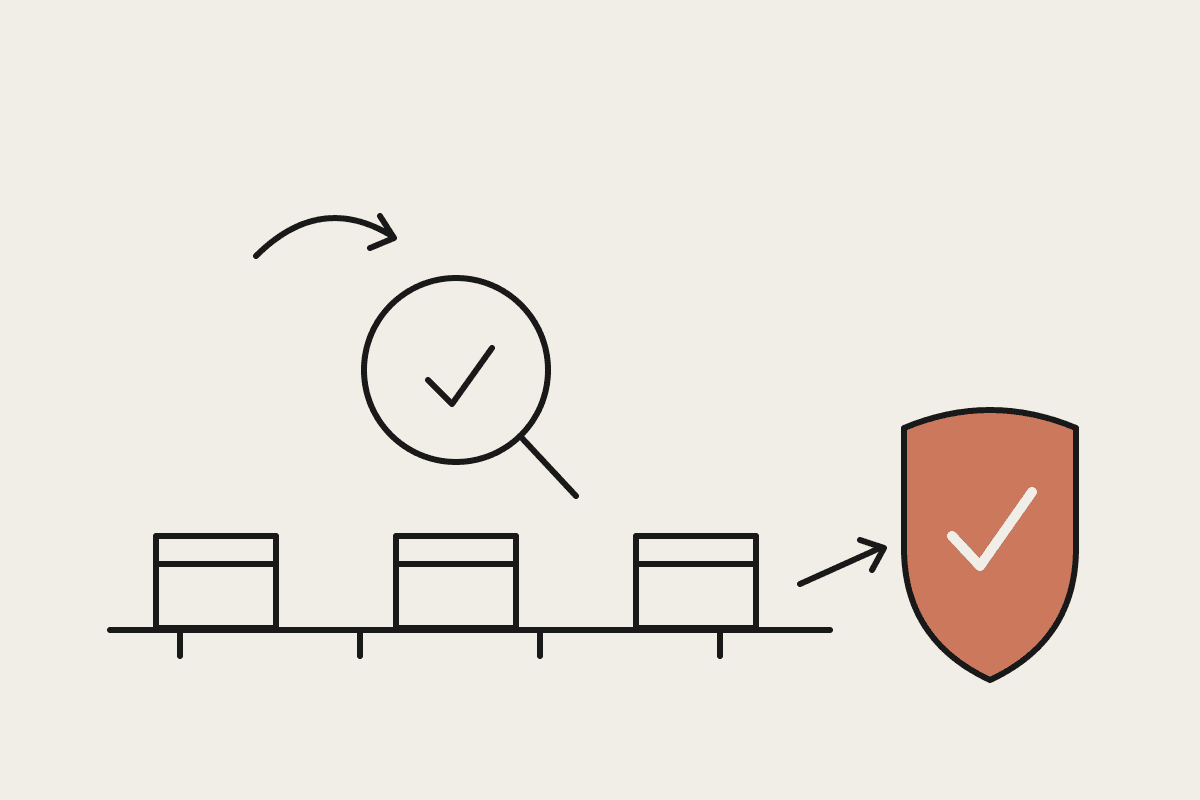
In practice, a Claude setup for an Australian small business usually starts with three questions: where is time being lost right now, what tools does the team already use every day, and what would need to be true for the business to trust an AI system with real data. From there it becomes concrete. A trades business might get Claude reading incoming supplier invoices and matching them against purchase orders. A professional services firm might get Claude drafting the first pass of client emails and flagging anything that needs a human eye before it goes out. An ecommerce operator might get Claude reconciling orders across a handful of systems every morning before anyone opens their laptop. None of that comes from a training webinar. It comes from someone building the workflow, testing it against real data, and tuning it until it's actually reliable.
OpenAI is clearly signalling that it sees small business as a growth market worth investing training and partnerships into, and that's a reasonable bet. It will probably work well for American small businesses already bought into the ChatGPT ecosystem through Dropbox, Shopify or Slack. For an Australian business owner deciding where to put their AI budget this year, the more useful question isn't which chatbot scores higher on a benchmark somewhere. It's which one comes with someone who will actually sit down, connect it to your systems, and make sure it's still working properly three months from now.
If that's the conversation worth having, book a brainstorm session with Automata AI and we'll walk through what a proper Claude setup would look like for your business, your existing tools, and your budget.