Two life-sciences AI stories landed within a week of each other in September 2026, and they say very different things about how Claude and ChatGPT are being positioned for biotech and pharma work. On 17 September, Anthropic launched the Life Sciences Verification Program, giving verified professionals relaxed safety safeguards on Claude for legitimate research. Days earlier, OpenAI published an applied-AI story about a Penn bioengineering lab using ChatGPT and Codex to search for new antimicrobial molecules. Both are real, both are useful, and they're not actually the same kind of thing.
What Anthropic's Life Sciences Verification Program Actually Does
The Life Sciences Verification Program (LSVP) gives verified life-science teams access to Claude Mythos, Opus and Sonnet with safeguards specifically relaxed for biology work, drug discovery, research biology, clinical development and manufacturing, that's currently blocked on generally-available Claude models. It's launching in beta with dozens of teams and institutions already onboarded through early access, with individual Pro and Max access to follow. There are two grant types after a verification review of research credentials, security standards and ethical oversight: Standard Use, a team-wide annual grant covering most R&D, manufacturing, QA, regulatory and investing work; and High-Risk Use, a narrower six-month, project-specific add-on that removes safeguards entirely for something like dual-use virology research, and only for that one project.
What the OpenAI Researcher Story Actually Shows
Cesar de la Fuente's cross-disciplinary lab at Penn uses Codex and ChatGPT alongside its own deep-learning models to search the genomes of living and extinct organisms for antimicrobial candidates, work aimed at drug-resistant infections that were linked to roughly 5 million deaths in 2021 and are projected to roughly double by 2050, with no genuinely new antibiotic class discovered in 50 years. AI narrows the candidate search from years to hours in this workflow, mainly by helping the lab bridge biology, chemistry, computer science and engineering, brainstorming, writing and refining code, processing datasets, and connecting ideas across disciplines the lab's own researchers don't all natively speak. De la Fuente is explicit that AI output still needs wet-lab validation, not blind trust.
Is Claude's Life Sciences Program Better Than ChatGPT's Approach?
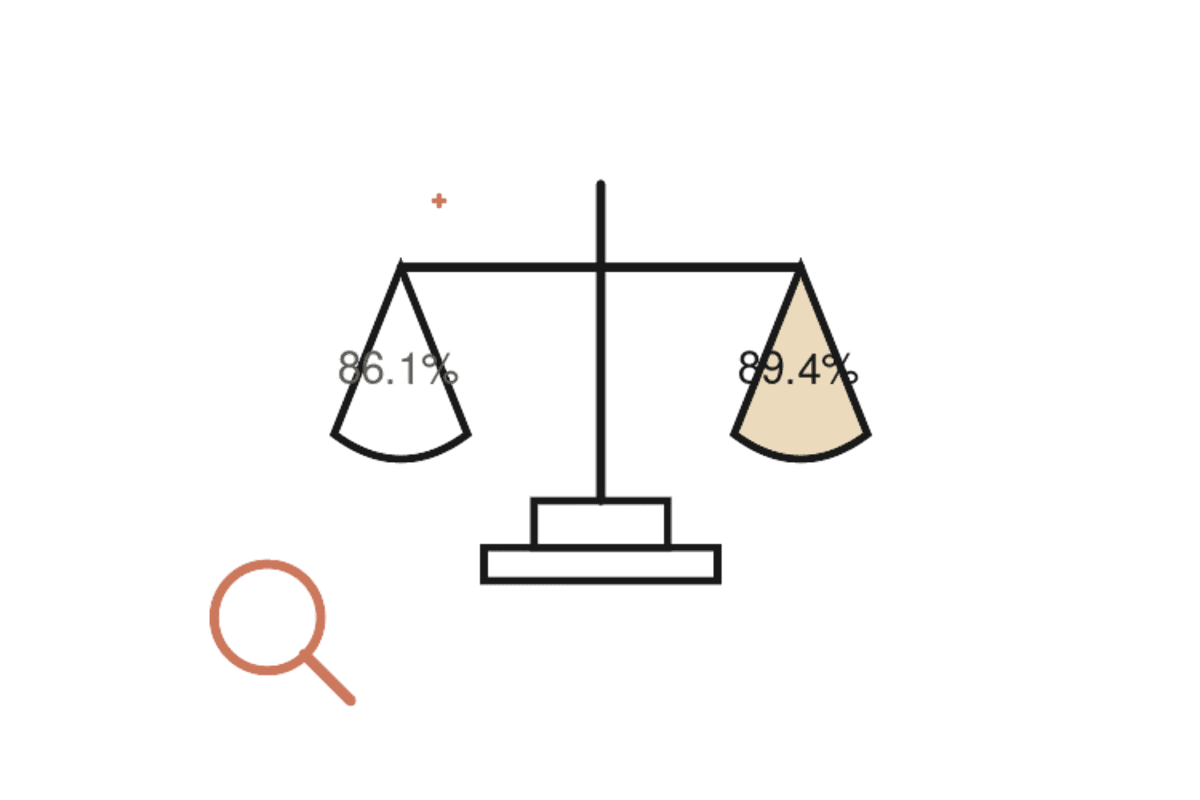
They're not really competing on the same axis, so "better" isn't quite the right question. OpenAI's story is about individual researcher productivity: one lab, using general-purpose tools creatively, moving faster on a well-defined scientific problem. Anthropic's LSVP is institutional infrastructure: a formal, tiered access and governance system built for organisations that need to prove research credentials and ethical oversight before safeguards get relaxed at all. A single researcher's workflow and a pharma company's platform decision are different problems with different requirements, and conflating them is how a biotech evaluating vendors ends up comparing the wrong things.
A solo researcher or small academic lab cares most about raw capability and workflow flexibility, closer to what the Penn lab is using ChatGPT and Codex for.
A regulated biotech, pharma company or clinical research organisation cares more about verified access, audit trail and tiered risk controls, which is what the LSVP is actually built to provide.
Neither program replaces wet-lab validation or human scientific judgment. Both stories are explicit that the AI narrows the search space, it doesn't confirm the biology.
The governance layer matters most exactly when the stakes are highest, dual-use research, clinical development, anything with regulatory exposure, which is precisely where the LSVP's High-Risk Use tier is aimed.
Individual researcher tooling versus institutional life-sciences governance
| Question | OpenAI's researcher story | Anthropic's Life Sciences Verification Program |
|---|---|---|
| What it is | A lab's applied use of ChatGPT and Codex | A formal verified-access and safeguard-tiering program |
| Who it suits | Individual researchers, small academic labs | Verified teams and institutions with compliance needs |
| Access model | General ChatGPT/Codex access | Verification review, Standard or High-Risk grants |
| Governance built in | Researcher's own discipline and process | Credential review, security standards, ethical oversight |
What This Means for AU Biotech and Pharma
An Australian biotech or pharma team should read these as two different decision points, not one. If your team is doing exploratory, individual-level research work, the OpenAI story is a reasonable proof point that general AI tools can meaningfully speed up early-stage candidate search. If your organisation needs to put AI in front of regulated, higher-stakes biology work, drug discovery pipelines, clinical development, anything that would need to survive an internal compliance review, the LSVP's verification-and-tiering model is the more directly relevant shape, because it's built around the exact question an AU compliance team will ask: who verified this access, and what happens if the safeguards are relaxed. For a mid-sized AU biotech budgeting, say, $80,000 a year for AI tooling across a research team, that governance question is often worth more than raw model capability when it comes to actually getting the tool approved for use.
If your organisation is weighing how to bring Claude into a regulated research or clinical workflow, including the verification process, safeguard tiers, and what your compliance team will need to sign off, that's exactly the kind of scoping work we do for AU life-sciences and healthcare clients. Have a look at our services, read more of our Claude coverage on the blog, or get in touch to talk through what a compliant rollout would look like for your team.