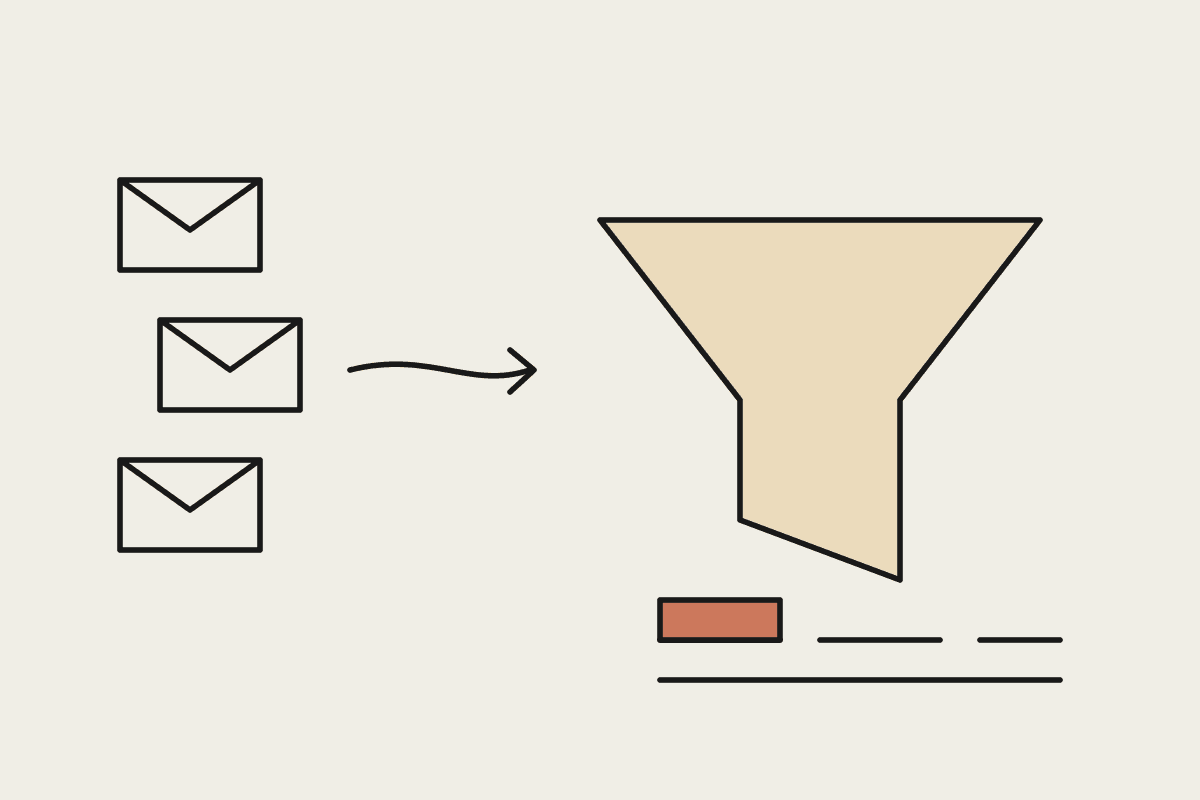
Most mid-market firms have the same leak in their sales process. The website contact form fills up, someone senior skims it when they can, and the good enquiries sit beside the tyre-kickers until the prospect has already rung a competitor. Anthropic had a version of that problem in its own sales team, and the way it fixed it is one of the more useful first-party case studies of an AI agent we have seen this year.
The team built a buying agent on Claude Managed Agents, which was in beta at the time, and put it in front of the inbound queue. The numbers it reports are the reason this is worth a decision-maker's ten minutes, but the design choices behind them are what you can actually reuse.
What did Anthropic's sales team build with Claude Managed Agents?
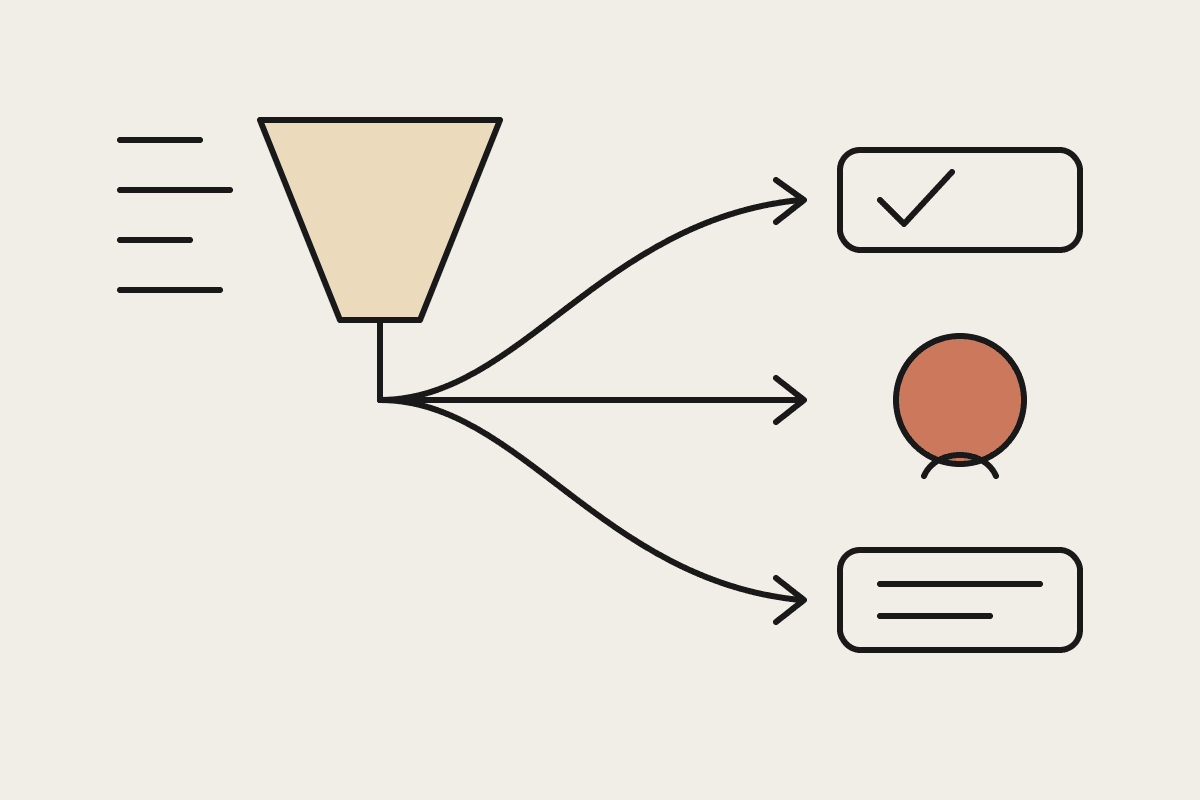
Anthropic's sales organisation replaced its raw contact-form queue with a Claude-powered buying agent running on Claude Managed Agents. The agent now handles thousands of inbound conversations a day and routes each one down one of three paths: self-serve checkout for buyers who are ready, a human handoff with full context for complex deals, or an instant answer for simple questions. A single engineer built the first version in weeks.
According to Anthropic's own write-up, leads the agent escalates to a person now convert to opportunities more than twice as often as raw form submissions did. Sales cycles shortened by roughly five days. One inside rep lifted closed-deal output 2.5 times, closing deals in about six emails instead of about ten.
| Measure | Before | After |
|---|---|---|
| Escalated lead to opportunity conversion | Raw form submission baseline | More than 2x the baseline |
| Sales cycle length | Baseline | Roughly 5 days shorter |
| Emails to close a deal (one inside rep) | About 10 | About 6 |
| Closed-deal output (same rep) | Baseline | 2.5x |
| Time to first version | Not applicable | Weeks, one engineer |
Treat these as one company's results on its own product. They are a strong signal of what is possible, not a forecast for your pipeline.
The three paths, and why the split matters
The architecture is simple enough to sketch on a whiteboard, which is part of why it works. Every inbound conversation ends up in one of three places:
Self-serve checkout. Buyers who already know what they want get taken straight to purchase, without waiting for a rep to reply.
Human handoff with context. Complex or high-value deals go to a person, along with everything the agent learned in the conversation, so the rep starts at the second meeting rather than the first.
Instant answer. Simple questions get answered on the spot, which clears them out of the queue entirely.
The conversion lift comes mostly from the second path. A rep who receives a qualified lead with the buyer's needs, size and timing already captured spends their first email moving the deal forward instead of asking discovery questions. That is where the drop from about ten emails to about six comes from. The first and third paths matter because they take volume off the humans, so the escalations that remain get attention while they are still warm.
If your team already triages leads by hand, our call-these-five triage method is a lighter-weight starting point. The buying agent is what that method looks like once the volume justifies automating the front door.
Give Claude a goal, not rules
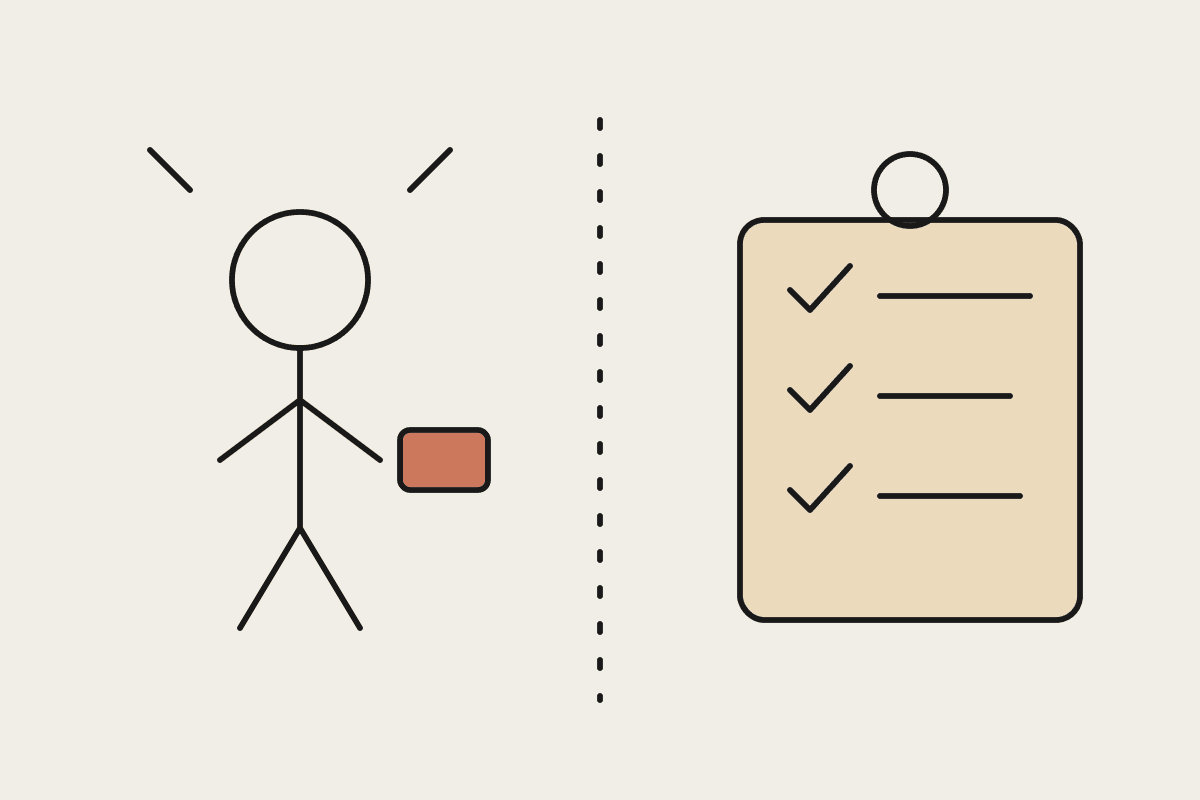
The design lesson Anthropic highlights is the one most teams get backwards. Its early instinct, like most, was to write a detailed rulebook: if the customer says X, reply Y; if the company has more than N staff, route to sales. What worked better was giving Claude a goal, such as helping this buyer reach the right outcome as quickly as possible, and letting it judge how to get there.
Rulebooks break in two ways. They miss the cases nobody anticipated, and they grow until nobody can tell which rule fired or why. A clear goal, a short description of what good looks like, and examples of the three paths tend to hold up better as the enquiry mix changes.
That does not mean no guardrails. Pricing authority, discount limits, which products can be bought without a person, and what data the agent can see should all be hard limits set in the platform, not in the prompt. The goal sits inside those walls.
Shipping weekly after launch
The other detail worth copying is the operating rhythm. After launch, the team ships prompt changes weekly. The first version was built in weeks, not quarters, and it improves through small, regular adjustments based on what the conversations show.
That is a different budget shape to a traditional software project. Instead of a large build and a long tail of maintenance, you get a modest build and an ongoing tuning line. Somebody has to own reading transcripts, spotting where the agent routes badly, and adjusting the goal and examples. On a managed platform the infrastructure is looked after for you, which is the argument we make in our piece on Managed Agents in production.
What a comparable build looks like for an Australian firm
Picture a Melbourne B2B distributor with a few hundred inbound enquiries a week across web forms and email. Some want a price on a standard item, some are trade accounts asking about stock, and a handful are large project tenders that deserve the sales director's personal attention.
A comparable agent would answer stock and standard-price questions directly, offer an account application or online order for straightforward buyers, and hand the tenders to a person with a short brief attached. Under the Privacy Act, the agent's access to customer records needs the same controls as any staff member's, and the handoff notes become part of the customer record.
| Item | Timing | Illustrative cost (AUD) |
|---|---|---|
| Discovery and routing design | Weeks 1 to 2 | $8,000 to $12,000 |
| First version build and integrations | Weeks 3 to 6 | $25,000 to $45,000 |
| Weekly tuning and transcript review | Ongoing, per month | $2,500 to $5,000 |
| Platform and model usage | Ongoing, per month | Varies with volume |
These figures are illustrative, not a quote. The point is that the build is measured in weeks and the tuning is a standing line, which mirrors what Anthropic describes. If a lift anything like the reported five-day shorter cycle showed up in your pipeline, you can test the payback with our ROI calculator.
Where this does not transfer
Anthropic sells software with a self-serve checkout, so one of its three paths is a straight purchase. Many Australian mid-market businesses do not have an online checkout for their core offer. For them, the self-serve path might be booking a site visit or receiving a standard quote rather than buying outright. The other two paths transfer almost unchanged.
Volume also matters. The agent handles thousands of conversations a day. If your inbound is ten enquiries a week, a lighter approach, such as the Cowork-based workflows covered in our post on automating sales inbound and outbound, will usually pay back faster than a dedicated agent.
If your contact form is where good leads go to wait, we can help you scope whether a buying agent, a lighter triage workflow or neither is the right call. Get in touch and we will walk through your enquiry mix with you.