A question we hear from engineering leads almost word for word: "If I want a proper harness around Claude, the kind I'd build with a custom agent framework, can I do that inside Claude Code, or am I stuck with what ships in the box?" It came up again in an AI builder community this week, and it deserves a straight answer because it shapes how much engineering budget an agent project needs.
The short version is that you can build a real harness on Claude Code. It just does not look like writing your own orchestration loop, and the parts you give up are narrower than most teams expect.
Can you build a custom harness on Claude Code?
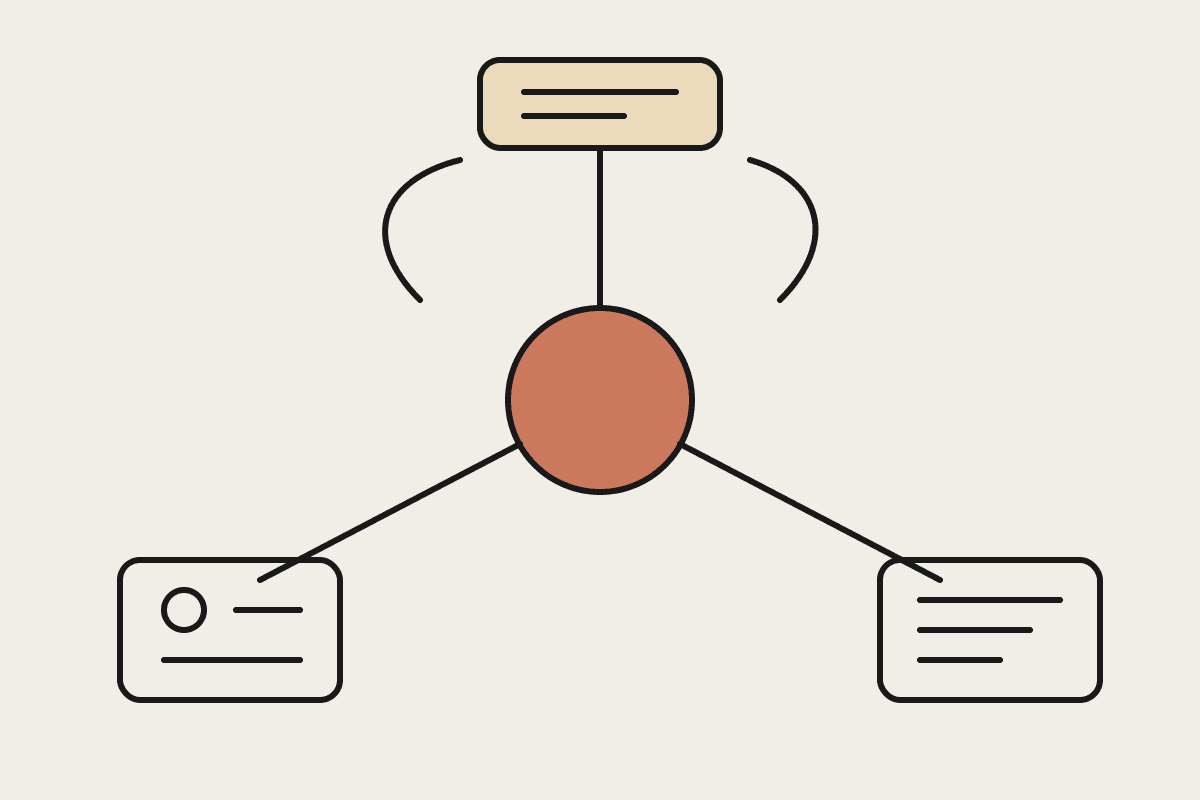
Yes. In Claude Code, the harness, meaning the layer that decides what context the model sees, which tools it may call, how it hands work to specialised sub-tasks and what guardrails sit between a suggestion and an action, is assembled from three parts: Skills, subagents and MCP servers. Together they cover most of what teams build custom frameworks to get, without you owning the loop itself.
What you do not get is a blank page for the decision loop. If your agent needs a genuinely novel control structure, you work around that with careful subagent design and MCP servers rather than flipping a built-in switch. For the large majority of business agents we scope, that limit never bites.
The three building blocks, in plain terms
Skills: your procedures, written down once
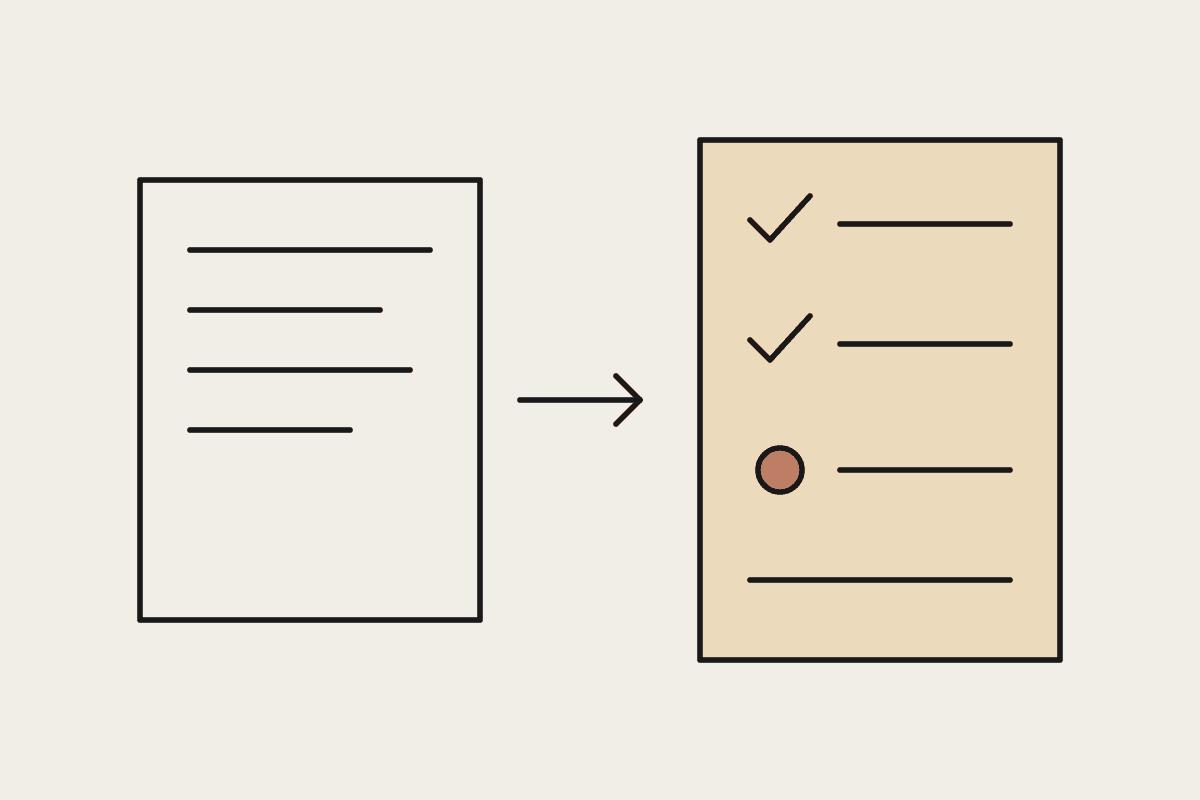
A Skill packages a repeatable procedure: a checklist, a house style, the specific way your team wants a task done. Claude loads it when the task calls for it, so the model does not relearn your preferences every session. If you have ever pasted the same three paragraphs of instructions into a chat, that is a Skill waiting to be written. We cover where house rules belong in our guide to steering Claude Code.
Subagents: bounded work in a separate context
A subagent takes a bounded piece of work, runs it in its own context with its own tools and instructions, and hands back a result. A long research task or a noisy codebase search stays out of the main conversation, which keeps the lead agent focused. Our subagents explainer walks through how to split work this way.
MCP servers: real connections with real permissions
MCP servers connect Claude to the systems you already run, such as a CRM, a ticketing tool or a file store, with permission boundaries you control. That replaces screen-scraping and copy-pasting context by hand. If the term is new, here is MCP in one paragraph.
Put together, the mapping from harness concern to Claude Code feature looks like this:
| Harness concern | Custom framework | Claude Code |
|---|---|---|
| Reusable procedures and house style | Prompt templates you maintain | Skills |
| Delegating bounded sub-tasks | Hand-written orchestration code | Subagents |
| Access to business systems | Bespoke tool wrappers | MCP servers |
| Guardrails before actions | Your own policy layer | Permissions plus MCP scopes |
| Patching and security upkeep | Your team | Maintained for you |
| Novel decision-loop design | Full control | Limited, design around it |
What you trade away, and what you get back
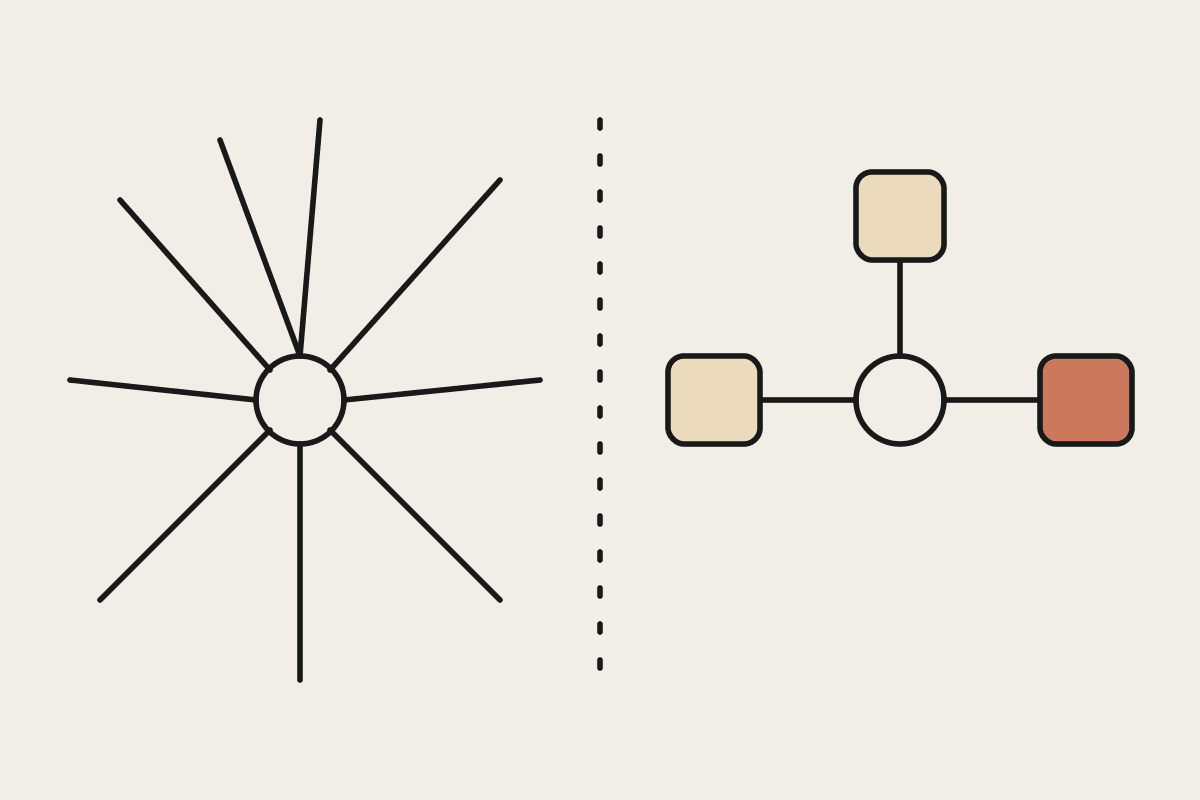
The trade-off against a custom framework is real. You get less control over the exact orchestration loop. In return you get a maintained, secure harness that you are not responsible for patching every time a model or dependency changes.
For most Australian businesses we work with, that is the right trade. The gap you close by hand-rolling an agent loop tends to be small. The time you spend maintaining it is not. Consider the maintenance line on its own:
Every model release can change tool-calling behaviour, and a custom loop has to be retested and often adjusted.
Security fixes in the surrounding libraries land on your team's backlog, not a vendor's.
The engineer who wrote the loop becomes a key-person risk, which matters for a mid-market team of five, not a platform team of fifty.
Governance reviews, whether for the Privacy Act or an APRA CPS 234 program, are easier when the harness is a known product with documented permission controls.
As an illustrative example, assume a custom agent framework takes a senior engineer roughly one day a fortnight to keep current. At a loaded cost of around $1,200 a day, that is about $31,000 a year spent standing still. These figures are illustrative, not a quote, but the shape holds: the ongoing cost of owning the loop usually outweighs the flexibility it buys.
Where Claude Code still feels limited
Be honest about the edge. If you need an agent that reasons in a control structure of your own invention, for example a bespoke planner that branches and backtracks in ways no standard pattern covers, Claude Code will not hand you a switch for that. You get there by composing subagents carefully and pushing logic into MCP servers, or you accept that this particular workload warrants a custom build. Our DeepSeek harness comparison looks at what a governed harness has to provide in production either way.
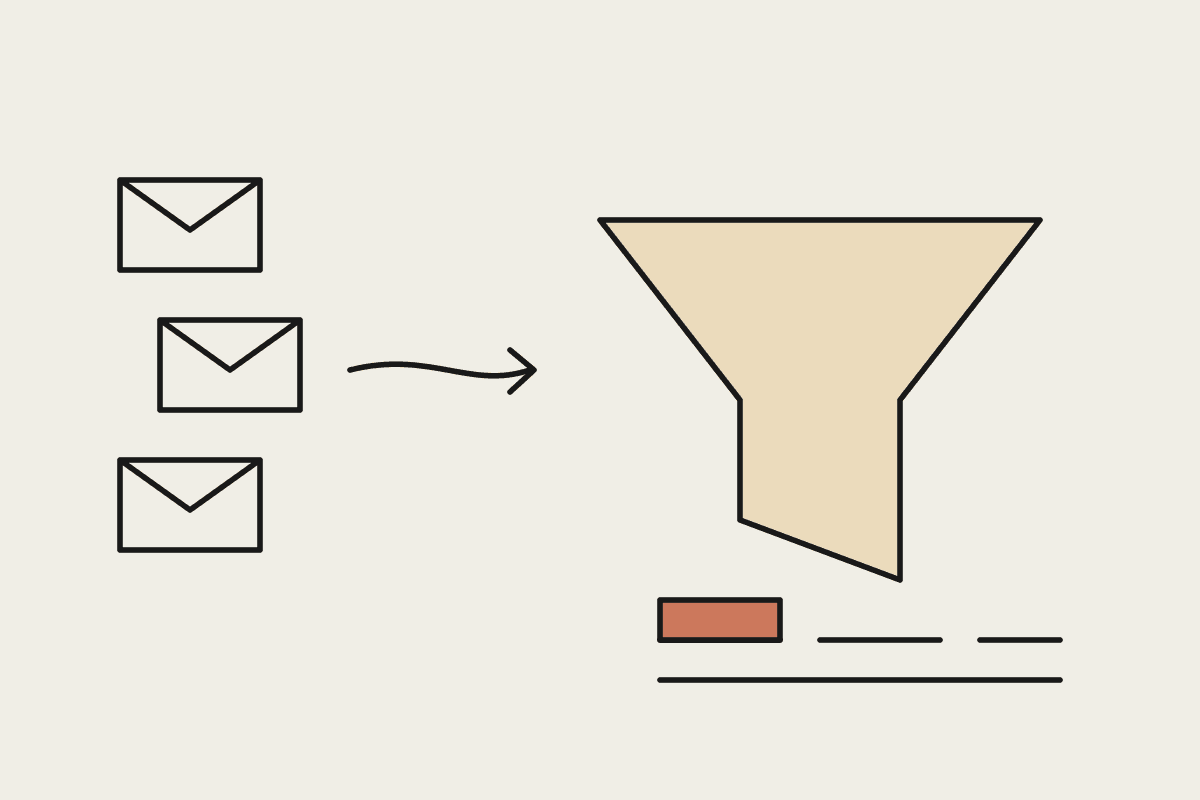
The mistake we see is teams assuming they are in that edge case before they have scoped the work. Most business agents, such as triaging inbound email, drafting quotes, reconciling records or answering staff questions from internal documents, fit comfortably inside Skills, subagents and MCP.
A worked example: a quoting agent for a Sydney trade business
Picture a Sydney services firm that wants an agent to draft job quotes. The house pricing rules and quote format go into a Skill. A subagent pulls past jobs of a similar size and summarises what they actually cost. An MCP server connects to the job management system with read access to history and write access only to a drafts area, so nothing reaches a customer until a person approves it. No custom loop is needed, and every piece can be reviewed separately.
What not to conclude
This does not mean custom frameworks are never worth it, or that Claude Code is the right harness for every product you might sell to your own customers. It means that for internal automation at a mid-market firm, the default should be to start on Claude Code and prove you need more, rather than starting custom and hoping the maintenance stays small.
If you are deciding whether your next agent should run on Claude Code's harness or your own, that is worth a scoping conversation before anyone writes the first line. You can take our AI readiness assessment or get in touch to walk through cases similar to yours.