Every engineering lead who rolls out an AI coding assistant hits the same wall eventually. The tool is good, but the team wants it to behave a little differently: stop it touching the production config, log what it runs for the auditors, show the build status where developers can see it. Until recently, the honest answer was a mix of hooks, settings files and asking people nicely. On 1 October 2026 Anthropic shipped a more direct option for Claude Code, called mods.
This piece is for Australian engineering leads deciding whether mods belong in their Claude Code rollout, and what the security model means before anyone installs one.
What are Claude Code mods?
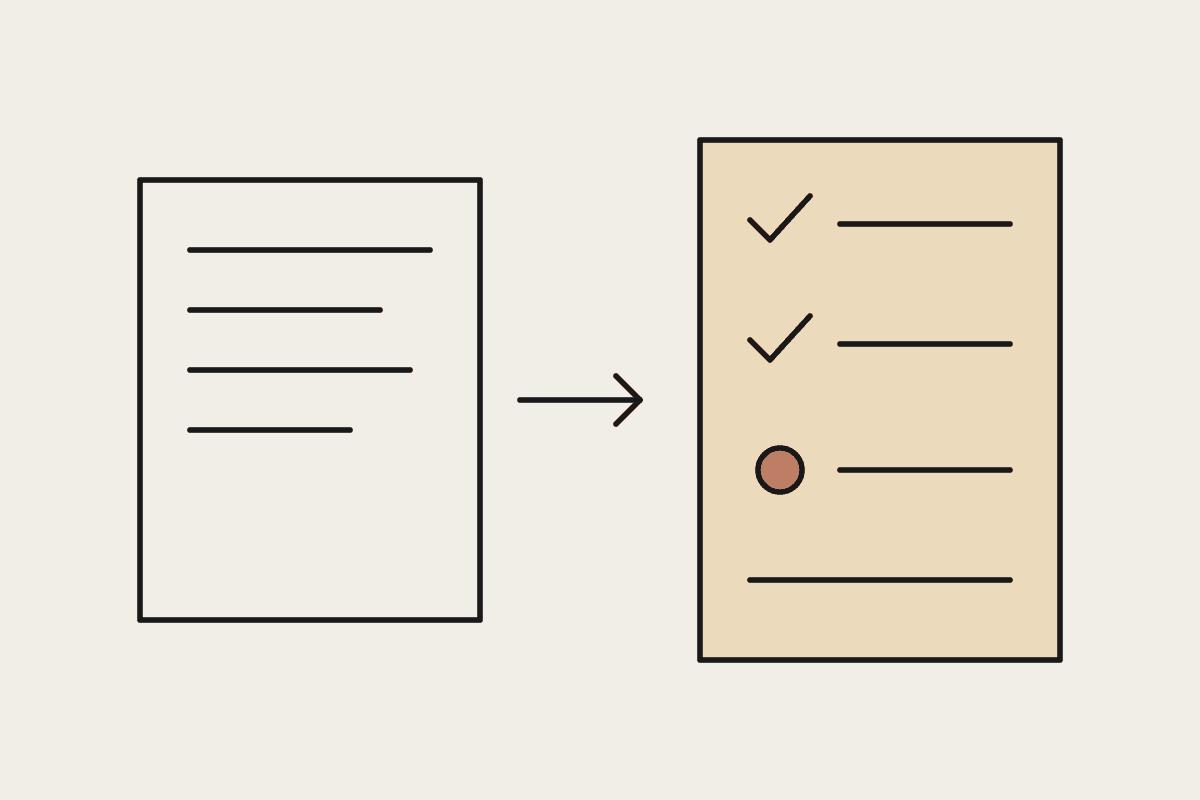
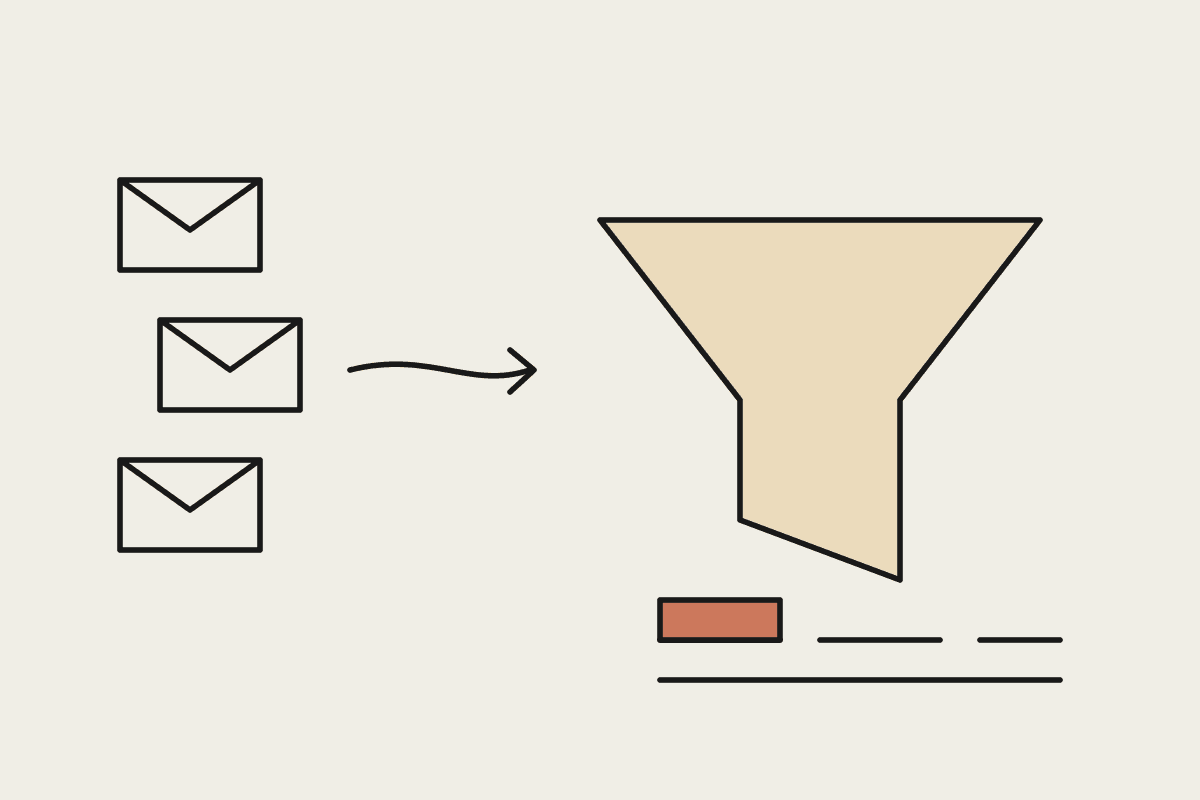
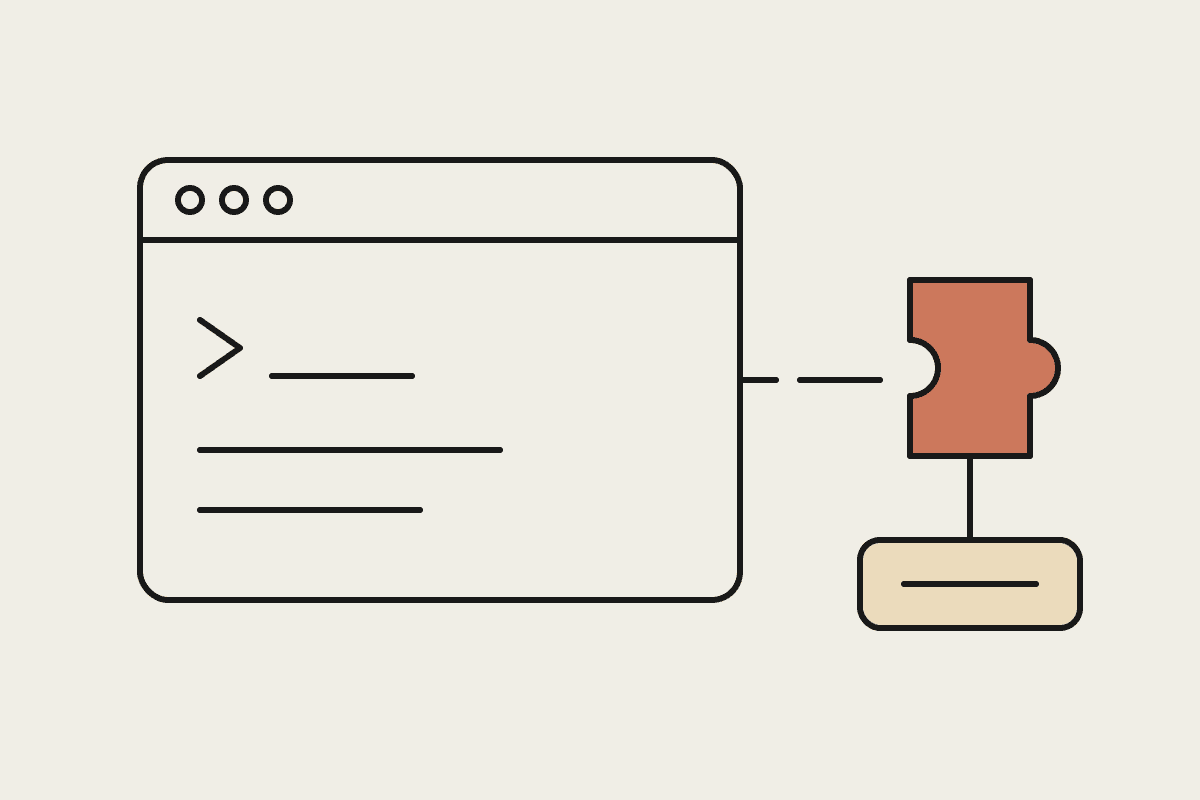
Claude Code mods are small TypeScript functions that change how Claude Code behaves without forking or patching the tool. A mod can rewrite a prompt before it reaches the model, block, modify or retry a tool call, approve or deny a permission request, redact secrets from tool output, and add custom interface elements and buttons. Mods ship inside plugins distributed through the Claude directory and work in both the CLI and the desktop app.
That list matters because it covers the points where teams most often want control: what goes in, what the agent is allowed to do, and what comes back out. Anthropic's announcement frames the target use cases as CI/CD status displays, production safeguards, audit logging and custom team controls.
What a mod can change, at each stage
It helps to think of a Claude Code session as a pipeline and ask where a mod can step in:
| Stage | What a mod can do | Typical team use |
|---|---|---|
| Prompt | Rewrite it before it reaches the model | Add house context or strip sensitive text |
| Tool call | Block, modify or retry it | Stop writes to production paths |
| Permission request | Approve or deny it | Auto-approve safe reads, deny risky commands |
| Tool output | Redact secrets | Remove keys and tokens before they enter context |
| Interface | Add custom UI elements and buttons | Show CI/CD status or a one-click team action |
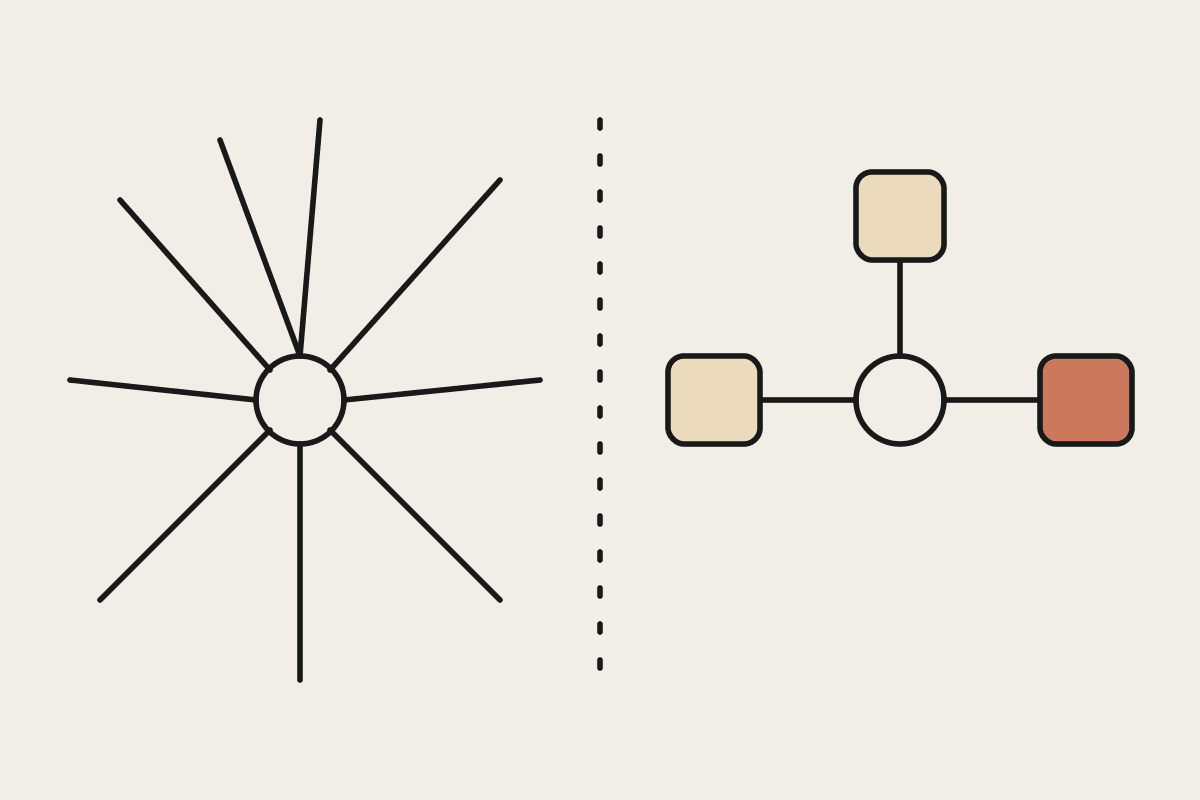
If your team already runs Claude Code hooks as guardrails, mods will feel familiar in intent. The difference worth noting is reach: mods are written in TypeScript, ship as part of a plugin, and can add interface elements, so they suit controls you want to package once and roll out to a whole team.
The security model: unsandboxed by design
This is the part to read twice. Mods run unsandboxed, with full access to the machine they run on. A mod that can redact secrets from tool output can also read them. A mod that can approve permission requests can approve the wrong ones.
Anthropic's answer for organisations is a built-in mod called sec-default, shipped on Team and Enterprise plans. It loads first and blocks risky modifications from other mods. That is a sensible baseline, but it does not replace your own judgement about which plugins get installed in the first place.
For an Australian business, the practical rules are the ones you already apply to developer tooling:
Install mods only from sources you trust, and treat a plugin containing mods the same way you would treat a new dependency with access to developer laptops.
Keep sec-default on if you are on a Team or Enterprise plan, and do not let individual developers disable it.
Read the TypeScript before approving a mod. These are small functions, so a review is quick, and it is the only real check on unsandboxed code.
Record approved mods in your software asset register, which keeps the picture straight for an Essential Eight or APRA CPS 234 review.
Distribute approved mods through an internal channel rather than letting each developer pick their own.
That last point is where an internal plugin marketplace earns its keep. Because mods ship inside plugins, the same governance you put around plugins covers mods too.
Three mods worth building for a mid-market team
Audit logging
A mod that records every tool call Claude makes, with the session, the developer and the outcome, gives you an evidence trail without asking developers to change anything. For firms with Privacy Act obligations or regulated clients, that log answers the question auditors increasingly ask: what did the AI actually do on that system?
Production safeguards
A mod that blocks tool calls touching production infrastructure, live database credentials or deployment scripts, unless a named person approves, turns a policy document into an enforced control. It sits at the tool-call and permission stages, which is exactly where the risk lives.
CI/CD status in the interface
A mod that shows the current pipeline status, and perhaps a button to rerun a failed job, keeps developers in one place. It is less about safety and more about removing the small context switches that add up across a team.
What this costs and who owns it
Mods are small, but they are still code running with full machine access, so somebody has to own them. As an illustrative example, a Sydney software team of 15 might spend $6,000 to $10,000 building and reviewing an initial set of three mods, then a few hours a month keeping them current as Claude Code changes. Those figures are illustrative, not a quote.
The ownership question matters more than the dollar figure. A mod written by one enthusiastic developer and installed on everyone's laptop is a key-person risk and a security gap at the same time. A mod reviewed, versioned and distributed like any other internal tool is neither. Mods also sit alongside the other parts of a Claude Code harness, so decide which concern belongs in a Skill, which in a subagent and which in a mod before you start building.
Is it ready for production use?
Mods are new, and Anthropic is asking for feedback through a public GitHub issue, which signals the feature will keep moving. For most teams the sensible path is to start with one low-risk mod, such as audit logging or a CI/CD status display, run it with sec-default on, and expand once you have seen how it behaves across a few weeks of real work.
If you want help deciding which controls belong in a mod and building them so they pass a security review, talk to us. We scope and build this kind of Claude Code customisation for Australian engineering teams.