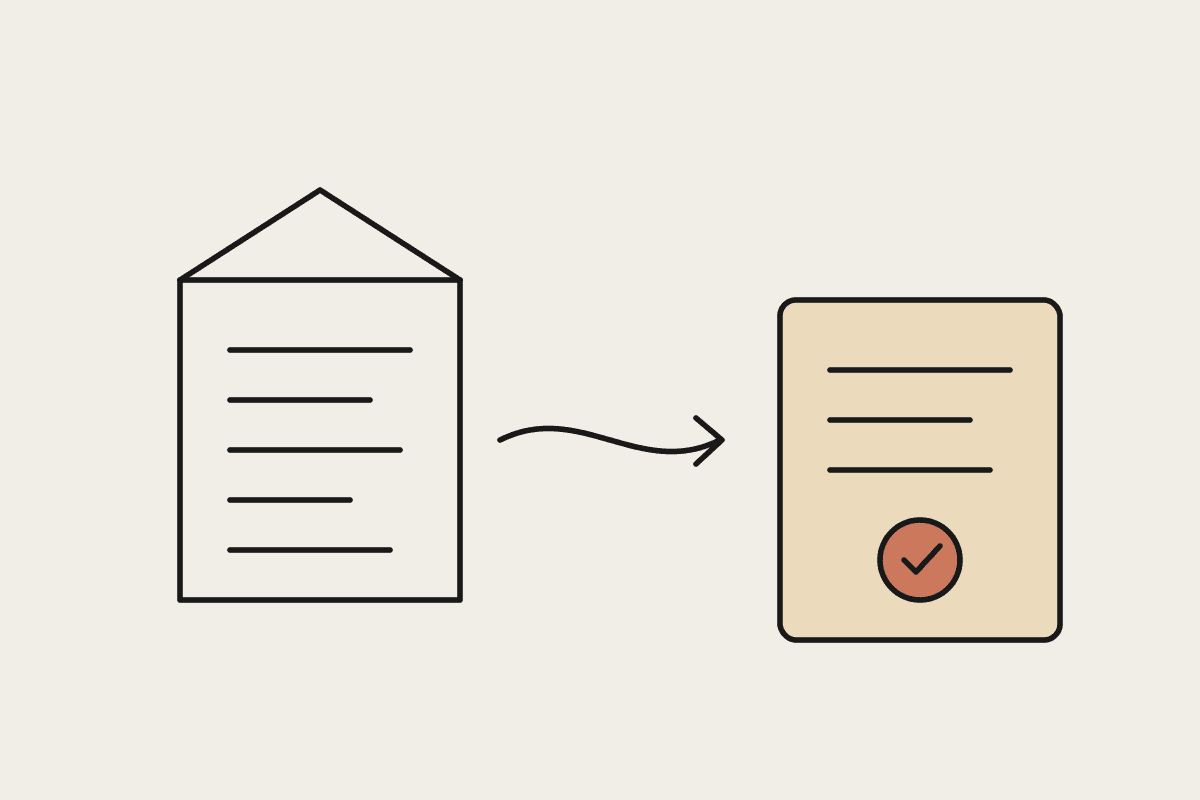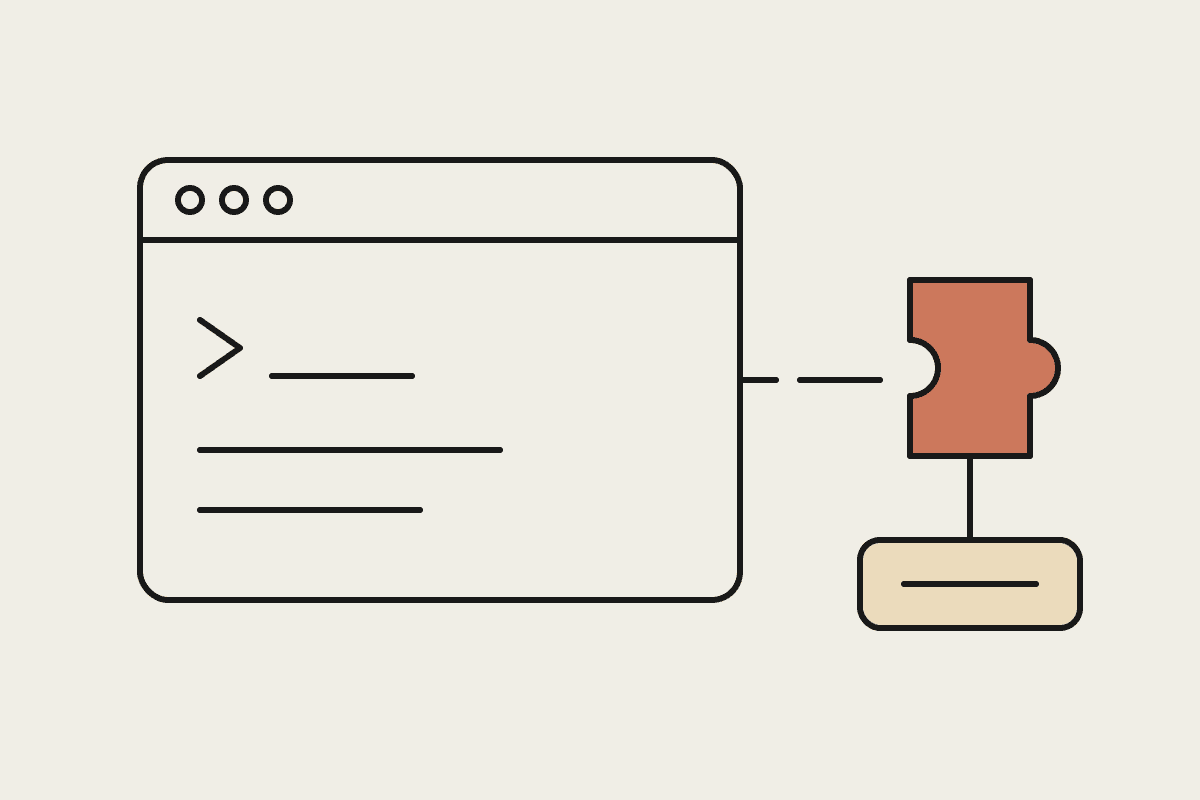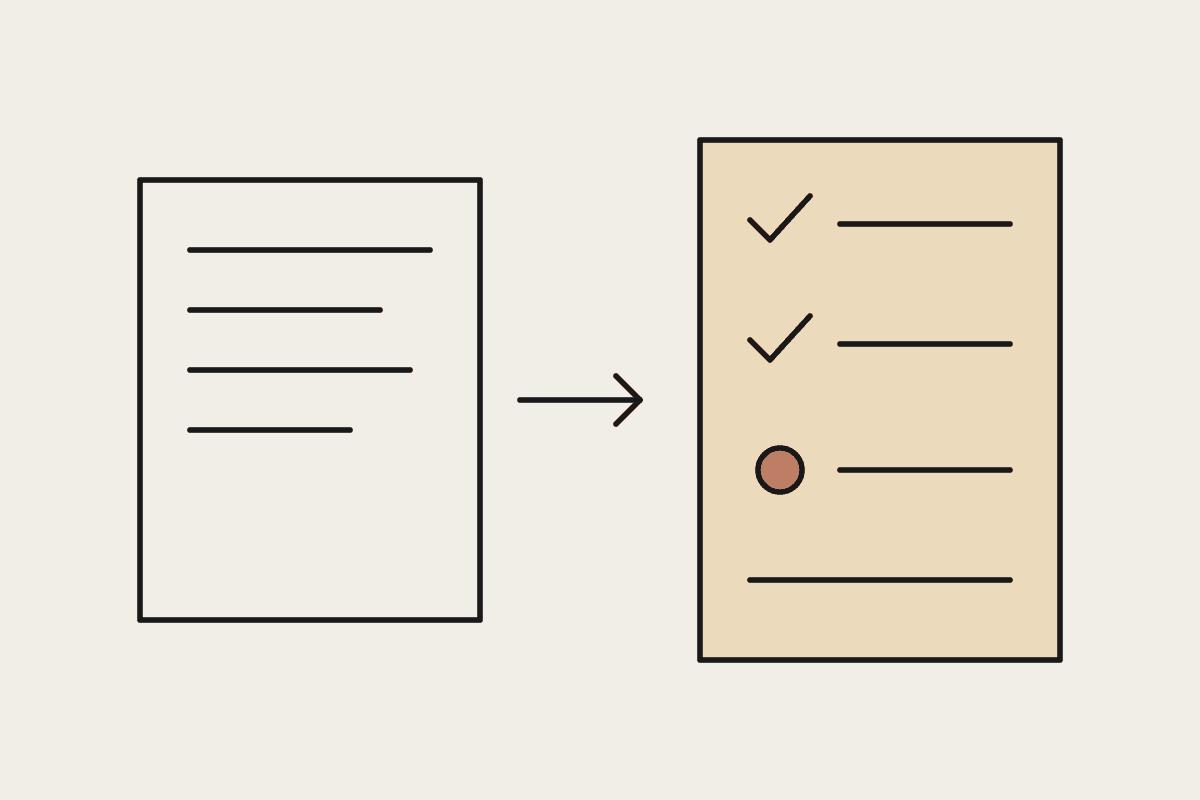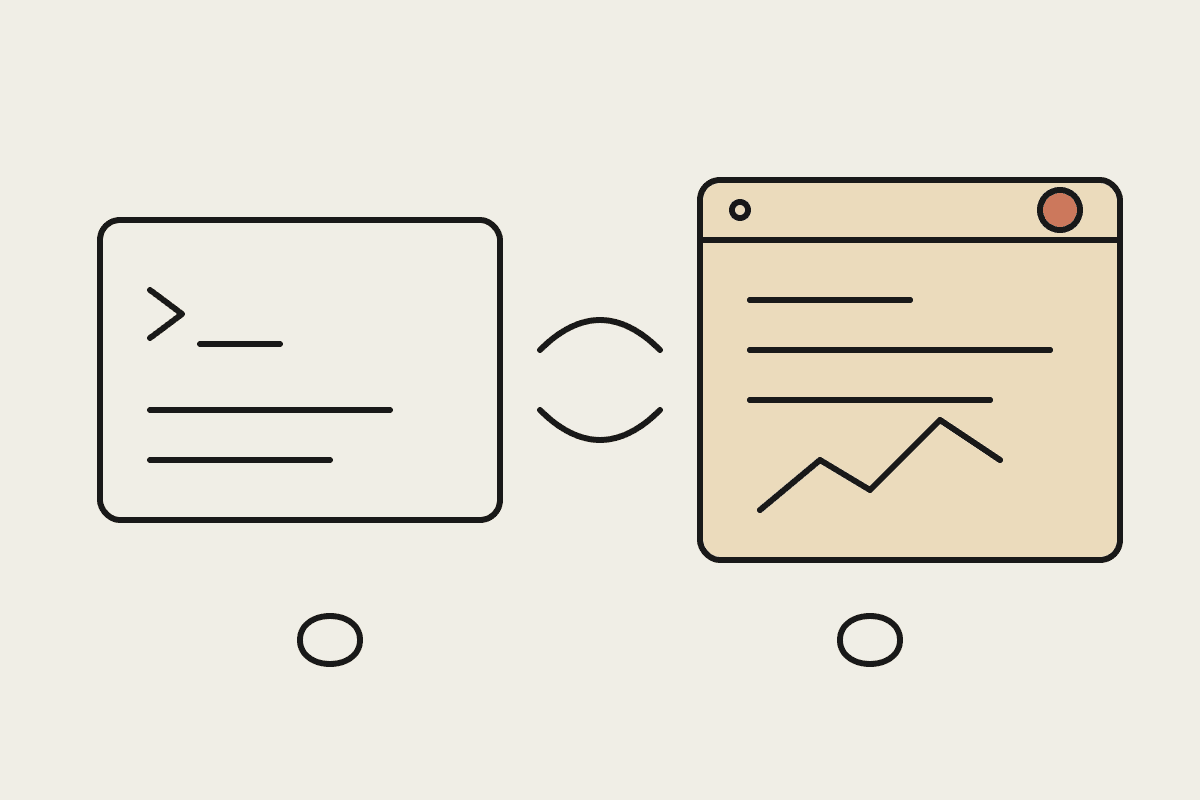
Anyone who has worked alongside Claude Code knows the awkward moment at the end of a session. Claude has read the codebase, called your tools and done real work, and now you have to explain it to someone who was not there. That usually means pasting terminal output into Slack or writing a summary nobody reads properly.
Claude Code now has a direct answer to that problem. A session's work can be captured as an interactive artifact: a live web page built from the full context of the session, including your codebase, your connected tools and the conversation itself. Claude announced the feature on its blog, and it is in beta for Claude Team and Enterprise organisations.
What is a Claude Code artifact?
A Claude Code artifact is a live, shareable web page that Claude builds from the context of a working session. It can take the form of a pull request walkthrough, a dashboard or an incident page. It refreshes automatically as the underlying work changes, keeps a version history you can roll back to, and is shared with a link from the page header.
Teammates see updates as soon as they are published, which removes most of the re-explaining that happens after an engineer finishes a piece of work. Artifacts are created from the CLI or the desktop app and can be viewed in any browser, so the reader does not need Claude Code installed.
This is different from the in-session previews we described in our earlier piece on live preview pages. Those help the engineer see the work while building it. Session artifacts are about showing finished or in-progress work to other people.
Who gets the most out of it
The use cases Claude describes map neatly onto roles that already spend too long assembling status and evidence by hand:
Legal and open-source teams auditing dependencies and licences, with the findings on one page instead of scattered across tickets.
Security teams linking a finding straight to the exact line of code it relates to.
Engineers handing reviewers a proper pull request walkthrough rather than a bare diff.
SREs turning an incident into a postmortem while it is still happening.
Managers who want a running record of what shipped on a project without chasing five people for status.
The SRE case is especially useful. We wrote about using Claude Code for postmortems and runbook upkeep, and the hardest part is always assembling the timeline after the fact. An incident page that updates as the session progresses means the draft exists before the incident is closed.
The governance controls matter more than the feature
For a solo engineer, a shareable page is a convenience. For a regulated Australian business, the question is whether it can be run safely across a team. The controls Claude lists are the ones you would want to check:
| Control | What it does | What to check before rollout |
|---|---|---|
| Private by default | New artifacts are not shared until someone shares them | Who is allowed to share, and to whom |
| Visibility toggles and role scoping | Org-level control over who can see artifacts | Map roles to your existing access model |
| Admin-managed retention | Admins set how long artifacts are kept | Align with your records and privacy policies |
| Compliance API | Org-wide visibility of artifact activity | Whether your security team will actually monitor it |
| Version history | Roll back to earlier versions | Whether versions count as records you must retain |
That last row is worth thinking through. An artifact built from a session can contain code, tool output and conversation content. If that includes customer data or anything covered by the Privacy Act, the artifact is now another place that information lives. Decide in advance which sessions are appropriate to publish and which are not. The same principle applies to Cowork's shared pages, which we covered in our piece on how live artifacts use the viewer's access.
A sensible way to trial it
Because the feature is in beta, treat the first month as a controlled trial rather than a team-wide switch. A practical approach for a mid-market engineering team:
Pick one workflow, such as pull request walkthroughs for a single repository. Keep sharing inside the engineering team, agree on a retention period with whoever owns your records policy, and ask the security lead to look at the compliance API output once a week. After four weeks, check whether reviews got faster and whether anyone found something in an artifact that should not have been there.
As an illustrative example of the upside, if a team of six engineers each saves 40 minutes a week on writing status updates and review context, at a loaded cost of about AUD $110 an hour, that is around $22,000 a year of engineering time. The figures are illustrative only, but they show why a small feature can justify a structured trial.
What not to expect
An artifact shows what Claude did in a session. It does not prove the work is correct, and a polished walkthrough can make a weak change look more convincing than it is. Reviewers still need to read the code. And while the feature is in beta, expect the controls and behaviour to change, so check the current documentation before you lock in a policy.
If you want help setting up Claude Code for a team, including the governance side for a regulated business, our services cover rollout and policy, or you can get in touch to talk through your setup.