Most custom Claude connectors we see in Australian businesses live in a GitHub repo that only the person who built it knows how to attach. That works for one team. It falls apart when a second department, a subsidiary or a client wants the same thing, because nobody can find it, nobody has reviewed it, and the sign-in setup has to be repeated by hand each time.
In September 2026 Claude opened a self-serve directory submission portal for developers on paid Claude plans. It changes where a finished connector or skill bundle ends up, and it removes the most manual step in handing one to an enterprise or regulated client.
What does the Claude plugin directory portal change for builders?
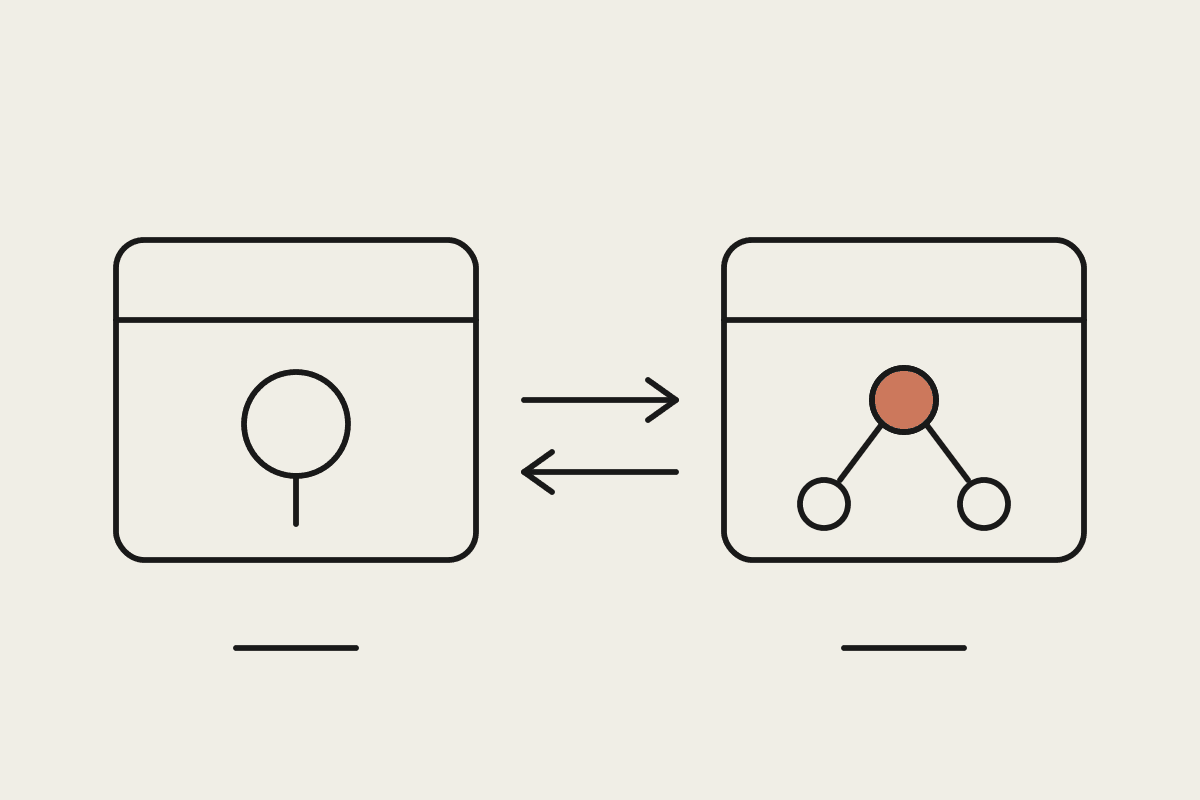
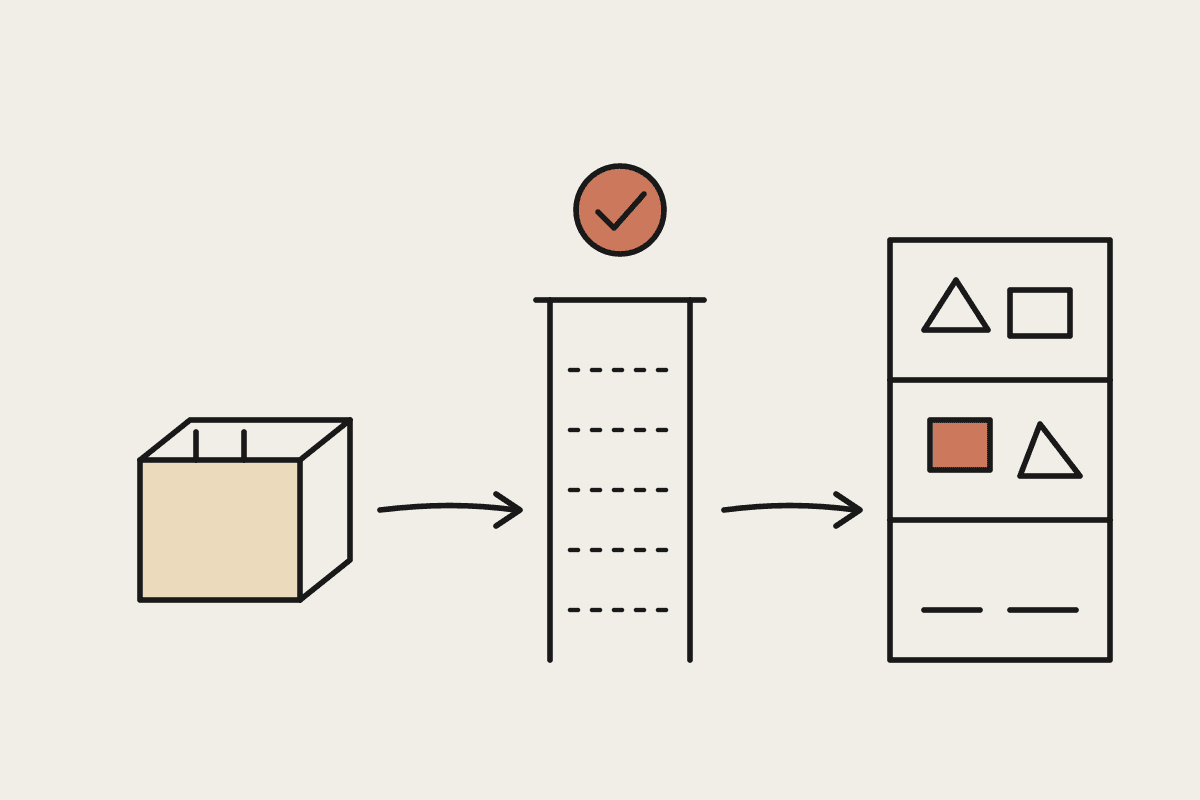
The portal lets a developer on a paid Claude plan submit a remote MCP server, or a plugin that bundles MCP servers with Agent Skills, straight into the Claude directory. Every submission is validated and safety-scanned on entry, the builder sees review status and required fixes, and once approved they choose when it goes live. After launch, usage analytics show installs by product surface and version, plus the searches that led people to the listing.
There are two submission paths, and the choice matters more than it looks:
Remote MCP server:
Plugin:
Neither:
Why Enterprise Managed Auth is the part to watch
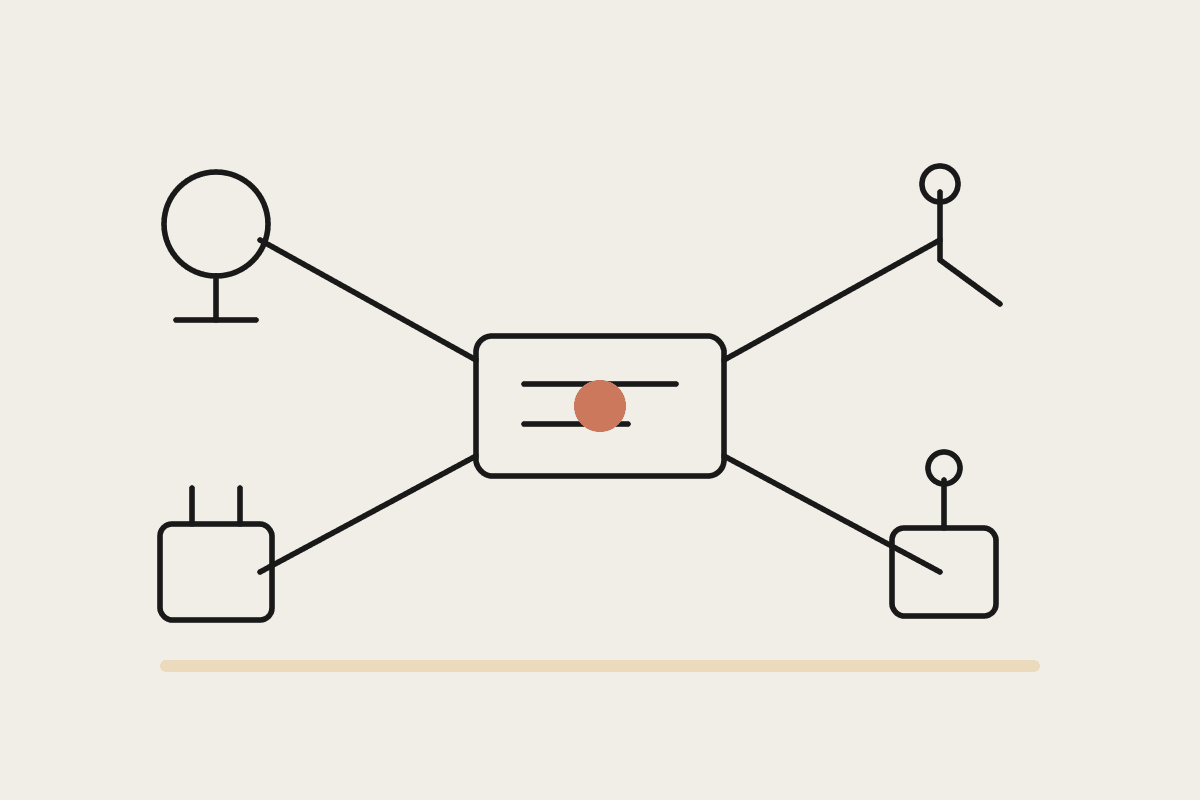
Under the hood the directory runs on MCP 2.0's stateless core plus two extensions. MCP Apps put interactive UI inside the chat. Enterprise Managed Auth gives zero-touch OAuth for enterprise users.
That second one is the quiet win. On almost every custom connector build we scope for a bank, insurer or health provider, the first blocker is not the code. It is getting OAuth configured per user, through the client's identity team, with a change ticket for each step. If a connector inherits sign-in from the enterprise instead, the rollout conversation moves from "how do 400 people each authorise this" to "which groups get it".
For APRA-regulated entities that also tidies up the CPS 234 story. A listed plugin has been scanned on entry, has a visible review history, and is installed through one controlled path rather than copied around. That is easier to put in front of a risk committee than a link to a private repo.
| Option | Discovery | Review | Sign-in setup | Best for |
|---|---|---|---|---|
| Unlisted GitHub repo | Builder has to share it | None by default | Manual OAuth per user | Prototypes, confidential logic |
| Remote MCP server listing | Claude directory search | Auto-validated and safety-scanned | Enterprise Managed Auth available | One system, many users |
| Plugin listing (MCP plus Skills) | Claude directory search | Auto-validated and safety-scanned | Enterprise Managed Auth available | A packaged workflow |
A worked example: one connector, three subsidiaries
Take an illustrative Sydney property group with three operating companies, each wanting Claude to read from the same leasing system. Built the old way, a developer spends about two days per company on access setup, testing and handover. At a blended $1,600 a day that is roughly $9,600 before anyone has used it, and every later change is repeated three times.
Listed once as a plugin with Enterprise Managed Auth, the setup cost is paid once, the identity team grants it by group, and the analytics show which company is actually installing it. In this illustrative case the saving is about $6,400 up front, and the bigger gain is that version two ships to all three at the same time. Plug your own numbers into our ROI calculator before trusting ours.
What not to conclude
A directory listing is not a security sign-off for your organisation. The safety scan checks the submission; it does not know your data classification, your Privacy Act obligations or which staff should see which records. You still own access design and the decision about what the connector is allowed to write.
It also does not make every internal tool a product. If a skill bundle encodes how one client prices work or assesses claims, publishing it to a shared directory gives that away. We covered that trade-off in publish or keep private, and the answer has not changed: list the plumbing, keep the judgement.
Finally, the usage analytics measure installs and searches, not outcomes. A plugin with 300 installs and no change in cycle time is a cost, not a win. Pair the directory numbers with one business measure you already track, such as hours per lease renewal or days to close a claim.
How to decide this quarter
If you already have a working connector, the earlier groundwork still applies. Our notes on connector observability and in-app submission cover what to instrument first, and building a Cowork plugin walks through bundling skills with connectors. Then ask three questions:
Two yeses and a "plumbing" usually means list it. If you would like a second opinion on which of your Claude builds belong in the directory, book a call with us or see how we run these projects on our services page.