Page 2 of 71
AI automation insights
Practical guides for Australian businesses navigating AI automation. No jargon, no hype — just what works.
August 2026 • 6 min read
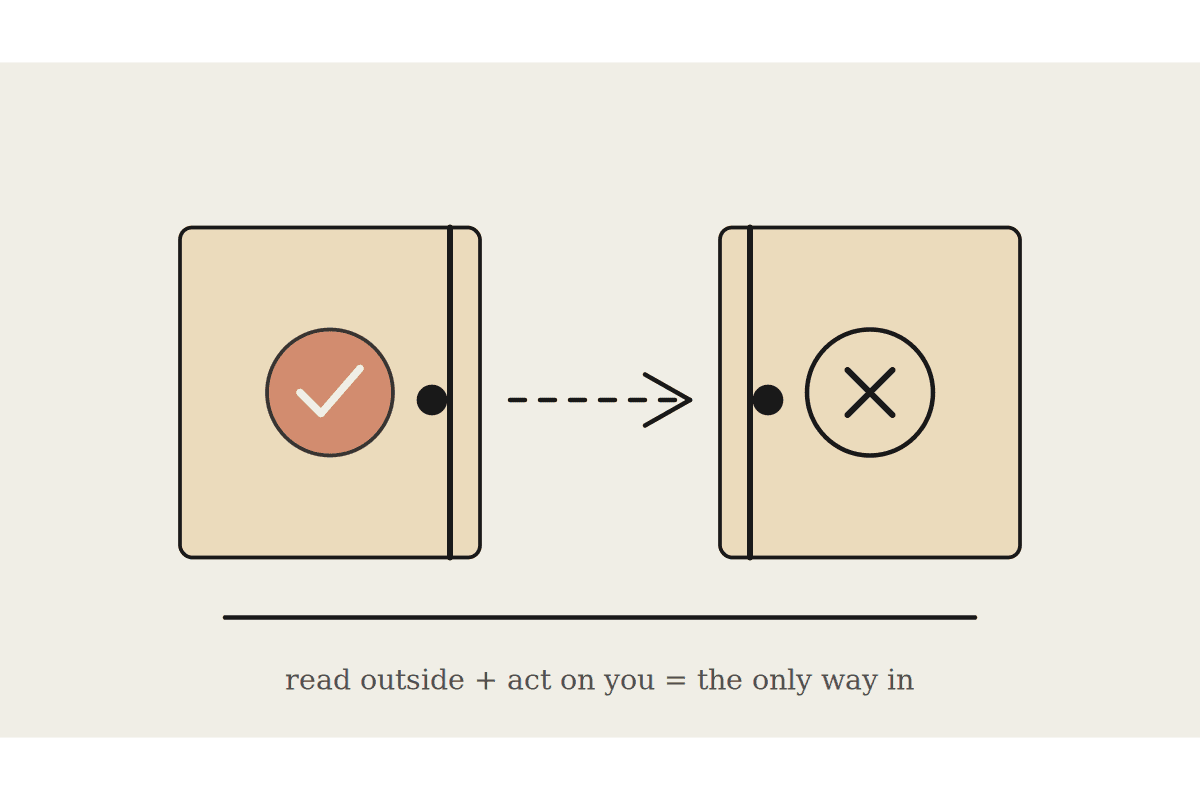
Prompt Injection Needs Two Doors Open: The Cowork Safety Model in Plain English
Most prompt injection explainers describe the attack and stop. Anthropic's Cowork safety documentation says something more useful: an attack needs two conditions true at once. Close either one and it has nowhere to go.
August 2026 • 6 min read
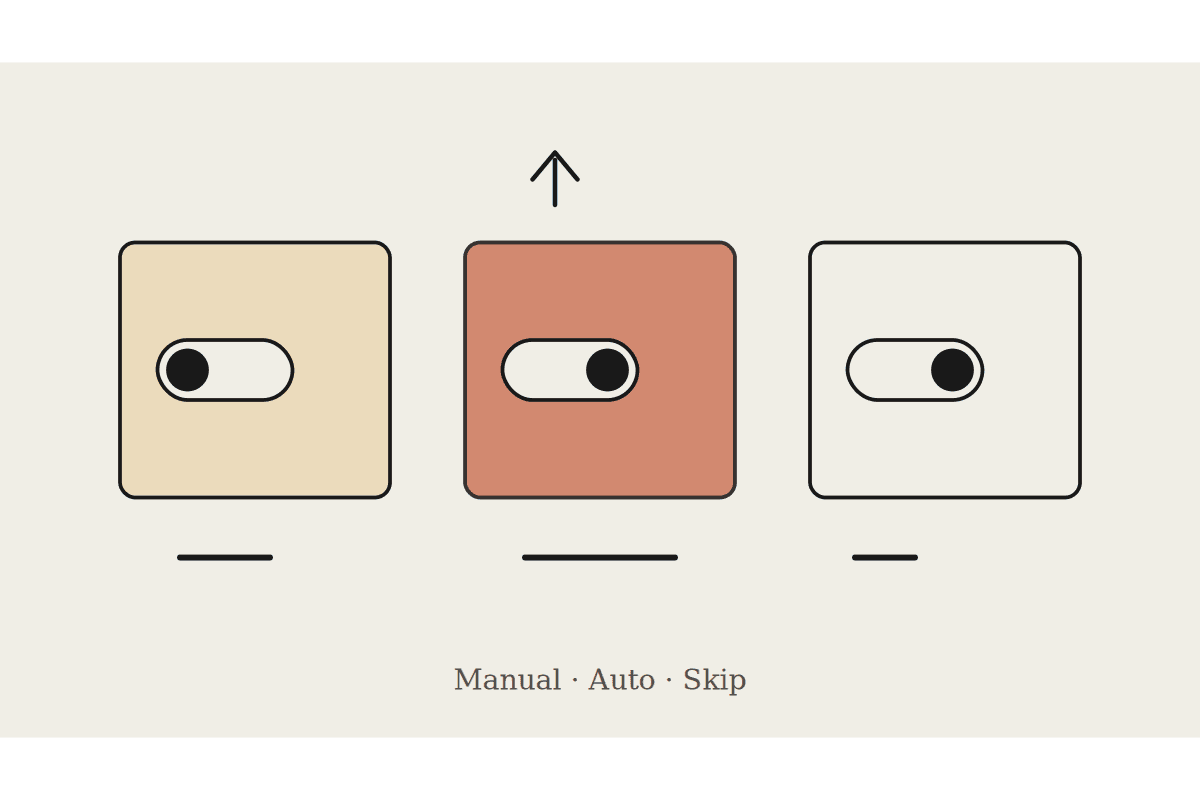
Claude Cowork Auto Mode Costs More Usage: Choosing a Permission Mode on Purpose
Cowork's three permission modes are usually set once and forgotten. Auto mode consumes more of your usage limit than the other two, which makes the choice a budget decision as well as a safety one.
August 2026 • 6 min read
GLM-5.2 Refused Zero Offensive Cyber Requests in Testing: The Due-Diligence Checklist Every Open-Weight Deployment Needs
GLM-5.2 has been covered as a benchmark story. The part getting less attention is what safety researchers found: it refused none of the offensive cyber prompts they tried.
August 2026 • 6 min read
The EU's New Documentation Rule for Open Models Just Started. Here Is the Paper Trail an Australian Business Should Keep Anyway
Article 52 is a European rule with an Australian shadow. The documentation gap it is trying to close already exists in most Australian AI deployments, and it is cheap to fix now.
August 2026 • 6 min read
Open Source AI for Australian Critical Infrastructure Operators: What the SOCI Act Adds to Your Vendor Checklist
A self-hosted model on your own infrastructure sits squarely inside SOCI Act scope in a way a managed service usually does not. That changes how the pilot has to be scoped.
August 2026 • 6 min read
Nvidia's Nemotron 3.5 Lightning Is Built for Agent Loops, Not Chat: What That Means for Your Automation Stack
Nemotron 3.5 Lightning is not trying to win a chatbot benchmark. It is built for tool calls, and that distinction matters more for automation than leaderboard position does.
August 2026 • 6 min read
Your Next RFP Should Say 'Open Weight,' Not 'Open Source': A New G7 Standard Just Made the Distinction Official
A tender that asks for an open source model is asking a question most AI vendors cannot honestly answer yes to. The word you actually want is open weight, and it changes what comes back.
August 2026 • 6 min read
Five Questions to Ask Before an Open-Weight AI Vendor Pitch Replaces Any Part of Your Claude Stack
Open-weight vendor pitches have converged on the same shape: a benchmark chart, a cost comparison and a claim that switching is easy. Here are the five questions that decide whether it is true.
August 2026 • 6 min read
Open Source AI for Australian Mining and Resources: Why On-Device Models Suit Remote Sites
On a remote Pilbara site the argument for running a model on your own hardware is not about cost or ideology. It is about physics, and that changes which model you should pick.

August 2026 • 6 min read
Open Source AI for Australian Aged Care and Allied Health Providers: Where Privacy Rules Narrow Your Options
In aged care and allied health the data is the risk, not the model. That does not rule out open-weight models, but it changes how the decision has to be made.
August 2026 • 6 min read
Meta Says It Will Open-Weight Its Most Advanced Model Yet: Why 'Frontier' and 'Open' Have Never Combined Like This Before
Every major open-weight release so far has been strong but not a lab's single best effort. Meta says Muse Spark 1.2 will be. That changes a planning assumption, not a decision you should make today.
August 2026 • 6 min read
The Hybrid Bet: Why More Australian Businesses Are Running Claude and an Open-Weight Model Side by Side
The open-weight versus managed debate is usually framed as one decision for the whole business. The businesses actually getting value from it are not choosing at all.
August 2026 • 6 min read
Andrew Ng's AI Engineering Skills Map: What It Means for AU Businesses Building With Claude
Ng splits AI engineering into six areas, and most of them are not prompt writing. For an Australian business moving a Claude pilot into production, the evaluation habit is the one that decides the outcome.
August 2026 • 6 min read
Qwen3.8 Max Tops the August Leaderboard: What a 79-Point Open-Weight Score Should (and Shouldn't) Change in Your AI Stack
Qwen3.8 Max leads the open-weight leaderboard on a composite score of 79. For an Australian business evaluating its stack, that headline number is the least useful part of the story.
August 2026 • 6 min read
Open Source AI for Australian Manufacturers: Where It Earns Its Keep on the Factory Floor
On-site data, patchy connectivity and repetitive workloads make manufacturing a genuine fit for open-weight models. The fit is real and narrower than the vendor pitch suggests.
August 2026 • 6 min read
DeepSeek V4-Pro Moves to General Availability: What Changes Once an Open Model Leaves Preview
The benchmark did not move when DeepSeek V4-Pro hit GA. What moved was rate limits, notice periods and support commitments, which is the part that affects a production workload.
August 2026 • 6 min read
Open Source AI for Australian Retail and Hospitality: Rosters, Stock and Guest Messages
Thin margins and high message volume make retail and hospitality a real test of whether an open model can do the job cheaper. The answer depends entirely on which job.
August 2026 • 6 min read
We Read the Licences on 30 'Open' AI Models. Here Is What an Australian Business Actually Gets
A mid-August licence census across 30 models described as open found the word means at least three different things. Roughly a third were not what the marketing implied.
August 2026 • 6 min read
Meta's Muse Glimmer 30B Is Genuinely Apache 2.0: Why the Licence Line Matters More Than the Model Card
Meta shipped a 30B multimodal model under clean Apache 2.0, with no user cap and no field-of-use restriction. In 2026 that is the actual news, not the parameter count.

August 2026 • 6 min read
GLM-5.2 Turbo Arrives: Why a Faster, Cheaper Open Model Still Doesn't Move Our Claude-First Default
Z.AI's GLM-5.2 Turbo is faster and cheaper than the base model, and the base model is genuinely good. Here is why it still does not change what we recommend for production work in Australia.
August 2026 • 6 min read
The Line Item Self-Hosting Calculators Miss: DevOps Labour, Costed for an Australian Team
Most self-hosting cost comparisons stop at hardware and power. The largest recurring number is the engineer who maintains it, and here is what that actually costs in Sydney or Melbourne.

August 2026 • 6 min read
Kimi K3's $20 Million Fine Print: Reading Open-Weight Licences Before You Build a Product On Them
Kimi K3 ships under an MIT-like licence with a revenue gate attached. If you are building a product on an open-weight model, the licence deserves a read before the engineering starts.
August 2026 • 7 min read
The 27B Dense Class Keeps Growing: What Qwen3.8-27B Costs to Run Against a Claude API Bill
A 27-billion-parameter dense model is small enough to self-host on one GPU and capable enough to be useful. Here is what it actually costs an Australian business, against the managed API alternative.
August 2026 • 6 min read
Claude vs ChatGPT's New Apple Messages Plugin: What to Weigh Before an AI Agent Reads Your Texts
OpenAI's new Apple Messages plugin lets ChatGPT read and send your texts. For personal use that is a personal call. For an Australian business it needs a policy before anyone enables it.
Get AI automation insights in your inbox
One short email per month. What's working in Australian AI automation. Unsubscribe anytime.